TACLOBAN CITY – In response to the detection of African swine fever (ASF) cases, the city government of Borongan in Eastern Samar has declared a 15-day pork holiday from April 4 to April 18 to prevent the further spread of the virus.
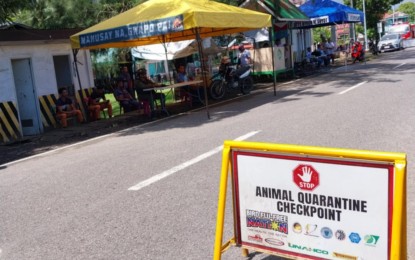
The move comes after three samples from a pig farm operated by the Eastern Samar State University in Barangay Maypangdan tested positive for ASF. In an executive order issued by Borongan City Mayor Jose Ivan Dayan Agda, the local government suspended the sale and slaughter of pigs and pork products across the city. Checkpoints have been activated at the northern and southern city borders to monitor and control the movement of pork and livestock.
Mayor Agda clarified that while the slaughter of pigs for personal consumption is allowed, commercial slaughtering is strictly prohibited during the pork holiday. He also announced that public markets, supermarkets, village meat stalls, meat shops, and lechon (roasted pig) vendors are barred from selling fresh and roasted pork. Additionally, the sale and distribution of pork-based products such as raw and cooked longganisa and chorizo are suspended.
However, the distribution of frozen pork may continue provided that the seller can present a Certificate of Meat Inspection proving that the meat originated from an ASF-free area, as certified by the city veterinary office.
All pig farms have been instructed to conduct and complete extensive disinfection during the pork holiday to minimize the risk of further contamination. The transport or movement of live pigs from one village to another is also strictly prohibited.
Meat and livestock inspectors, supported by law enforcement agencies, have been tasked with intensifying post-abattoir inspection activities. Local authorities will confiscate unauthorized pork products and may revoke the business permits of violators, who will also be fined under the provisions of the Meat Inspection Code of the Philippines.
The city government urged the public to cooperate fully with the temporary measures to safeguard the local hog industry and public health.