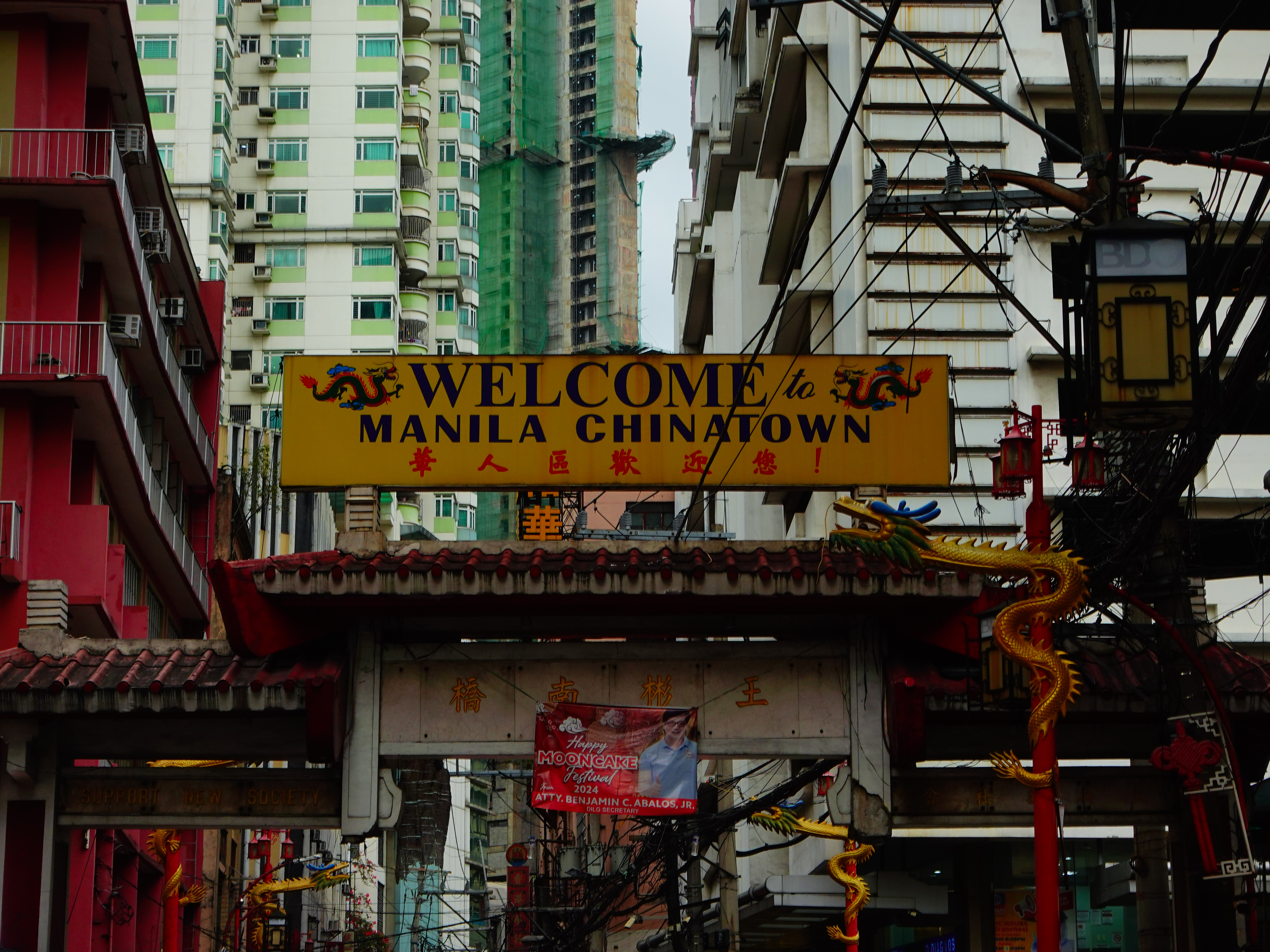

(Photo courtesy: Xyruz Barcelona)
Recognized as the world’s oldest Chinatown, Binondo in Manila is far more than just a popular weekend destination for couples, barkadas, and families—it’s a beating heart of culture, history and flavor that has pulsed with life since 1594.
Founded by Spanish Governor-General Luis Pérez Dasmariñas as a permanent settlement for Chinese-Catholic immigrants, Binondo was envisioned as a bridge between worlds. In this melting pot, Spanish colonial interests and Chinese enterprise could coexist. Centuries later, it has blossomed into a vibrant enclave that has helped shape the identity of the Chinese-Filipino community, also known as Chinoys, and the broader narrative of Manila’s evolution.
Today, Binondo is alive with energy—a place where the past and present collide in every alleyway and every steaming bowl of noodles. Red lanterns swing above the streets, Chinese zodiac signs adorn temples and street corners, and the aroma of sesame oil and five-spice powder wafts through the air. Time seems to bend here: colonial architecture sits alongside neon-lit signages; centuries-old temples neighbor modern cafes; and heritage shops share space with trendy milk tea stalls.
Food, of course, is the soul of Binondo. Widely hailed as a culinary treasure trove, it offers an unforgettable gastronomic adventure. From hole-in-the-wall joints to legacy restaurants, every meal here tells a story. Bite into the handmade kuchay dumplings at Dong Bei Dumplings and taste the delicate balance of tradition and technique. Order a serving of the iconic fresh lumpia at New Po Heng Lumpia House and savor the medley of textures that has delighted generations. Don’t miss the golden pork asado buns from Eng Bee Tin or the silky peanut soup at Masuki.
But Binondo is not just about what you eat—it’s also about what you discover. Tucked along the busy streets of Ongpin, Escolta, and Tomas Pinpin are old-school herbal pharmacies, gold shops, incense-scented temples and specialty groceries like Shopper’s Mart, where shelves overflow with imported Chinese goods and rare finds you won’t see in your average supermarket.
In this age of Instagram and TikTok, Binondo has become a backdrop for content creators, food vloggers, and urban explorers. Every street corner, every dish, every hidden gem becomes a story waiting to be told. Yet beyond the viral moments, Binondo holds something deeper—memories passed down through families, generations of shopkeepers behind counters, and the quiet pride of a community that continues to thrive.
Whether you’re a first-time visitor tracing history, a food lover chasing the next bite, a worker passing through, or a resident who calls these streets home, Binondo welcomes you with open arms and a full table.
In the end, Binondo isn’t just a place—it’s a living, breathing celebration of culture, resilience, and the beautiful fusion of Filipino and Chinese heritage. And it’s always ready for its next chapter.