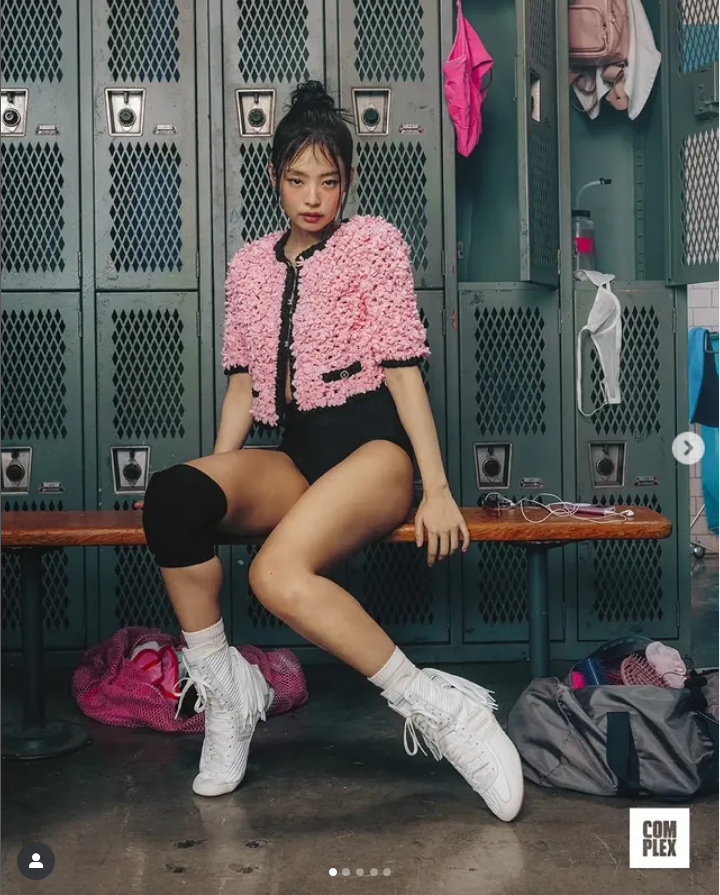

A seemingly harmless Billboard segment has stirred up major controversy after a clip referencing BLACKPINK’s Jennie was featured in a viral discussion about pop culture moments — reigniting debates over media ethics, fan behavior, and the toxic side of stan culture.
In the video, a host asked passersby to comment on viral clips from popular female artists. One of those clips showed BLACKPINK’s Jennie adjusting her mic mid-performance — a moment previously mischaracterized online as “lazy dancing.” An interviewee remarked that Jennie had “always been like that… maybe it’s just her face, her emotions, her attitude” — comments that ignited immediate backlash from BLACKPINK’s fiercely devoted fanbase, known as BLINKs.
From commentary to controversy
What Billboard likely intended as a lighthearted social segment quickly spiraled into an online firestorm. BLINKs criticized the publication for resurfacing a clip already steeped in online controversy and for failing to provide proper context, accusing the platform of “feeding into misogynistic and lazy stereotypes.”
The outrage was intensified by what many called “double standards” — pointing out how Billboard had previously celebrated Jennie, honoring her with the Global Force Award at the 2024 Women in Music ceremony and consistently featuring her in glowing coverage.
“One moment they’re putting her on a pedestal, the next they’re platforming outdated and baseless hate,” one fan tweeted, encapsulating a widespread sentiment.

Host becomes a target
The situation escalated further when internet sleuths identified the host of the segment and bombarded her personal accounts with hate messages — some crossing the line into harassment, including death threats and doxxing. In a statement, the host clarified that she had no prior knowledge of the artists mentioned, was hired solely for the day, and had no control over which clips were included or how they were edited.
Her explanation did little to temper the online outrage. Some fans even turned against the interviewee who made the controversial remark, engaging in body-shaming — triggering an entirely different backlash about the ethics of fan-led attacks.
Silence from Billboard
Though Billboard quietly removed the video from its official channels, the publication has yet to issue any public statement or apology. For many fans, that silence speaks volumes.
Critics are now calling on major media platforms to take more responsibility for how they handle pop culture commentary — especially when dealing with artists who are often the targets of online hate campaigns.
The dark side of devotion
This incident has once again spotlighted the intensity — and at times volatility — of K-pop fandoms. While the passion and loyalty of fans like BLINKs are often seen as admirable, the episode has sparked broader conversations around the dangers of online mob behavior.
Media analysts and fans alike are questioning the blurry lines between protective fandom and digital harassment. Who should be held accountable — the media outlet that revived a tired narrative? The fans who took things too far? Or both?
As the digital age continues to evolve, one thing remains clear: the intersection of pop culture, media responsibility, and fan behavior has never been more complex.