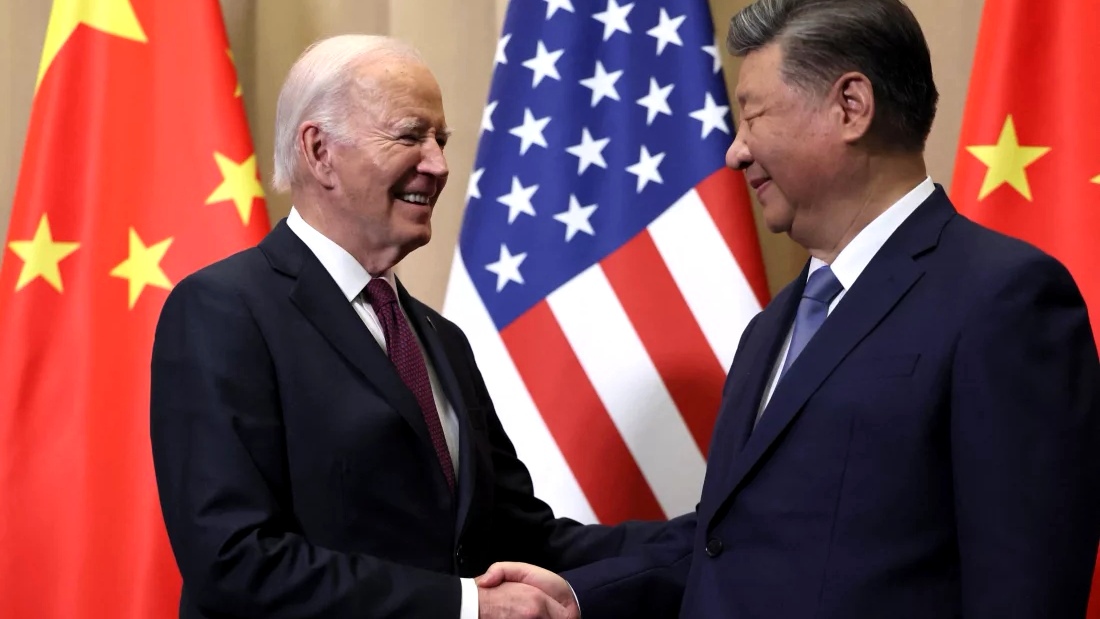
President Joe Biden called the U.S.-China relationship the world’s most important, highlighting the shared responsibility of both nations to prevent competition from escalating into conflict.
In a meeting with Chinese President Xi Jinping on the sidelines of the 31st APEC Economic Leaders’ Meeting in Lima, Peru, on November 16, Biden reiterated the need to maintain a strategic communication channel to responsibly manage U.S.-China relations.
Over the past four years, the two countries have rebuilt communication channels and made progress in areas such as military relations, artificial intelligence, and climate change. Since last year’s San Francisco meeting, they have supported each other’s bids to host the APEC and G20 summits in 2026.
Biden emphasized that the U.S. does not seek a new Cold War, nor does it aim to change China’s political system or support Taiwan’s independence. He reaffirmed U.S. commitment to the one-China policy and emphasized the importance of dialogue to manage differences responsibly.
The two leaders also discussed key regional and global challenges. Biden condemned North Korea’s deployment of troops to Russia, calling it a dangerous escalation of Russia’s unlawful war in Ukraine with serious implications for European and Indo-Pacific security. He also expressed concern about China’s continued support for Russia’s defense industry and reaffirmed the U.S. commitment to upholding international law, particularly regarding freedom of navigation and peace in the South and East China Seas.
Biden further voiced concerns about China’s trade practices, stressing that the U.S. will take necessary actions to protect national security while minimizing disruption to trade and investment. He also raised concerns about Chinese cyberattacks on critical infrastructure, which pose significant risks to U.S. security, and underscored the importance of human rights, urging all nations to honor their commitments.
Both leaders agreed on the importance of responsibly managing the competitive aspects of their relationship, preventing conflict, and maintaining open communication. They emphasized cooperation on shared interests, upholding the UN Charter, and fostering mutual respect among nations for peaceful coexistence.
The two leaders also stressed the need to sustain a strategic communication channel and continue using diplomatic, military, law enforcement, commercial, and financial avenues to manage the relationship.