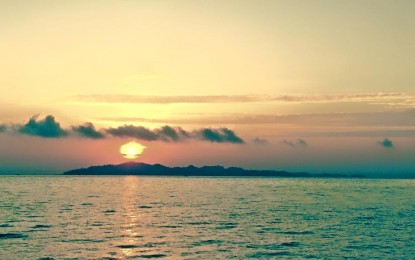
The Bureau of Fisheries and Aquatic Resources (BFAR) has confirmed the presence of toxic red tide in the coastal waters of Zumarraga, Samar, prompting authorities to impose a shellfish ban in the area.
In its latest national laboratory tests, BFAR said that both shellfish meat and seawater samples from Zumarraga tested positive for red tide toxins. This means gathering, selling, and eating all types of shellfish—including small shrimps or alamang—are strictly prohibited.
Zumarraga’s coastal waters are now among four areas nationwide included in the agency’s national shellfish bulletin. In Eastern Visayas, Matarinao Bay in Eastern Samar, Cancabato Bay in Tacloban City, and Irong-Irong Bay in Catbalogan City are also under red tide advisory after toxins were detected in water and shellfish samples.
Fish, squid, shrimp, and crabs from the affected bays remain safe for human consumption provided they are fresh, thoroughly cleaned, and cooked properly after removing internal organs such as gills and intestines, BFAR clarified.
“To safeguard human lives, we are issuing this warning as precautionary advice to the public to refrain from gathering, selling, and eating all types of shellfish and Acetes sp. (alamang) from these bays,” BFAR said in its advisory, noting the risk of paralytic shellfish poisoning, which can be fatal.
The other two areas under the nationwide shellfish ban are Dumanquilas Bay in Zamboanga del Sur and the coastal waters of Tungawan in Zamboanga Sibugay.
According to BFAR, the recurrence of red tide is triggered by the presence of cysts in the region’s bays, with frequent rains washing organic-rich sediments into seawaters, creating favorable conditions for the toxic bloom.