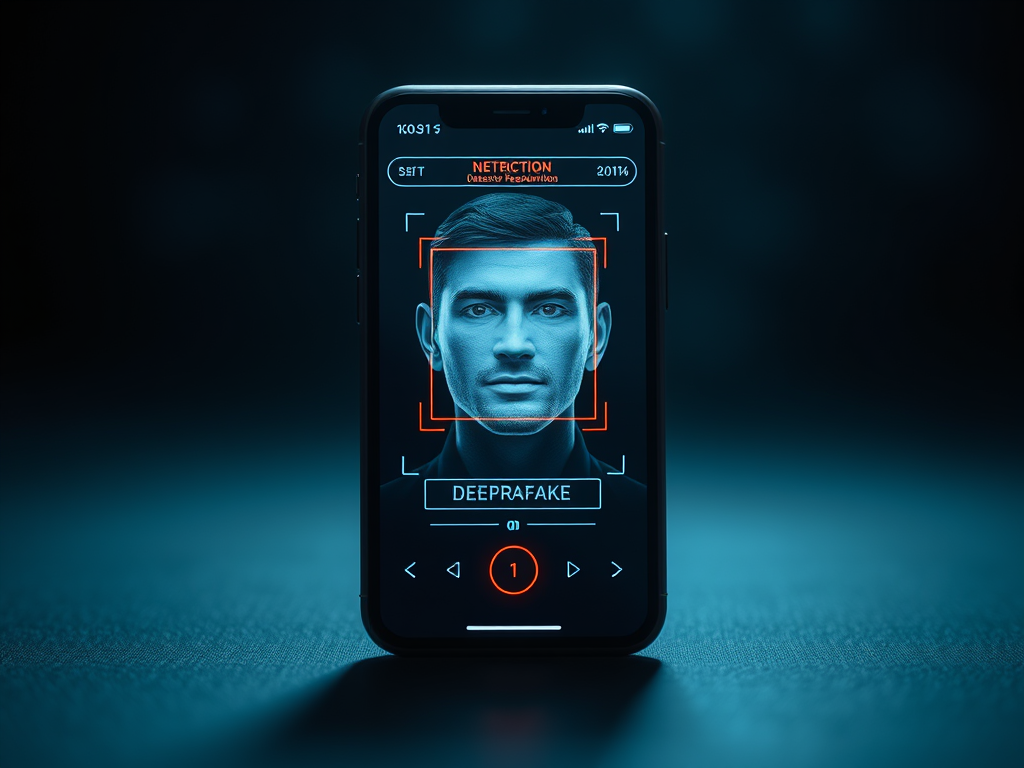
Appdome announced the expansion of its Account Takeover Protection suite with 30 new dynamic deepfake detection plugins designed for Android and iOS applications.
These cutting-edge plugins safeguard the integrity of Apple Face ID, Google Face Recognition, and other third-party biometric services by neutralizing AI-generated deepfakes and similar fraudulent attacks—without additional coding, SDK integration, or server deployment.
“As the mobile economy increasingly relies on facial recognition and biometric authentication to streamline user experiences and ensure security, the sophistication of deepfake attacks is rising at an alarming pace,” explained Eric Newcomer, CTO and principal analyst at Intellyx.
“Appdome’s solution directly confronts AI-generated deepfake threats, offering mobile businesses precise detection and control measures that prevent malicious data from infiltrating broader systems. This innovation is a critical tool in combating account takeovers and on-device fraud swiftly and effectively.”
With facial recognition at the heart of authentication, Know Your Customer (KYC) processes, and anti-fraud measures, mobile brands depend on these technologies to assure users that only authorized individuals can access their apps and services.
Yet, over the past nine months, the emergence of hyper-realistic deepfakes—ranging from manipulated images and videos to sophisticated voice cloning—has dramatically increased the risk landscape. Techniques such as virtual camera injections and real-time image buffer attacks now challenge even the most advanced biometric systems.
A proactive response to evolving threats
“From mobile app developers to enterprises and biometric technology providers, detecting AI-generated deepfakes and sophisticated Face ID bypass techniques has become a universal challenge,” stated Tom Tovar, CEO of Appdome. “While we can’t stop the production of deepfakes, our technology prevents their exploitation within mobile applications. Our new defenses are now available to developers and face recognition vendors, marking a significant step forward in mobile security.”
Appdome’s deepfake detection plugins are engineered to work seamlessly with native and third-party Face ID, facial, and voice recognition systems. Key protections include:
- Face ID Bypass Detection: Identifies attempts to circumvent native biometric authentication systems on Android and iOS devices.
- Deepfake App Identification: Recognizes spoofing efforts from deepfake or face-swap applications, even when combined with virtual camera or video injection tools.
- Deepfake Video Analysis: Monitors for synthetic identity attacks, frame manipulation, image buffer disruptions, and DMA exploits.
- Liveness Verification: This method employs advanced AI models to assess 3D depth, skin texture, lighting, and eye reflectiveness, ensuring that a real, live face is present during authentication.
- Voice Cloning Detection: This feature spots synthetic voice spoofing and cloning attempts, which is crucial for “my voice is my password” security workflows.
Each plugin leverages real-time behavioral analytics to detect deepfake attacks and their variants. As a continuously learning system, these defenses adapt to emerging threats, ensuring sustained protection against cyber attackers’ evolving tactics.
Embedding security
Chris Roeckl, chief product officer at Appdome, commented, “It’s remarkable how quickly AI-generated deepfakes have undermined traditional biometric authentication methods. Appdome is uniquely positioned as the only solution that embeds robust defense mechanisms directly into the mobile app framework—blocking both the delivery and the execution of deepfake attacks.”
In line with its commitment to no-code, SDK-free deployment, Appdome’s new plugins integrate effortlessly with its Threat-Events™ Intelligence and Control Framework and ThreatScope™ Mobile XDR service.
This comprehensive integration enables mobile brands and biometric vendors to monitor, analyze, and react to deepfake incidents in real-time, ensuring that security measures evolve in lockstep with emerging threats.