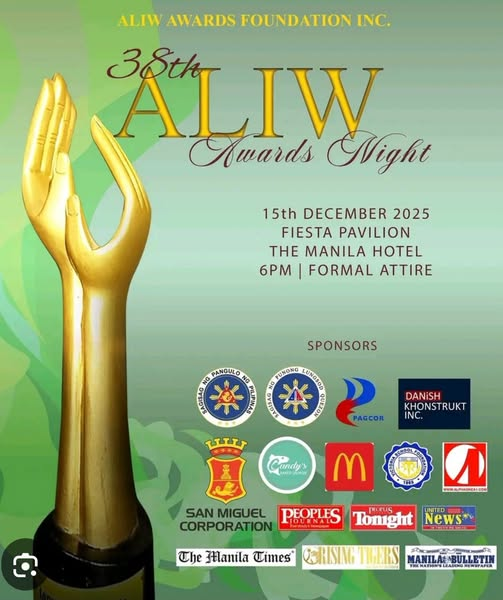

What should have been a crowning moment in Zsa Zsa Padilla’s four-decade career turned into a full-blown showbiz controversy—and the Divine Diva is not staying silent.
Fresh from her explosive Instagram post calling out the Aliw Awards Foundation, Zsa Zsa doubled down by releasing a lengthy Facebook statement that laid bare just how deeply hurt and insulted she felt over what happened on awards night. And this time, she named names, recalled every awkward detail, and made it clear: this was not just a minor oversight—it was a failure of respect.
Zsa Zsa revealed that when she first learned she was chosen as a Lifetime Achievement Award recipient, she was genuinely thrilled. With 42 years in the industry behind her, she said she didn’t even bother to prepare a written speech, planning instead to speak straight from the heart.
She had a lot she wanted to say. She wanted to thank concert producers who risked their own money, the directors and musical directors, musicians, writers, production crews, fellow artists she had worked with over the decades, and most especially the loyal audience that stood by her all these years. Members of her family were in attendance, ready to share the emotional moment with her.

Then came the moment that shattered everything.
According to Zsa Zsa, all Lifetime Achievement Award recipients were called onstage together—but only three were physically present: herself and Lani Misalucha for live performance, and Frankie Asinero for classical music. They were handed their awards and made to wait, naturally assuming they would be allowed to say a few words.
That moment never came.
Instead, a production staff member allegedly signaled for them to step down. Stunned, Zsa Zsa turned to Lani and blurted out the now-viral line: “Wala ba man lang tayong speech?!” Still, out of professionalism and respect, they quietly walked off the stage.
The irony? Zsa Zsa said the only “acceptance speech” she was able to deliver happened outside the ballroom—when a vlogger asked her what she felt about receiving a Lifetime Achievement Award.
“That became the moment I delivered the acceptance speech I was never allowed to give onstage,” she wrote.
After that, the emotions hit hard.
“I felt like crying,” Zsa Zsa admitted. “I was still dumbfounded by how the awarding was handled. To be dismissed so abruptly after supposedly being ‘honored’ was shocking and embarrassing. What was the point of being there with our families?”
She then fired a direct message at the awards body: “So, Aliw, please do better.”
But she didn’t stop there.
Zsa Zsa questioned why Lifetime Achievement Award recipients—arguably the most senior and respected artists of the night—were treated differently from everyone else. She pointed out that other awardees were given time to speak, including moments when production adjusted to accommodate late arrivals or wardrobe changes.
She cited how Jona was allowed to receive her award even while still in plain clothes, with production patiently waiting. Rachel Alejandro, who arrived late, was still able to step onstage, accept an award on behalf of a colleague, and deliver a short thank-you speech.
Meanwhile, the Lifetime Achievement honorees were rushed offstage—no speeches, no video tributes, no explanations of why they were being honored.
“What was missing was sincerity,” Zsa Zsa said bluntly.
She also suggested what could have been done better: proper video presentations explaining each recipient’s body of work, especially for artists whose contributions may not be widely known to younger audiences. She said it would have been meaningful to highlight the careers of fellow honorees like Gary Valenciano, Jed Madela, Arturo Luis Pio, and Frankie Asinero.
Instead of feeling celebrated, Zsa Zsa said she walked off that stage feeling “small.”
And that feeling ultimately led to her most dramatic move yet.
“For that reason, I am returning the award to you,” she declared.
Zsa Zsa ended her statement by saying she hoped Aliw would understand her gesture—not as an act of bitterness, but as a wake-up call.
“I hope you take it as an opportunity to learn how to honor your recipients with the respect they deserve.”
In an industry built on applause, standing ovations, and lifetime legacies, Zsa Zsa Padilla’s protest has ignited a heated conversation: when legends are honored, is it just about handing over a trophy—or about making them feel truly seen?