It’s every young Pinoy baller’s dream—hearing the announcer call out their name under the bright lights of the NBA. And according to basketball legend-turned-NBA coach Jimmy Alapag, that dream is closer than ever. But before we celebrate, Alapag offers a reality check: talent alone won’t cut it.
Alapag, a former Gilas Pilipinas captain and now a player development coach for the Sacramento Kings, knows firsthand what it takes to survive in the world’s toughest basketball league. In a recent interview on Power and Play with Noli Eala, he didn’t sugarcoat it: “It’s not just about making it to the NBA. That might be the easy part. The real challenge is staying there.”
The Kevin Quiambao lesson
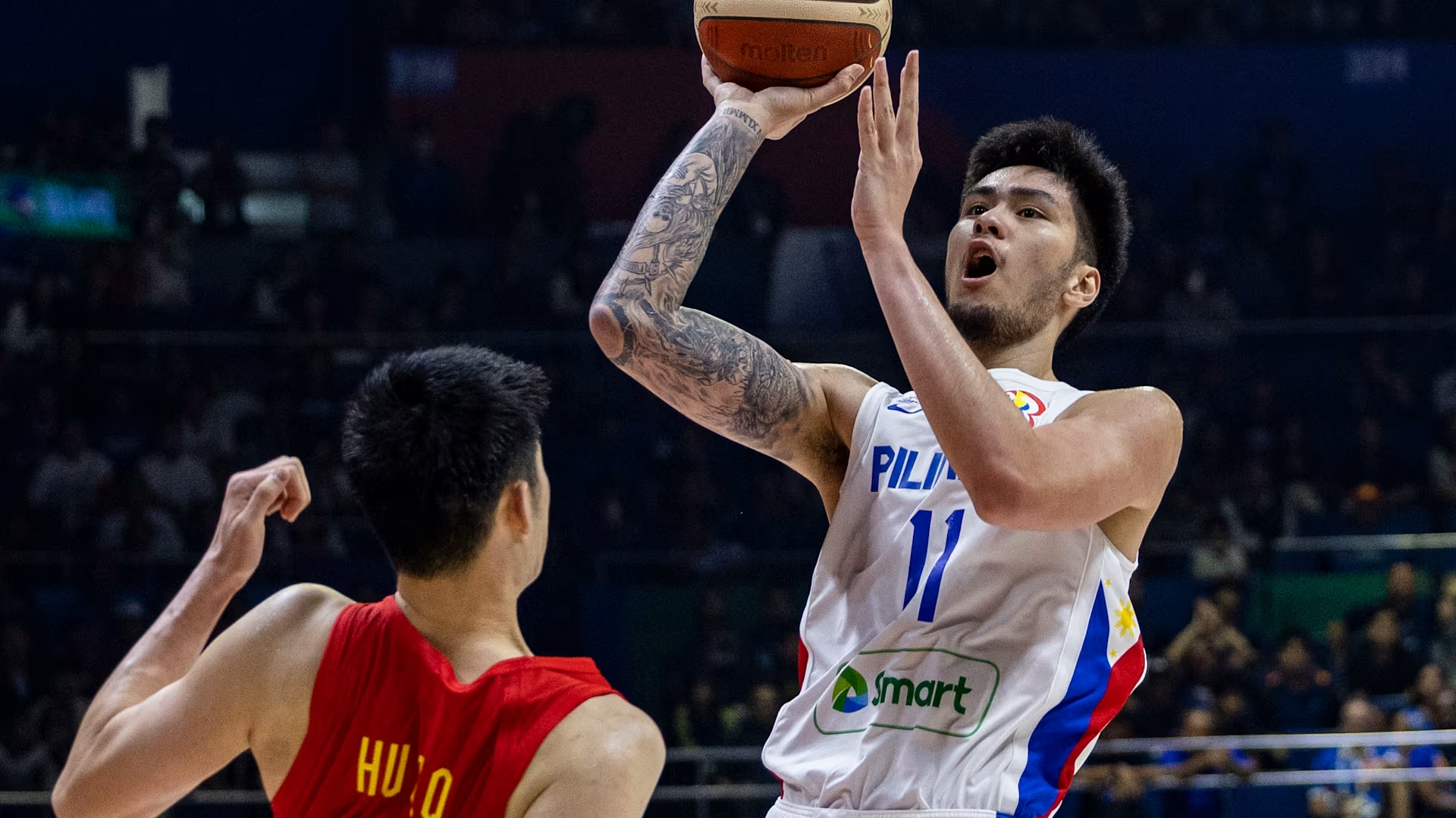
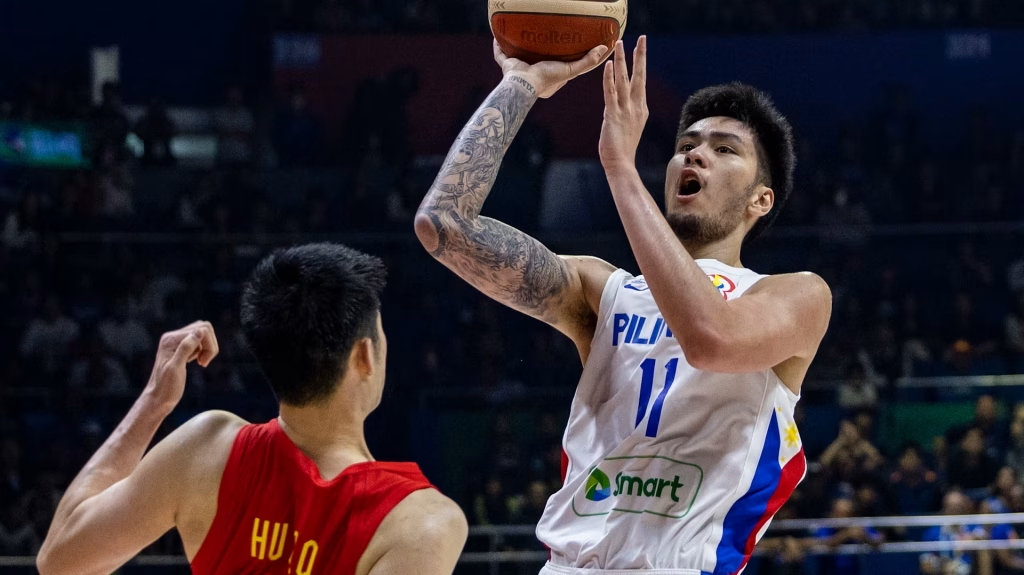
This reminder came at the heels of Kevin Quiambao’s missed opportunity with the Kings during the NBA Summer League. Once a UAAP MVP and La Salle’s brightest star, Quiambao had fans buzzing with hopes of finally seeing a homegrown Filipino suit up in an NBA jersey.
But things went south quickly. He arrived too late at the Kings’ camp, with the roster already set. Worse, there was minimal communication between his camp and Alapag’s team. Just like that, a golden opportunity turned into a cautionary tale.
“Timing and communication are everything,” Alapag said, emphasizing that being talented isn’t enough—navigating the system matters too.
Why Filipinos have what it takes (but still fall short)
The Philippines has no shortage of basketball talent. From PBA stars to overseas-based players like Ray Parks and Kiefer Ravena, the skills are there. So what’s missing?
Discipline. Consistency. Work ethic. Those are what Alapag believes separate NBA players from the rest.
“You watch our guys [in the NBA], they’re in the gym every single day. They hit the weights, meet with the physical therapists, eat right, and still put in the hours on the court. It’s a full-time job, year-round.”
He stressed that aspiring Filipino players must treat basketball like a craft to be refined—not just a game to be played. “There’s no offseason. You have to live it.”
The weight of being first
Alapag didn’t shy away from the cultural pressure that will come with this milestone. Whoever becomes the first pure Filipino in the NBA won’t just carry a ball—they’ll carry a nation’s expectations.
“There’s a heavy burden that comes with being the first,” he said. “And whoever that young man is, he’ll need to be mentally and emotionally prepared to carry that load. Not just in Summer League or training camp, but under the bright lights of the regular season.”
The first Filipino NBA player won’t just be judged by points or assists, but by how well he handles the global spotlight. The pressure to represent 100+ million hopeful fans will be immense.
So, who will it be?
While Alapag didn’t name names, his message was clear: the day is coming. The talent is here. But the challenge ahead requires more than skill—it demands obsession, structure, and maturity.
For the next generation of Filipino ballers, the message is both a warning and a call to action.
“If you really want to make it,” Alapag said, “be ready to work harder than you ever have, day in and day out. Because the NBA doesn’t wait. And the world will be watching.”
Final word:
The Philippines may breathe basketball, but to finally see a homegrown star on the NBA hardwood, it needs more than breath. It needs blood, sweat, and a different level of grind. And when that moment comes—when the first Filipino breaks through—it won’t just be a win for basketball. It will be a win for the entire nation.