
The Muntinlupa Regional Trial Court became the stage of a high-profile legal drama on August 19, as veteran comedian and television host Vic Sotto took the witness stand against filmmaker Darryl Yap in a cyber libel case that pits artistic freedom against reputational rights.
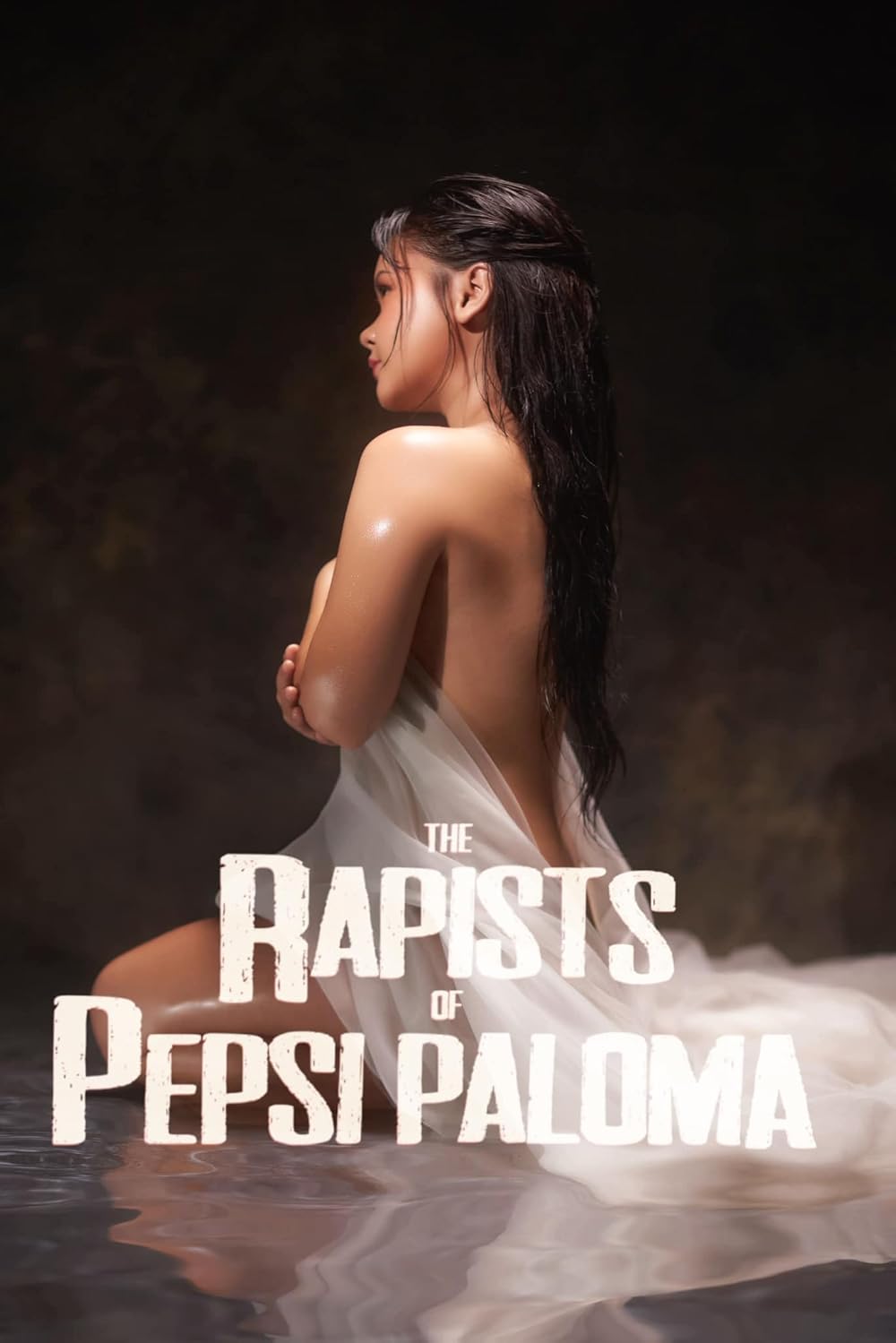
At the heart of the dispute is the teaser of Yap’s controversial film The Rapists of Pepsi Paloma. The short clip explicitly named Sotto and portrayed him as complicit in the decades-old scandal involving the late actress Pepsi Paloma—a portrayal Sotto claims is defamatory and baseless.
In his testimony, Sotto described the teaser as more than just provocative filmmaking. “It branded me as a rapist without any factual basis,” he said, stressing that the insinuation not only attacked his personal dignity but also inflicted emotional and psychological harm on his family.
The teaser in question featured actress Gina Alajar, playing Charito Solis, asking a character based on Pepsi Paloma if Sotto raped her. The actress portraying Paloma replied, “Yes.” According to Sotto, that single word carried weight far beyond fiction.
His legal counsel, Atty. Enrique Dela Cruz, underscored that while Yap argued the full film never directly accused Sotto, the teaser failed to provide context. “The director has claimed it was merely a publicity stunt, but that was not disclosed in the teaser itself. The result was the unfair vilification of my client,” he said.
The case raises complex questions on where artistic expression ends and libel begins. Yap, who pleaded not guilty, has not issued a public statement following the recent hearing. His defense leans on creative freedom, while Sotto’s side stresses that the reputational damage was real, immediate, and severe.
Beyond the courtroom, the stakes are high. Sotto testified that his family continues to receive online threats, including violent messages directed at his wife and children—an alarming consequence he directly attributes to the teaser’s insinuations.
The lawsuit, filed under Articles 353 and 355 of the Revised Penal Code in connection with the Cybercrime Prevention Act of 2012, now stands as a test case for the boundaries of free speech in the digital age. Legal experts note that the verdict could set a precedent for how Philippine courts will treat film marketing materials that blur the line between fiction and defamation.
The next hearing is set for September 9, 2025, with both camps preparing for what could be a defining moment in Philippine jurisprudence—one that may ultimately decide whether a filmmaker’s right to provoke can outweigh an individual’s right to protect his name.