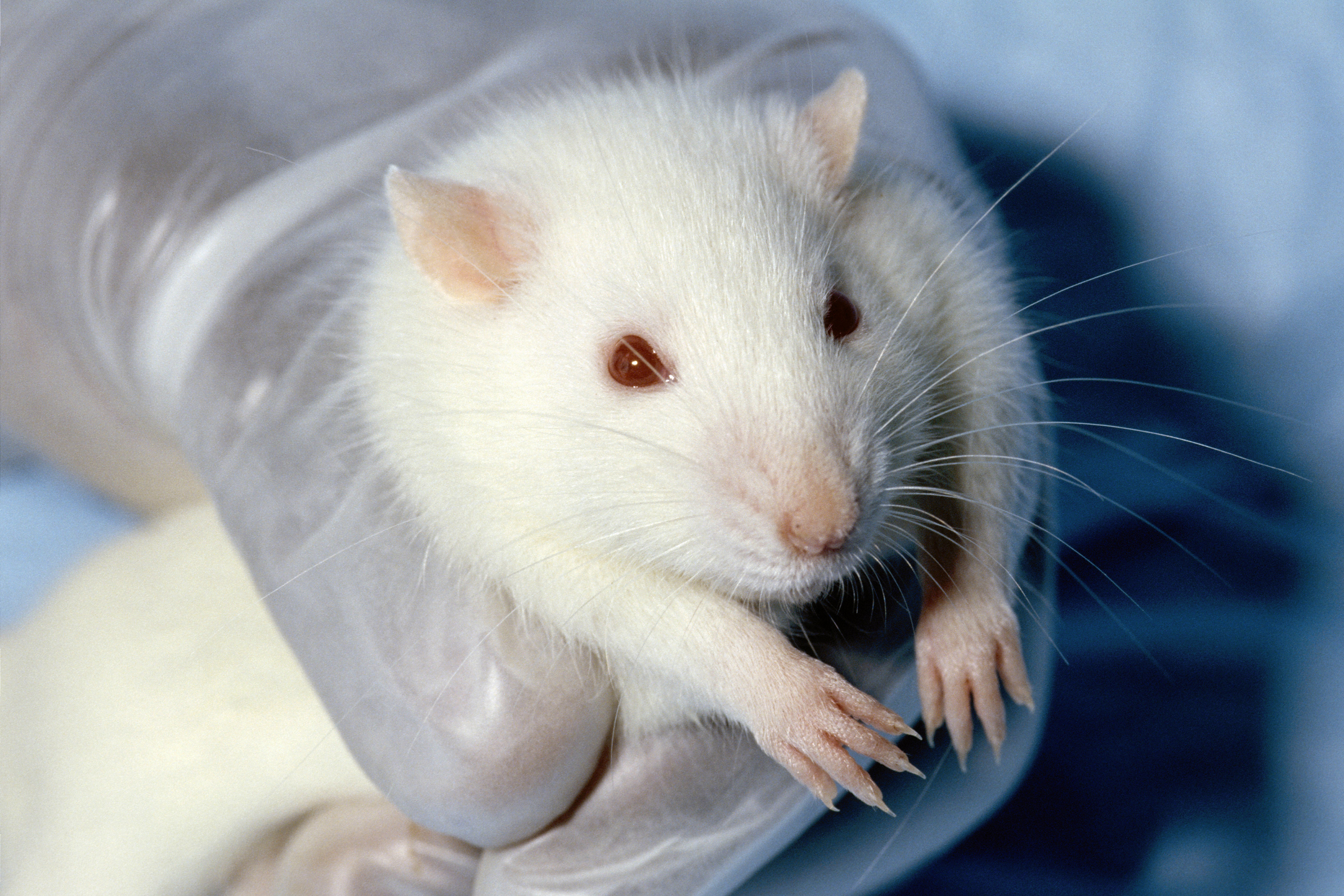
LONDON — The UK government has unveiled a 75 million pound (US$98 million) strategy to eliminate animal testing in scientific research and safety assessments, replacing it with cutting-edge alternatives.
Announced by Science Minister Patrick Vallance, the roadmap sets specific deadlines: regulatory animal testing for skin and eye irritation and skin sensitisation is to end by the close of 2026; from 2027, mouse-based tests measuring botulinum toxin (Botox) potency will be supplanted by DNA-based methods; and by 2030, the use of dogs and non-human primates in drug pharmacokinetics studies will be dramatically reduced.
The new approach will lean on innovations such as “organ-on-a-chip” systems, AI-driven safety prediction models and 3D-bioprinted human tissue analogues, which the government says can deliver more reliable data on human biology while “ensuring animal welfare.”
Animal Welfare Minister Sue Hayman commented that by leveraging Britain’s scientific excellence, the initiative would “deliver real benefits for animal welfare while advancing innovative research that improves lives.”
Oversight of the programme will fall to a newly-appointed committee chaired by Vallance, which will monitor progress via published key performance indicators (KPIs) commencing next year.
The strategy also includes training for early-career researchers, the development of research priority lists and a commitment to enhance the UK’s global leadership in the regulation of non-animal testing methods (Anadolu)