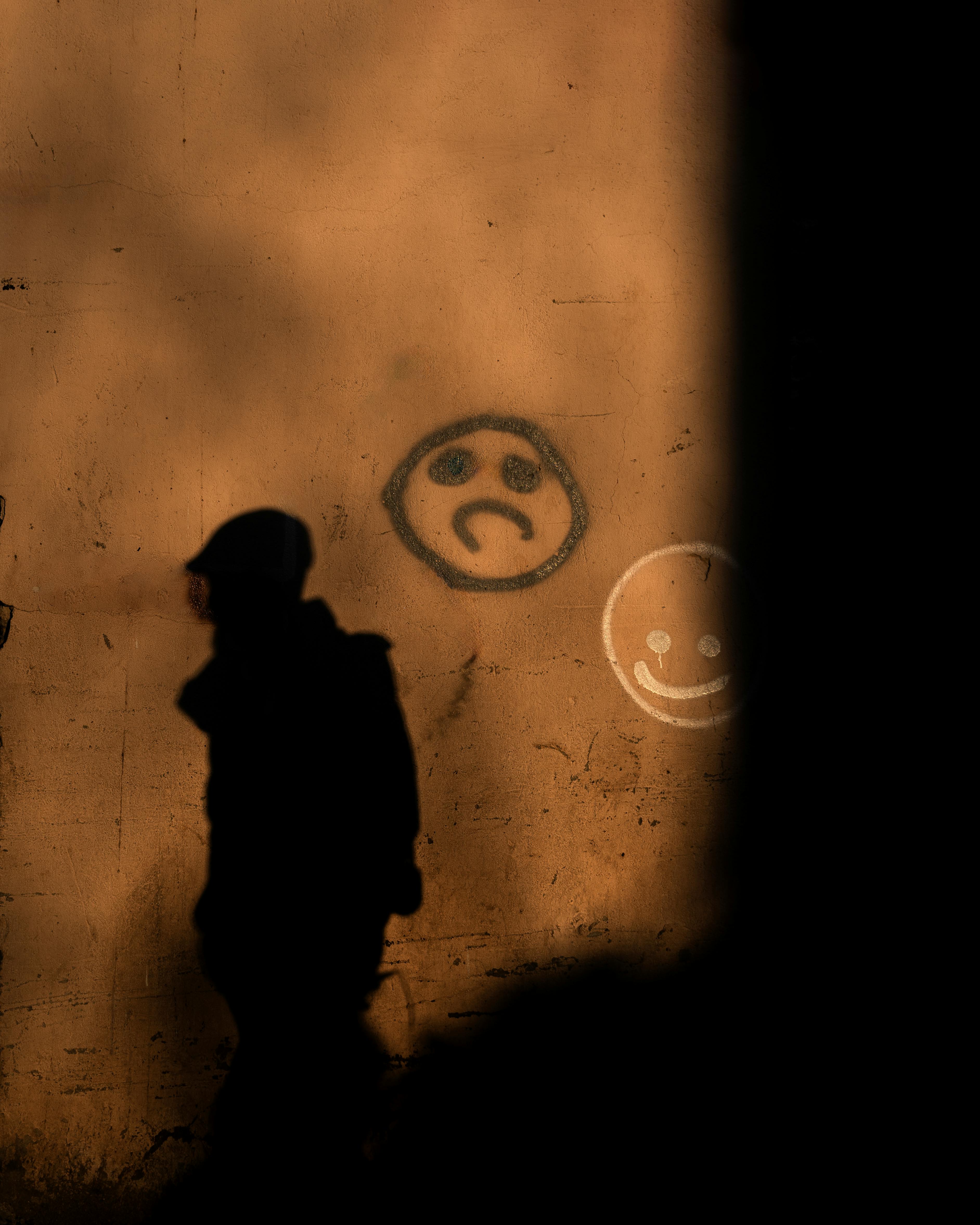
In a culture that prizes optimism, there is an unspoken expectation: smile, stay grateful, focus on the good. On social media, feeds overflow with curated snapshots of happiness, captions urging resilience, and the subtle message that sadness, anger, or frustration are inconvenient failures. It can feel suffocating. Behind the cheerful façades, many quietly carry a tension they cannot post: the discomfort of emotions deemed unacceptable in a world that prizes constant positivity.
Psychologists call this phenomenon toxic positivity—the insistence on maintaining a positive outlook at all times, even when life is difficult. It is more than superficial cheerfulness; it is a form of emotional invalidation. Studies have shown that invalidating emotions—dismissing, minimizing, or judging them—increases stress and anxiety and makes it harder to process difficult experiences. Being told to “just stay positive” or “look on the bright side” can unintentionally teach people to perform happiness as if it were a duty, rather than allowing themselves to feel what is real.
There is a quiet exhaustion in performing healing as a performance. Writing gratitude lists while feeling grief, posting achievements while battling self-doubt, repeating mantras while hiding fear add up. Research on expressive suppression, which is the act of hiding negative emotions, finds that while it may help preserve appearances, it amplifies physiological stress and emotional fatigue over time. The attempt to appear upbeat can be a kind of emotional labor, leaving the heart heavier than before.
Toxic positivity often comes with guilt. When someone fails to maintain the prescribed cheer, they internalize blame. Feeling sad or frustrated becomes proof of weakness rather than a natural human experience. Social media only intensifies this pressure. Constant exposure to others’ curated happiness correlates with feelings of inadequacy and isolation. In trying to match an image of constant joy, many people stop acknowledging their own reality, silently condemning themselves for being human.
Real healing, by contrast, does not demand performance. It asks for recognition and acceptance of emotions, even the uncomfortable ones. Research on self-compassion and emotional validation demonstrates that allowing oneself to feel sadness, anger, or fear improves resilience and reduces stress. Healing is not a polished post or a perfect mantra, but an internal process, often messy, slow, and deeply human.
Moving through emotions is the real healing
Understanding toxic positivity as a trap rather than virtue reframes our relationship with ourselves. It reminds us that moving through emotions honestly, without shame, is not failure. Experiencing pain does not erase our capacity for joy, but contextualizes it. Allowing space for the full spectrum of feelings, including the ones we are conditioned to hide, fosters true resilience. Smiling, then, becomes meaningful not because it is constant, but because it is earned, authentic, and paired with the courage to feel what is real.
In a world that glorifies relentless optimism, letting ourselves acknowledge difficulty feels radical. Yet it is in that acknowledgment—the quiet permission to grieve, to struggle, to feel—that healing begins.
The weight of always looking on the bright side is heavy, but allowing our emotions to full life lightens the load in ways a forced smile never can.
