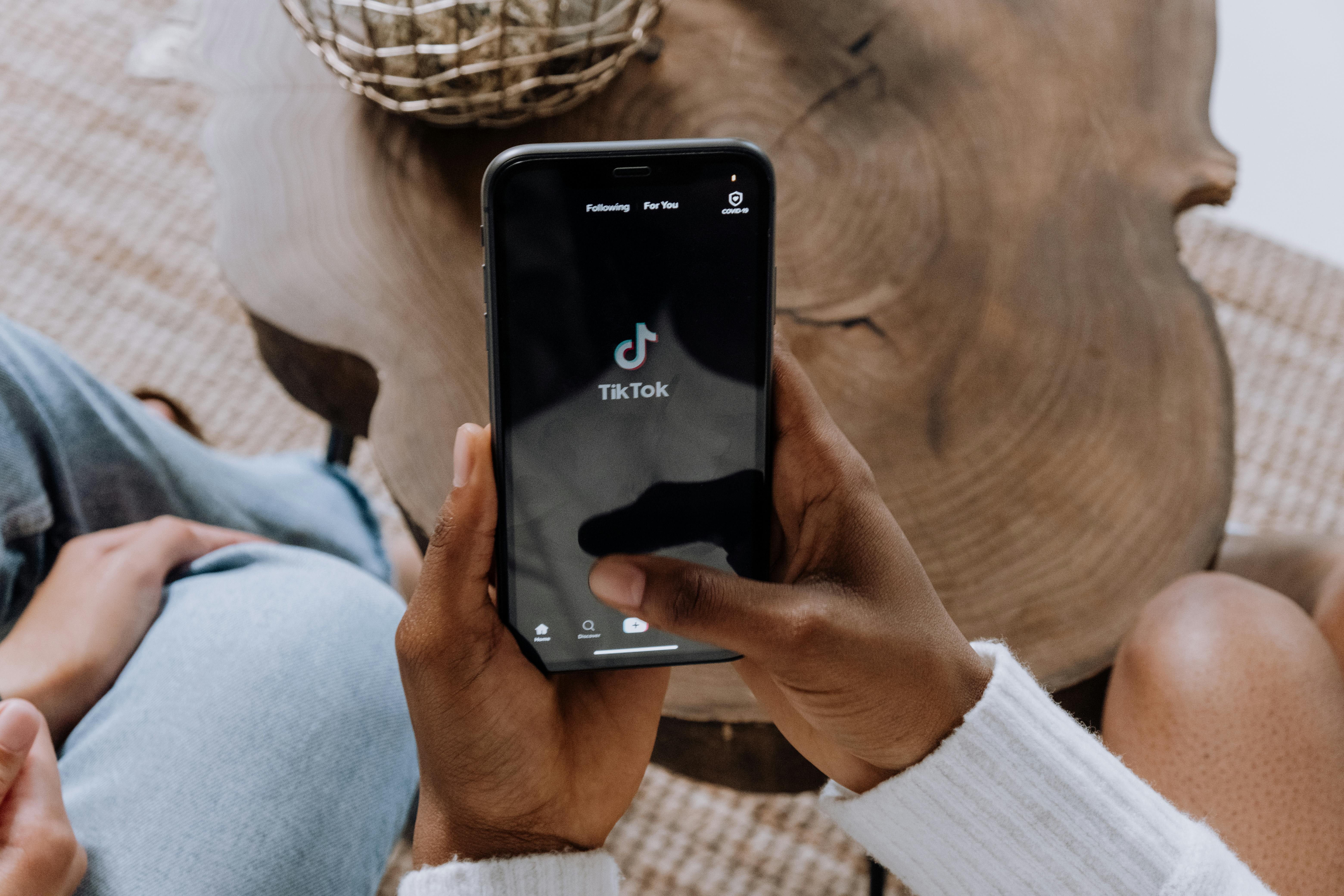
We scroll again, one short video after another, until minutes quietly slip into hours. Every single swipe, a 30-second memory trick, a viral dance, a dramatic news clip, pulls us along, our attention stretched like a rubber band under tension. Most of us know this feeling. It has quietly become part of how we navigate our days, filling the gaps between work, school, or the quiet moments we once reserved for reflection.
Short-form videos in forms of TikTok, Instagram Reels, YouTube Shorts have subtly reshaped how we absorb information. Rapid novelty, seamless transitions, and infinite scrolling recalibrate our expectations. Studies link heavy use of these platforms to shorter attention spans and a reduced ability to focus on longer, more demanding tasks. One study of university students, for instance, found that frequent short-video consumption was associated with weaker performance on attention-related tasks.
Yet, TikTok isn’t all a distraction. The same format that splinters attention also opens doors to learning. Microlearning fits neatly into our busy routines. In a few seconds, a clip can spark curiosity with a math shortcut, a language tip, or a bite of scientific insight, sometimes more effectively than a long lecture. Research shows that these short educational videos can reinforce lessons, encourage exploration, and make learning feel less intimidating. Within these fleeting clips, we sometimes find sparks of clarity, moments that, if we follow them intentionally, can grow into deeper understanding.
The paradox lies in the pace. Quick clips reward immediacy and emotional punch, often at the expense of nuance. A mental-health tip in 30 seconds may oversimplify or mislead us entirely. In 2025, more than half of the top TikTok videos under mental health tips contained inaccurate guidance. The same feed that offers a clever hack can pull us into doomscrolling: hours of fragmented, emotionally charged content that leave our minds both stimulated and drained.
We live this tension daily. We learn and distract ourselves in the same breath, our attention split between curiosity and compulsion. Our patience for sustained reading dwindles, yet we notice moments of delight, a reel that explains something clearly, tells a story that lingers, sparks a thought that nudges us to explore further. TikTok mirrors modern learning itself: fragmented, fast, unpredictable, yet capable of illuminating small truths if we approach it with awareness.
The key is balance. Short-form videos can anchor learning if we engage with them mindfully. Pairing a 30-second clip with reflection, follow-up reading, or note-taking transforms micro-content into micro-learning rather than micro-distraction. It takes intention and an acknowledgment that attention is fragile, but it is still something we can nurture.
The truth is TikTok Reels are neither villain nor hero. They reflect our modern minds: curious, restless, negotiating between speed and depth. The lesson isn’t in the platform itself, but in how we choose to engage with it. Between swipes, laughs, quick facts, and distractions lies a chance to reclaim our attention in fragments, and perhaps piece it together into something meaningful. In this fast, fragmented rhythm of modern learning, we are reminded to slow down, notice, and decide what shapes our minds.