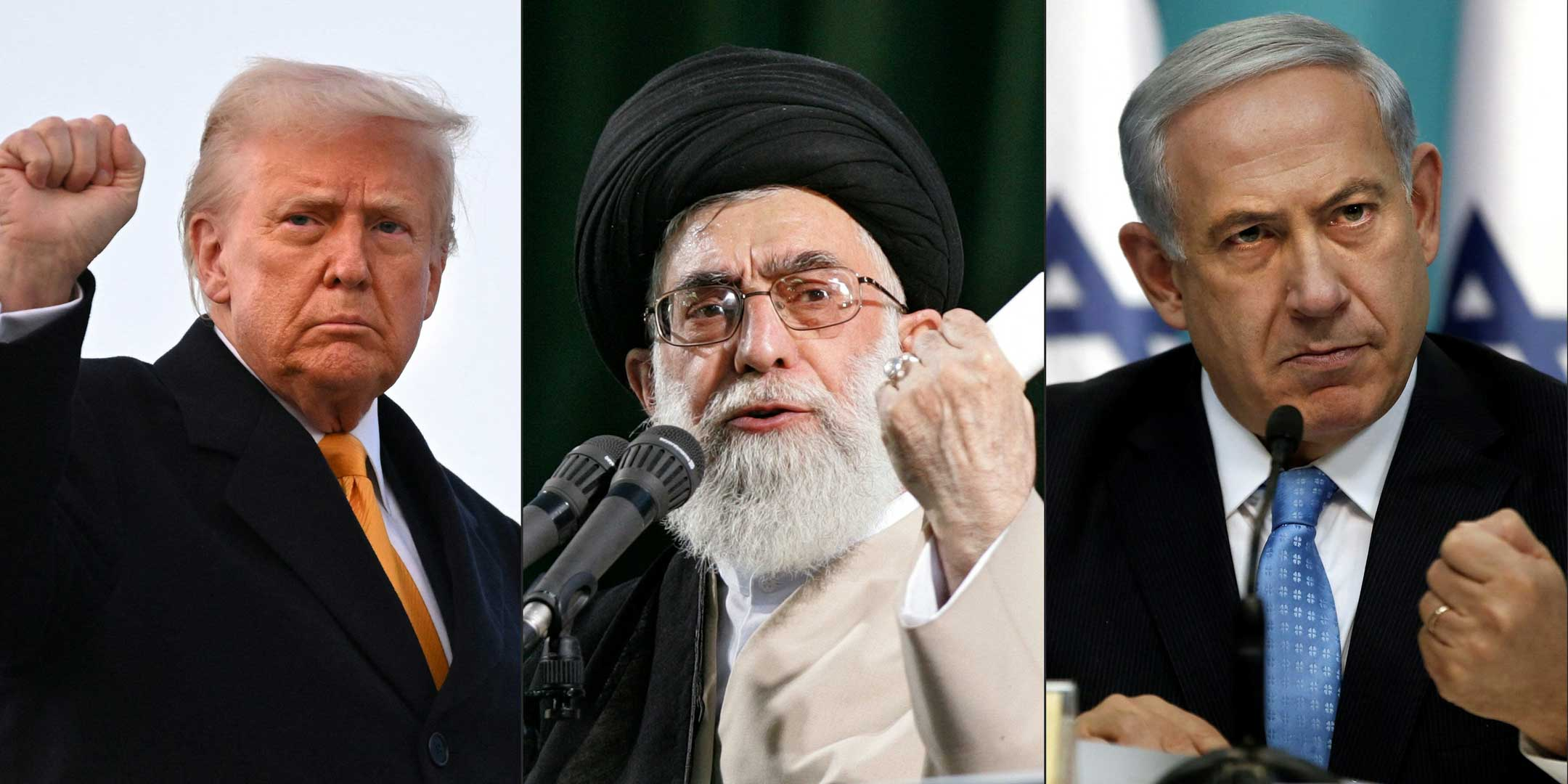

In a dramatic turn of events, President Donald Trump is claiming a major foreign policy win following U.S. airstrikes on Iran’s nuclear facilities and a tenuous ceasefire between Israel and Iran. But beneath the celebratory headlines and social media posts, serious questions remain about the true effectiveness of the operation—and the future stability of the Middle East.
A strike that fell short
Despite White House assertions that the bombing campaign “obliterated” Iran’s nuclear capabilities, a leaked assessment by the Pentagon’s Defense Intelligence Agency paints a more sobering picture. According to the report, the strikes did not destroy Iran’s nuclear program. At best, they delayed its progress by a few months.
Key elements of Iran’s nuclear infrastructure—including its stockpile of enriched uranium—remain intact. Intelligence sources suggest at least one significant research facility was untouched, possibly hidden or undisclosed prior to the attack. This undercuts one of the central narratives coming out of Washington: that the threat of a nuclear Iran has been neutralized.
The White House quickly dismissed the Pentagon’s findings as “flat-out wrong” and accused unnamed officials of trying to undermine President Trump. But if the Pentagon’s report is accurate, then the administration’s claims of success are built on shaky ground.
The ceasefire: A welcome but unstable break
Following nearly two weeks of fierce combat between Israeli and Iranian forces, a ceasefire has been declared—and appears, for now, to be holding. Israeli Prime Minister Benjamin Netanyahu hailed the cessation of hostilities as a “historic victory.” Iranian President Ebrahim Raisi called it the end of the “12-day war,” framing it as a testament to Iranian resilience rather than surrender.
Trump, traveling to the NATO summit in the Netherlands, was quick to take credit. He posted a congratulatory message from NATO Secretary-General Mark Rutte praising his “decisive action” in Iran. Trump framed the ceasefire as a product of U.S. military might and personal diplomacy—reportedly including a blunt phone call with Netanyahu from Air Force One.
Still, Middle East ceasefires are often precarious. The underlying issues—regional power struggles, ideological rivalry, and unresolved nuclear ambitions—remain unaddressed. The temporary halt in fighting may merely be a pause, not a resolution.
Tactical success or strategic gamble?
Vice President J.D. Vance touted Trump’s foreign policy approach as simple and effective: define American interests, negotiate aggressively, and use overwhelming force when necessary. That framework sounds compelling—but critics argue it lacks coherence and long-term vision.
Indeed, Trump’s approach over the past two weeks has swung wildly. He has veered from threatening regime change in Iran to facilitating a ceasefire; from distancing himself from Israel’s offensive to backing it with U.S. airpower. These shifts raise concerns that Trump’s foreign policy remains reactive, driven more by optics and instinct than by strategy.
Some Republican lawmakers who previously expressed unease with Trump’s military posturing have now backtracked. Congressman Thomas Massie of Kentucky, who had planned legislation to restrict Trump’s use of force in Iran, shelved the effort in the wake of what the White House is calling a success.
A win—but at what cost?
For now, Trump is enjoying a rare moment of bipartisan relief and international praise. He heads into the NATO summit with apparent momentum, bolstered by allied support for increased defense spending and a short-term diplomatic triumph in the Middle East.
But the path ahead is uncertain. The potential for Iranian retaliation, the risk of future nuclear escalation, and the fragility of the ceasefire all suggest that this may be less a “mission accomplished” moment and more of a brief interlude before the next crisis.
The airstrikes may have bought time—but time alone does not guarantee peace. As history has repeatedly shown, military force can shape events, but lasting stability demands strategy, diplomacy, and a willingness to engage beyond the battlefield.
Trump has seized a political victory. Whether it proves to be a strategic one remains to be seen.