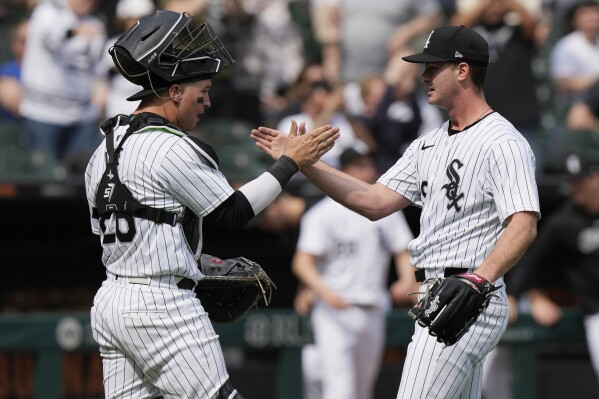

For years, the closing role on the South Side has felt less like a job and more like a rotating assignment. One week it belonged to a hard thrower finding his footing. The next, it was handed to whoever happened to be standing after the seventh.
The lack of permanence became part of the identity of the Chicago White Sox bullpen, a symptom of a franchise constantly deferring decisions while waiting for a perfect solution that never arrived.
But heading into 2026, the tone has shifted. Not with a splashy free-agent signing or a headline-grabbing contract, but with something quieter and more deliberate: commitment.
This winter offered temptation. The market was full of relievers with save totals, postseason scars, and price tags that suggested certainty. Yet Chicago passed. Not out of neglect, but out of intent. Rather than buy confidence, the organization chose to test it internally.
That decision has effectively handed the ninth inning to Jordan Leasure.
In a bullpen built largely on specialists and swingmen, Leasure stands apart. He looks like a closer in the traditional sense, attacks hitters with intent, and pitches with the understanding that the inning belongs to him. There is no finesse act here. His game is velocity, sharp break, and the willingness to challenge hitters even when his command is imperfect.
Late in 2025, that profile began to translate into results that mattered. Over the final stretch of the season, Leasure stopped pitching like an auditioning reliever and started working like someone protecting something. Clean innings became routine. Missed bats piled up. Hitless appearances stacked quietly, the kind that do not go viral but change how a clubhouse feels after a win.
The numbers were not flawless. Walks remained part of the equation, and balls in play did not always stay on the ground. But the underlying indicators told a different story. Hitters chased. Contact quality dipped. And when games narrowed, Leasure stopped blinking.
That matters more than saves totals on a rebuilding roster. Closing is as much about temperament as execution, and Chicago has learned that lesson the hard way. Undefined roles turn late innings into guesswork. Guesswork turns close games into losses. Over time, that erosion affects everything from confidence to development.
By choosing Leasure, the White Sox are not declaring the problem solved. They are choosing clarity instead. One pitcher prepares for the ninth. Everyone else slots accordingly. The bullpen gains structure, and the manager gains predictability. For a young team still learning how to win small moments, that alone has value.
There is also a broader philosophy at play. Closers are the most volatile asset in baseball, expensive when established and fragile by nature. Chicago has paid that tax before. This time, they are asking a different question: what if the answer is already here?
Leasure is under club control for years. He costs flexibility only if he fails, and even then, the experiment provides information. If he claims the role, the White Sox stabilize a long-problematic position without sacrificing payroll. If he falters, next winter’s investment becomes targeted rather than hopeful.
Either way, this is not indecision disguised as patience. It is a calculated bet on development, on usage, and on the belief that progress does not always arrive with a press conference.
For the first time in a long while, the ninth inning in Chicago is not a mystery. It is a plan.