
Washington, D.C. – Decades after John F. Kennedy’s assassination stunned the world, the U.S. government has once again opened the vault on one of America’s most scrutinized historical events. President Donald Trump fulfilled a campaign promise by declassifying thousands of pages related to the 1963 killing of the 35th president. Still, the move has only reignited more questions than it answers.
With over 80,000 pages of material flowing into the National Archives, scholars, conspiracy theorists, and historians comb through files once hidden behind national security walls. Though expectations of a bombshell revelation remain tempered, the release underscores the enduring public fascination with Kennedy’s assassination and the possibility that history has not yet given up all its secrets.
A window into Cold War tensions
The newly unsealed documents provide a deeper look at the paranoia that defined U.S.-Soviet relations in the wake of the Cuban Missile Crisis.
One file highlights Operation Mongoose, a CIA-led effort designed to destabilize Fidel Castro’s communist regime in Cuba—a mission authorized by Kennedy himself in 1961. The same campaign was actively undermining communist forces across Latin America, revealing just how deeply the U.S. government was invested in thwarting Soviet influence in its hemisphere.
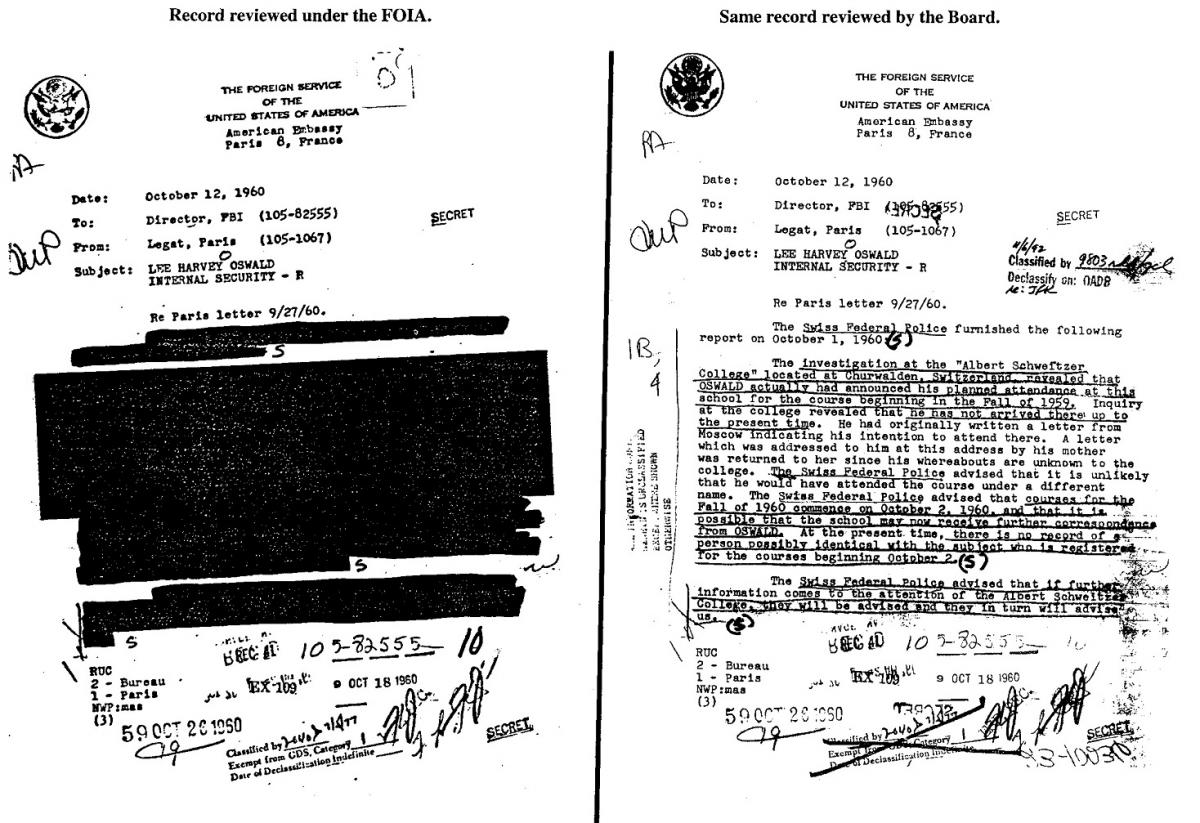
Among the most intriguing aspects of the files are details concerning Lee Harvey Oswald, the man officially blamed for Kennedy’s murder. The documents delve into Oswald’s time in the Soviet Union, his connections to intelligence agencies, and his relationships in the months leading up to the shooting in Dallas. However, early reviews suggest the files reinforce existing narratives rather than overturn them.

Conspiracy theories persist
Despite the mountain of official records, skepticism remains. Polls continue to show that a majority of Americans believe Kennedy’s assassination was more than just the act of a lone gunman. Theories range from CIA involvement to organized crime and foreign actors, fueled by the government’s history of secrecy surrounding the event.
Robert F. Kennedy Jr., the nephew of JFK and a longtime critic of official assassination accounts, has suggested that intelligence agencies played a role in the murder. The CIA has repeatedly dismissed such allegations as baseless, but the fact that significant portions of the JFK files remained classified for decades has only deepened public mistrust.
JFK’s grandson, Jack Schlossberg, expressed frustration on social media, revealing that the Trump administration had not given the Kennedy family advance notice of the release. Meanwhile, historians like Fredrik Logevall of Harvard University remain skeptical that the documents will produce groundbreaking discoveries.
The hunt for truth continues
Though researchers already knew much of the information in the newly released files, the sheer volume of material means it may take months—if not years—for experts to analyze the full extent of its revelations.
Multiple government investigations over the years have reaffirmed the Warren Commission’s official conclusion that Oswald acted alone, but the unease surrounding the case has never fully disappeared.
Trump had also pledged to release classified files on the assassinations of Martin Luther King Jr. and Robert F. Kennedy, two other politically motivated killings that continue to spark controversy. However, those releases remain pending, leaving the door open for further historical debates.
For now, the JFK files add new details to an old mystery, but they may never provide the closure that many still seek.