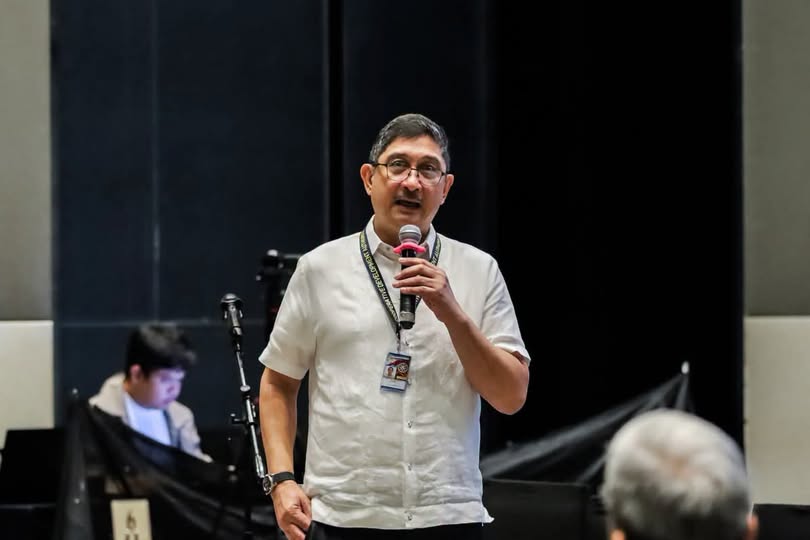
Quezon City Rep. Arjo Atayde was all smiles this weekend, handing out relief packs to flood-stricken families in Bagong Pag-asa and Project 6. Cameras clicked, Facebook posts gushed, and the narrative was neatly packaged: a young lawmaker caring for his people in their time of need.
But strip away the photo ops, and what remains is an image dripping with hypocrisy. Atayde stands accused of being in cahoots with the very contractors—Curlee and Sarah Discaya—whose “ghost projects” helped ensure that these floods would devastate communities in the first place.
Charity as cover
Atayde’s defenders rushed to post glowing tributes: “True service has no limits,” they declared. Yet this carefully curated charity tour looks less like public service and more like damage control. Relief packs may feed families for a day, but the billions allegedly siphoned off from flood control projects starved those same communities of protection for years.
It’s political theater, plain and simple. The man who allegedly colluded in siphoning public funds for non-existent or substandard flood defenses now plays savior to flood victims. It is the height of irony—floods made worse by corruption, followed by relief made necessary by that same corruption.
The ghosts that haunt
The Senate Blue Ribbon Committee hearings have painted a damning picture: the Discaya siblings greased the wheels of power, while politicians allegedly lined their pockets. Atayde’s name was dropped squarely in this scheme. He denied everything, of course. He swore he never benefited from the Discayas’ construction firms.
But when photos surfaced of him sitting with the Discayas, he brushed them off as “unplanned meetings.” Unplanned—just like the billions in missing funds? Unplanned—just like the floods submerging his district?
The people are not fooled
No amount of relief goods can wash away the stench of ghost projects. No tarpaulin or Facebook caption can erase the testimonies that placed Atayde in the company of the Discayas. His acts of “charity” are a cruel reminder of a cycle the public knows too well: politicians plunder the treasury, disasters strike, and the same politicians parade in with handouts, cameras in tow.
One flood-weary resident captured the truth best: “Kung nagamit ng tama ang pondo sa flood control, hindi kami nabaha. Hindi na namin kailangan ng relief ngayon.” (If the flood control funds were used properly, we wouldn’t have been flooded. We wouldn’t need relief now.)
Accountability, not alibis
Atayde wants the public to see him as a man of the people, but the people deserve more than photo ops. They deserve answers. They deserve accountability. Relief operations, no matter how grand, cannot mask allegations of corruption. They cannot erase the reality that the very projects meant to shield communities from floods were turned into a cash cow for politicians and contractors alike.
Until Atayde faces these allegations head-on, his relief missions will remain nothing more than a hollow gesture—a desperate performance to distract from the ghosts of corruption that continue to haunt him and drown his constituents.