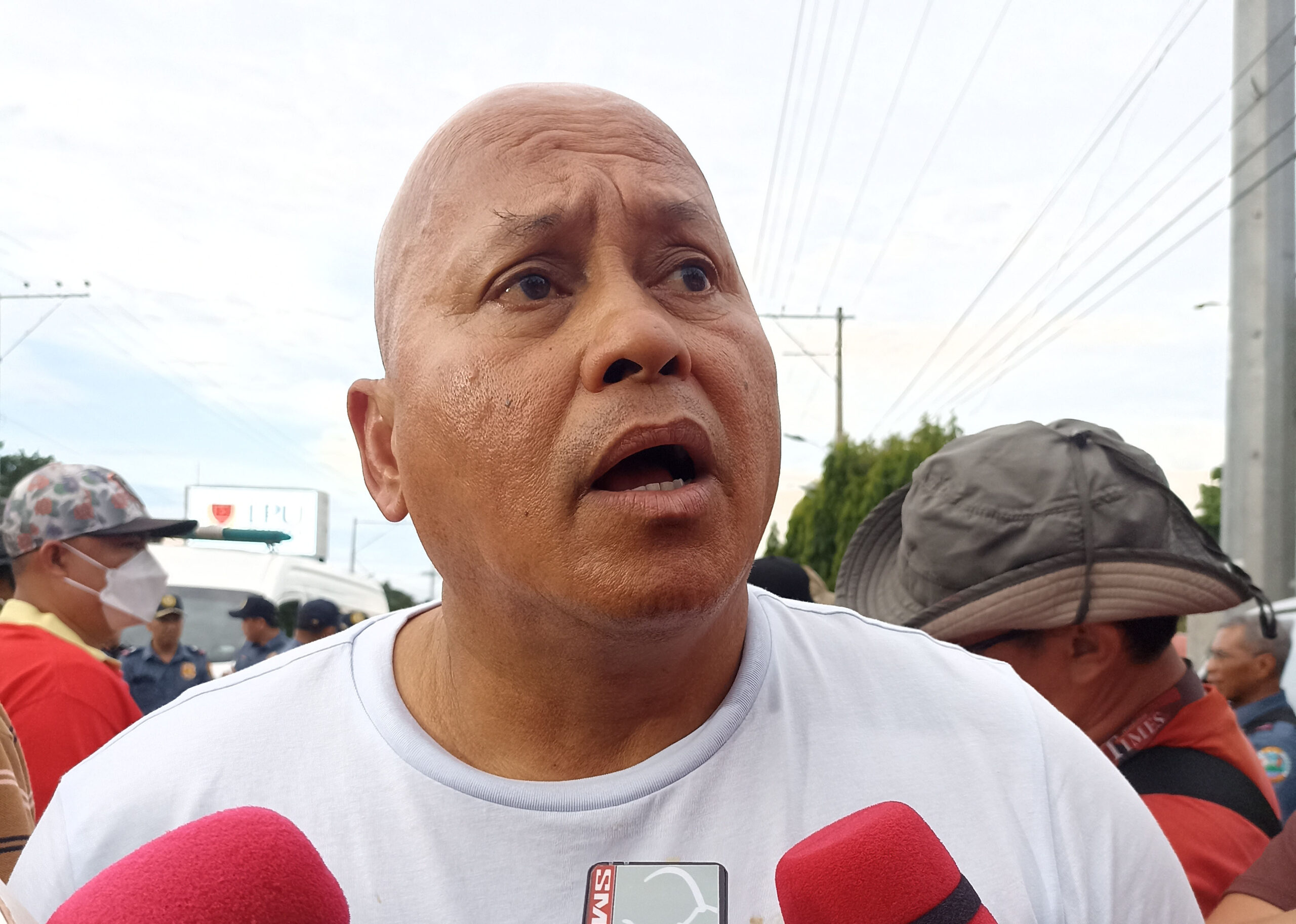

The administration of President Ferdinand Marcos Jr. has signaled its willingness to act on an international arrest warrant should the International Criminal Court (ICC) move forward with charges related to the controversial war on drugs during former President Rodrigo Duterte’s term. At the center of this looming legal and political storm is Senator Ronald “Bato” dela Rosa, Duterte’s former police chief and one of the architects of the bloody crackdown.
Executive Secretary Lucas Bersamin, one of Marcos’ top aides, revealed in an interview with Kyodo News that Dela Rosa could face arrest “if the ICC issues a warrant” and if an Interpol notice accompanies it. While the Philippines officially exited the ICC in 2019 under Duterte’s directive, Bersamin clarified that international law enforcement cooperation remains possible due to the country’s continuing membership in Interpol.
“We will implement it the way we did with Duterte,” said Bersamin, referring to the controversial arrest of the former president by local police in March this year following a warrant from The Hague-based tribunal for alleged crimes against humanity. Duterte, now detained, has asked the court for temporary release to allow travel abroad, though a decision has yet to be made.
The legal predicament adds a new layer of complexity to Philippine politics, especially after Dela Rosa secured a fresh mandate in the May midterm elections, placing third among winning Senate candidates. The popular yet polarizing figure has remained defiant amid the threat of international prosecution, branding the ICC’s efforts as foreign interference in domestic affairs.
Bersamin stressed that due process would be honored, citing the possibility of Supreme Court intervention. “If the Court rules that full legal procedures must be exhausted before surrendering a Filipino citizen, we will abide by that,” he said.
Despite official government data citing over 6,200 deaths during the anti-drug campaign from 2016 to 2022, independent human rights groups estimate the toll to be far higher—often accusing the police of carrying out extrajudicial killings and covering them up as legitimate operations.
The ICC investigation has faced fierce opposition in the Philippines, particularly from Duterte loyalists and nationalists who argue that the country’s justice system is capable of handling internal matters. Still, mounting international pressure and the evolving political will under the Marcos administration suggest a shift, however cautious, toward greater accountability.
For now, all eyes are on The Hague. Whether it moves to escalate action against Dela Rosa—and how the Philippines responds—could redefine how far international justice can reach within sovereign borders.