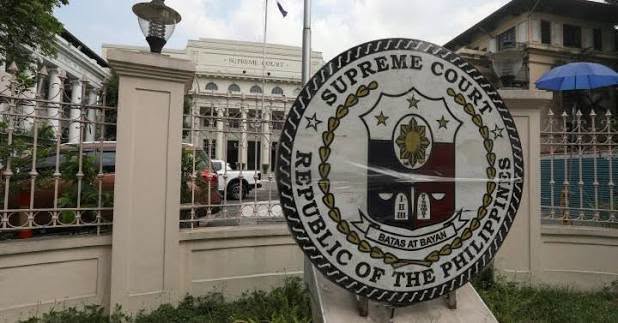

MANILA – The Supreme Court (SC) acquitted a woman previously convicted of cyber libel over Facebook posts accusing a local government official in Quezon province of allegedly obstructing her family’s plan to establish a fast-food franchise.
In a decision penned by Associate Justice Jhosep Lopez, the high tribunal cleared Jade Karla Tan of cyber libel under Republic Act 10175, or the Cybercrime Prevention Act of 2012, after finding that the prosecution failed to establish actual malice beyond reasonable doubt.
The SC emphasized that a person may be held liable for cyber libel over statements concerning a public official’s official conduct only when actual malice is established, meaning the accused knew the statements were false or acted with reckless disregard for their truth.
The case stemmed from a Facebook post made by Tan in 2016, alleging that a person “in the highest position” had demanded “padulas,” or a bribe, as a prerequisite for securing building and business permits.
Tan subsequently issued a public apology to then-Catanauan, Quezon Mayor Ramon Orfanel through social media and displayed an oversized billboard containing the apology at the site of the abandoned business project.
Both the lower court and the Court of Appeals found Tan liable, maintaining that “rectification or clarification does not negate the responsibility for the publication of a defamatory statement, and could not mitigate it.”
However, the Supreme Court reversed the earlier rulings, declaring that it “finds that the element of malice was not proven beyond reasonable doubt.”
The high tribunal explained that establishing actual malice requires proof that the person making the statement knew it was false or seriously doubted its accuracy but proceeded to publish it.
“Reckless disregard, which is determined on a case-to-case basis, exists when a person seriously doubts the truth of a statement but makes it anyway,” the court said.
The SC stressed that inaccurate statements do not automatically constitute actual malice when made with an honest belief that they were true.
It noted that the lower courts relied primarily on Tan’s alleged resentment toward Orfanel following her family’s unsuccessful business venture and her failure to verify her claims before posting them online.
According to the Supreme Court, these circumstances were insufficient to establish that Tan knowingly published false information or acted with reckless disregard for the truth.
While acknowledging that the statements may have been offensive, the high tribunal maintained that the prosecution failed to satisfy the legal standard required for conviction.
In acquitting Tan, the Supreme Court also reiterated its earlier position that the continued recognition of libel as a criminal offense remains a matter for Congress to decide.