
The wrath of back-to-back storms and the habagat has left at least three people dead, with thousands of families reeling from floods, landslides, and blackouts across northern and central Luzon.
The National Disaster Risk Reduction and Management Council (NDRRMC) confirmed on Tuesday that it is verifying two fatalities in Central Luzon and one in the Cordillera region, casualties linked to the combined force of Tropical Depression Mirasol, Super Typhoon Nando, and the southwest monsoon. Nine others were injured, while five remain missing.
Families in crisis
From September 16 to 18 alone, nearly 35,300 families—or more than 123,000 individuals—were affected. At least 4,360 families are now staying in evacuation centers, while over 1,300 more sought temporary shelter with relatives or friends.
Scenes of families wading through chest-deep floodwaters, carrying children and salvaging belongings, echoed across Ilocos, Cagayan Valley, Central Luzon, and even Metro Manila, underscoring the widespread impact of the calamity.

Nando’s fury
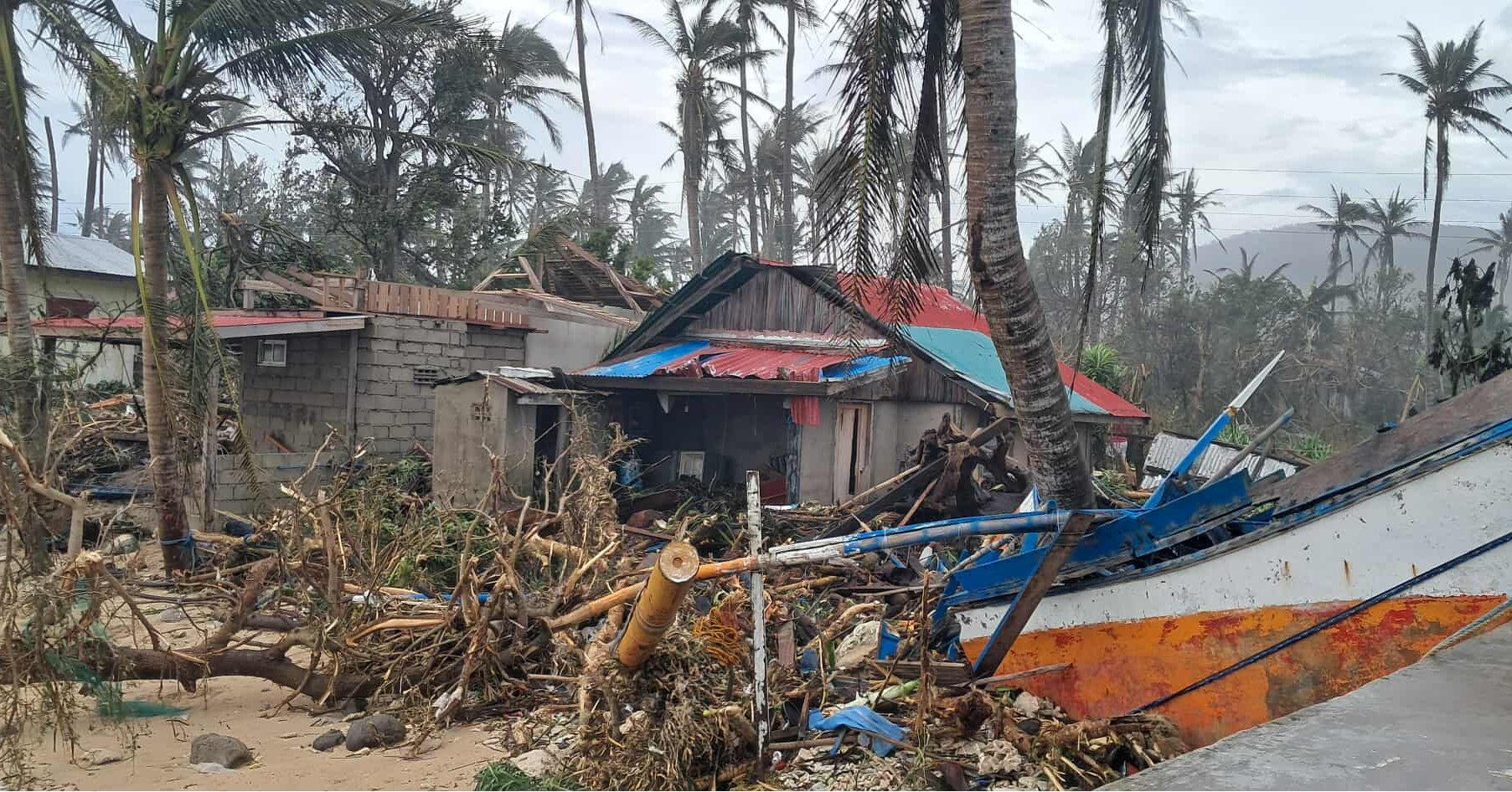
Once peaking at Category 5 strength, Super Typhoon Nando unleashed winds strong enough to tear down power lines, uproot trees, and threaten storm surges along coastlines.
“This is not just about rain—this is about wind powerful enough to destroy properties, crops, and lives,” said Junie Castillo, spokesperson for the Office of Civil Defense. He warned of “intense rainfall” triggering floods and softening soil, raising the risk of deadly landslides.
Though Nando has since weakened and is poised to exit the Philippine Area of Responsibility, its footprint is already massive: 66 road sections and 26 bridges blocked, 28 houses damaged, and at least 49 towns and cities plunged into darkness after power outages.
Ripple effects
Beyond damaged infrastructure, air and sea travel across northern Luzon ground to a halt, stranding passengers as ports and airports suspended operations. Local governments scrambled to declare class suspensions in anticipation of more rain and possible aftershocks from the storm’s wake.
As Nando exits, communities brace for a long recovery—patching homes, restoring power, and waiting for floodwaters to subside. For families in evacuation centers, the real storm may just be beginning: rebuilding lives after the skies clear.