
(Photo courtesy of Senate)
MANILA, Philippines – The Senate will exclude two spending provisions declared unconstitutional by the Supreme Court from the proposed 2027 national budget and introduce stricter safeguards for unprogrammed appropriations.
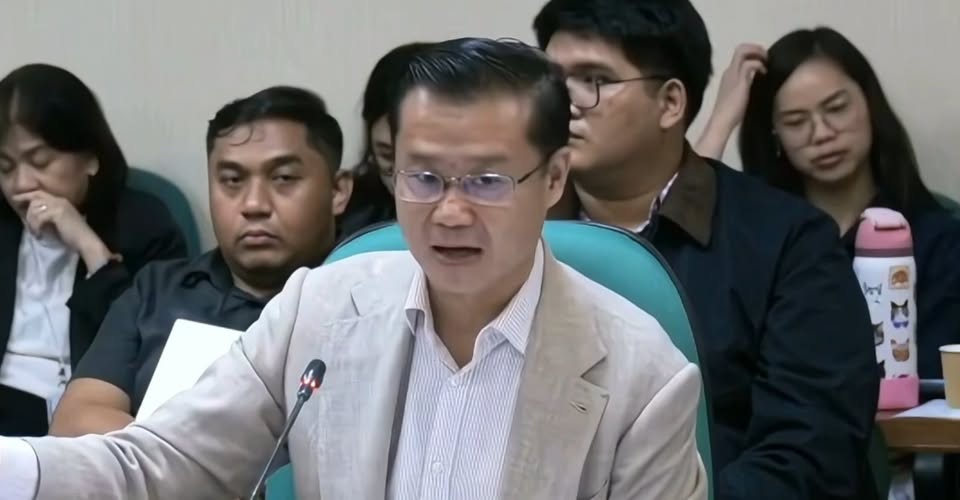
Senate President Sherwin Gatchalian confirmed the move on Thursday, October 22, during a Senate Committee on Finance hearing, following the high court’s decision invalidating Special Provisions 1(a) and 1(b) of the 2026 General Appropriations Act (GAA).
“For sure, tatanggalin na namin ‘yung 1A and 1B,” Gatchalian said.
The Senate’s decision comes as lawmakers prepare to consolidate agency budget proposals before bringing the spending measure to plenary deliberations.
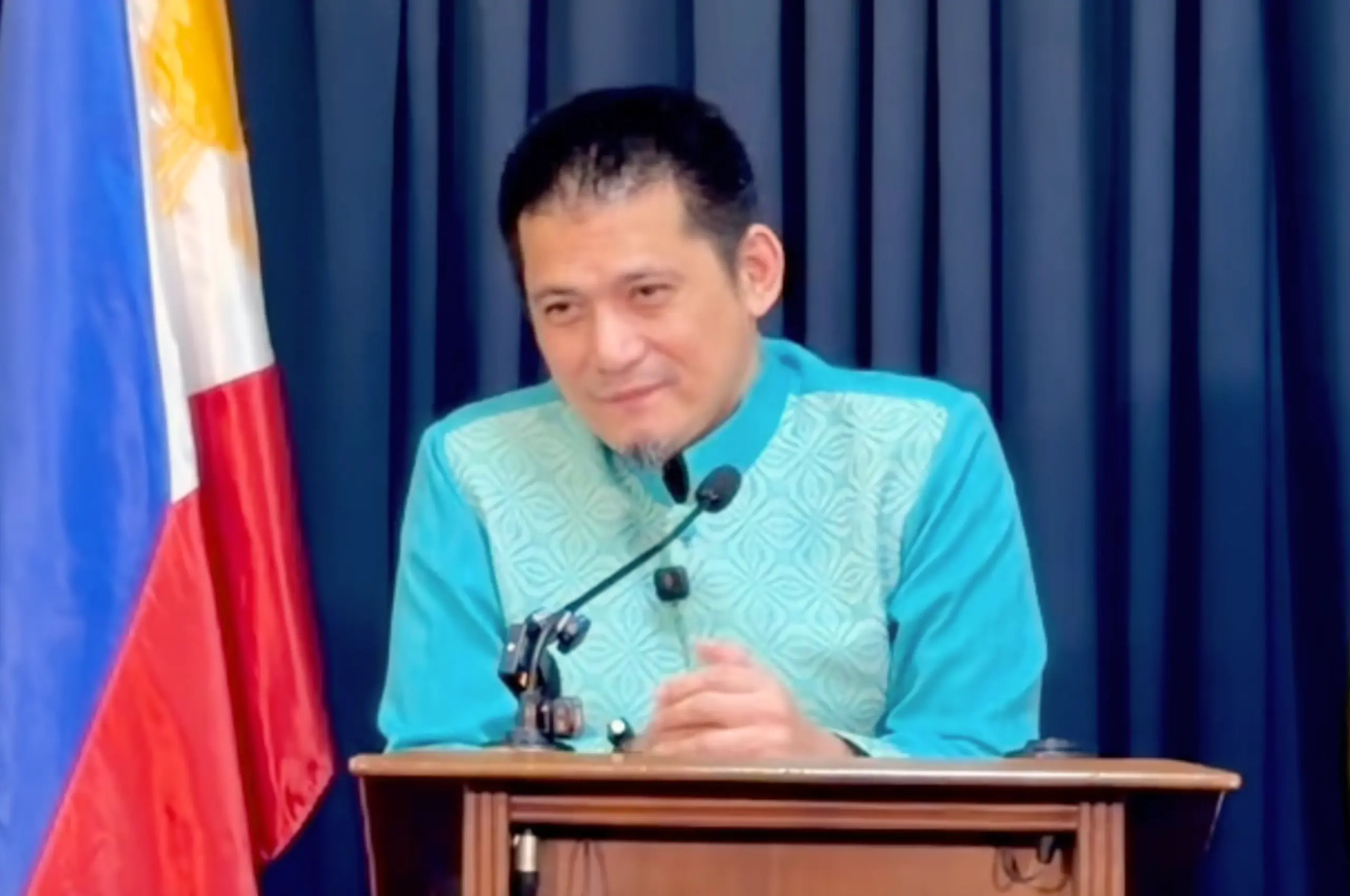
Department of Budget and Management (DBM) Acting Secretary Kim Robert de Leon said the agency is ready to assist Congress in revising the proposed budget to comply with four safeguards outlined by the Supreme Court, including restrictions on lump-sum appropriations.
De Leon said the DBM could provide an itemized list of foreign-assisted projects covered by proposed unprogrammed appropriations to allow lawmakers to examine specific expenditures before approving them.
“We stand ready to help Congress in complying with that guardrail,” he said.
The DBM also expressed willingness to support additional legislative safeguards governing the release of unprogrammed funds, including clearer approval procedures and accountability measures.
Meanwhile, Gatchalian raised questions about how the Supreme Court ruling could affect Congress’ authority to adjust funding allocations for individual government programs and projects.
He sought clarification on whether lawmakers could continue increasing or reducing allocations within the overall spending ceiling recommended by the President.
De Leon said the DBM’s legal team is reviewing the ruling alongside the Supreme Court’s earlier decision in Sarmiento v. Treasurer of the Philippines, which addressed constitutional limits on congressional appropriations.
“That has been the practice in the budget cycle,” De Leon said, referring to funding adjustments made within the overall spending ceiling.
Both officials agreed that further legal clarification is necessary, with the Senate and DBM planning consultations with the Office of the Solicitor General.
Gatchalian emphasized that resolving the issue is important before plenary deliberations, when senators will determine which proposed budget increases, reductions, and realignments are legally permissible.