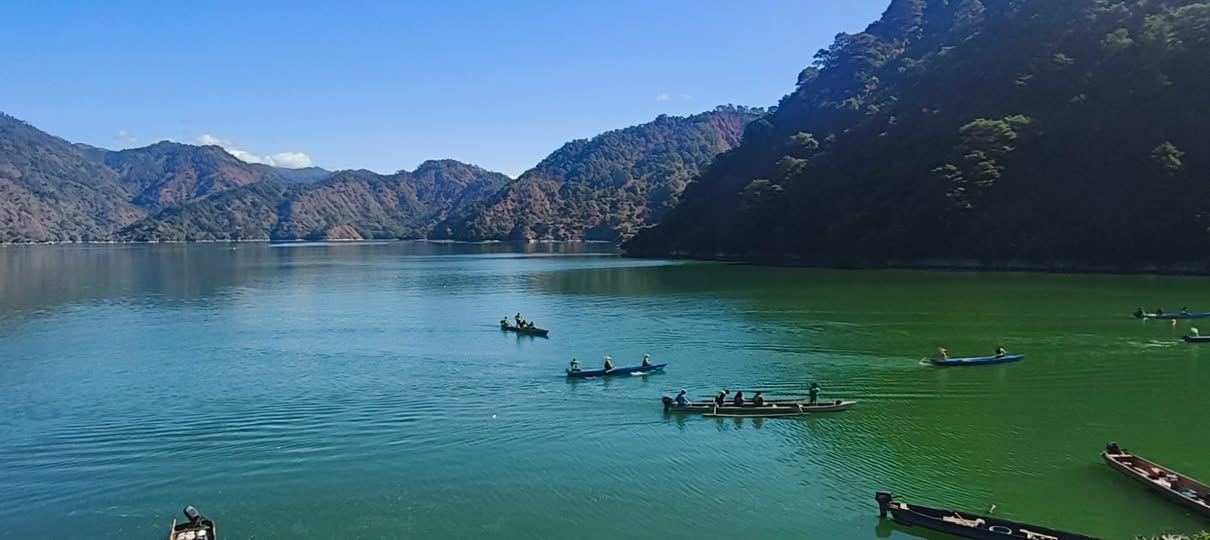

(DC file photo)
BAGUIO CITY, Philippines – A little-known cave in Bokod, Benguet, believed to have served as a Japanese hospital during World War II, is being introduced as a historical attraction under a community-led tourism initiative.
Located near the Ambuklao Dam, Tael Cave is among the featured destinations of the second “Pasyal Shi Ambuklao” (Visit Ambuklao) tourism activity, which aims to showcase the area’s wartime history, natural attractions and local livelihoods.
Ambuklao Barangay Captain Rey Tello said residents have known about the cave for generations, although it has remained largely unfamiliar to visitors.
“We have known of its existence even as children. The cave used to be passable from one end to the other, but an earthquake triggered a landslide that blocked its rear portion,” Tello said in Ilocano.
According to accounts passed down by his grandfather, the cave contains two to three small compartments reportedly used as hospital rooms during the Japanese occupation.
Tello’s grandfather served as a captain under the United States Armed Forces in the Philippines-Northern Luzon (USAFIP-NL) and was among the war veterans posthumously recognized by the municipal government during the commemoration of Bokod’s liberation.
The barangay official said Filipino soldiers also used the cave and surrounding areas to shelter their families from Japanese forces while they participated in wartime operations.
He recalled stories from veterans describing how soldiers discovered the cave near Belsing Falls and used it as a hiding place.
Organizers secured permission from the property’s owner to include Tael Cave in the upcoming tourism activity.
“We will see if we can make this a regular activity. It must be with the consent of the owner,” Tello said.
If the initiative becomes a permanent tourism offering, organizers hope to reopen the cave’s rear passage, which was blocked by a landslide.
However, Tello noted that access to the site depends on the water level of the Ambuklao reservoir, as rising water can enter portions of the cave.
Nature, local food and reservoir activities
Aside from exploring the historical cave, visitors will have opportunities to experience Ambuklao’s natural attractions and community-based livelihood activities.
The tour includes a visit to Belsing Falls, approximately a 15-minute walk from Tael Cave, and a walk across one of the long bridges in Barangay Bangao.
Participants may also swim in the river at Kaalnusan, an area known for its cool surroundings and abundant alnus trees.
Visitors can enjoy freshly harvested and cooked tilapia and participate in a catch-and-buy activity featuring tilapia and silver carp raised in fish cages along the Ambuklao reservoir.
The reservoir supplies water to the 105-megawatt Ambuklao Hydroelectric Power Plant operated by SN Aboitiz Power.
A boat ride toward the port near the dam’s exit gates will conclude the tour.
November 30 tour schedule and fees
The whole-day “Pasyal Shi Ambuklao” activity is scheduled for November 30, 2026, coinciding with Bonifacio Day.
The tour will begin at 9 a.m. and conclude before 5 p.m.
According to Tello, the package costs Php 1,700 per person, including meals and transportation from Baguio City.
Participants bringing their own vehicles will pay Php 1,300 each.
The fees also cover environmental and entrance charges required under a municipal ordinance.
Organizers will provide life vests for participants during boating and waterfall activities.
Visitors are advised to bring umbrellas or other sun protection, comfortable clothing, slippers and swimwear.
Tello said the initiative seeks to introduce more visitors to Ambuklao’s historical and natural attractions while creating opportunities for local communities to benefit from tourism.
The activity also offers residents an opportunity to preserve and share stories about the area’s role during World War II.