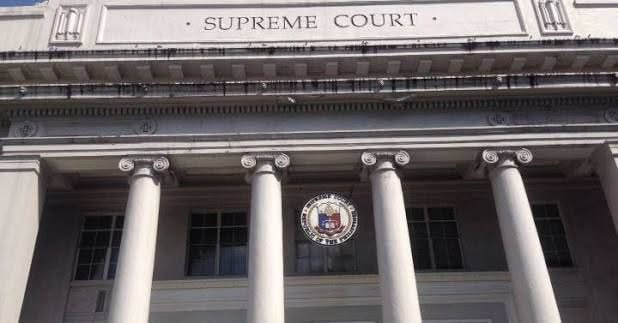

MANILA – The Supreme Court (SC) has clarified the remedies available to borrowers whose properties have been sold through extrajudicial foreclosure.
In a decision released on Tuesday, the SC’s Third Division denied the petition filed by spouses Anthony and Ma. Fatima An and upheld the issuance of a writ of possession in favor of Philippine National Bank (PNB).
The spouses took out a PHP2 million loan from Allied Banking Corporation and used their property as collateral. When they failed to pay the loan, PNB, which acquired Allied Bank through a merger, foreclosed the mortgage extrajudicially and sold the property at a public auction to recover the unpaid debt.
PNB was the highest bidder and became the property’s owner after the spouses failed to redeem it within the one-year period allowed by law.
When the spouses refused to leave the property, PNB asked the Regional Trial Court (RTC) to issue a writ of possession, or a court order allowing it to take possession of the property.
The spouses opposed the petition, asserting they had regularly made their loan payments and had not been notified of the foreclosure sale. They attempted to redeem the property, but PNB refused, arguing that the spouses had waived their right to redeem the property.
The spouses appealed, and the RTC suspended implementation of the writ while the appeal was pending.
The Court of Appeals upheld the RTC’s issuance of the writ of possession but ruled that the lower court erred in suspending its implementation. It explained that challenges to the mortgage’s validity or the foreclosure do not prevent the buyer from obtaining a writ of possession.
The SC affirmed the CA’s ruling, saying a buyer of foreclosed property becomes its absolute owner if the property is not redeemed within one year from the registration of the certificate of sale.
Since ownership had already been transferred to PNB, the high tribunal said the RTC had a ministerial duty to issue the writ of possession, meaning it was required by law to grant PNB possession of the property.
The SC clarified that an appeal challenging the issuance of a writ of possession does not suspend its implementation, adding that the RTC had no legal basis to suspend the writ’s implementation while the spouses’ appeal was pending.
“Borrowers may challenge the issuance of a writ of possession or the validity of the foreclosure, but these remedies, including an appeal, do not automatically prevent the purchaser from taking possession of the property,” the SC said. (Benjamin Pulta/PNA)