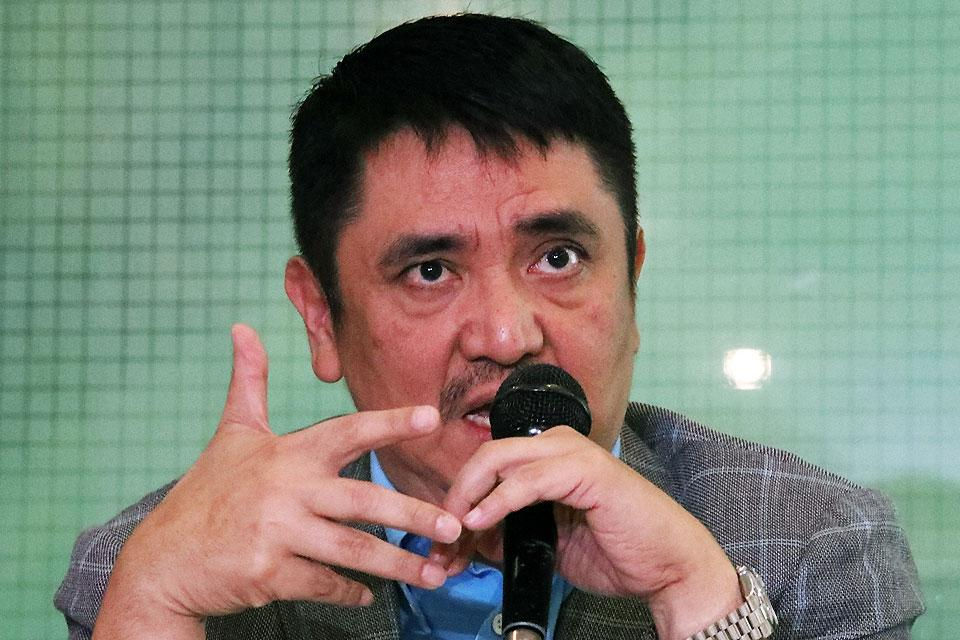

A new controversy is unfolding around the government’s multibillion-peso flood control program, as Ombudsman Jesus Crispin Remulla confirmed that former Pampanga lawmaker Aurelio “Dong” Gonzales Jr. is among several politicians now under scrutiny for alleged covert involvement in public works contracting. The case has revived an old but persistent allegation in Philippine politics: lawmakers who quietly act as their own contractors, or what critics have come to call “shadow contractors.”
Remulla disclosed that Gonzales is part of an expanding probe into legislators accused of owning or operating construction companies that bagged lucrative infrastructure deals from the Department of Public Works and Highways. He emphasized that this practice, long whispered about in political circles, is no longer something his office will overlook. He said the era of impunity—when public officials could allegedly secure government projects through companies linked to them—has ended, noting that such arrangements violate conflict-of-interest provisions embedded in multiple anti-corruption laws.
The Ombudsman stressed that the crackdown extends beyond a single figure. Investigators are now examining nine other elected officials suspected of doubling as private contractors, with Remulla describing the inquiry as a painstaking process complicated by the ways these relationships are concealed. He added that while some involved have taken elaborate steps to hide their business interests, others no longer bother to cover their tracks, making them the first targets of the widening probe.
Gonzales, for his part, maintains that there is nothing new to the accusations. Speaking by phone, he said he welcomes any official scrutiny but insists the allegations being revived against him were dismissed by the same office two years ago for lack of merit. He described the issue as recycled, repeating his position that he is unaware of any new formal investigation concerning prohibited interests.
The fresh attention on Gonzales comes as the flood control scandal continues to rattle the political establishment, following high-profile confiscations, subpoena orders, and looming court cases linked to questionable project allocations. Remulla’s statements signal a tougher stance by the Ombudsman, one that appears aimed not just at individual personalities but at dismantling a long-standing system where public works and private profit allegedly blur into one.
Whether the probe leads to charges or yet another cycle of accusations and denials remains to be seen. What is clear is that the government’s anti-corruption machinery is once again casting a bright light on one of the most guarded corners of the infrastructure sector—where influence, contracts, and political power have often intersected in ways the public rarely sees.