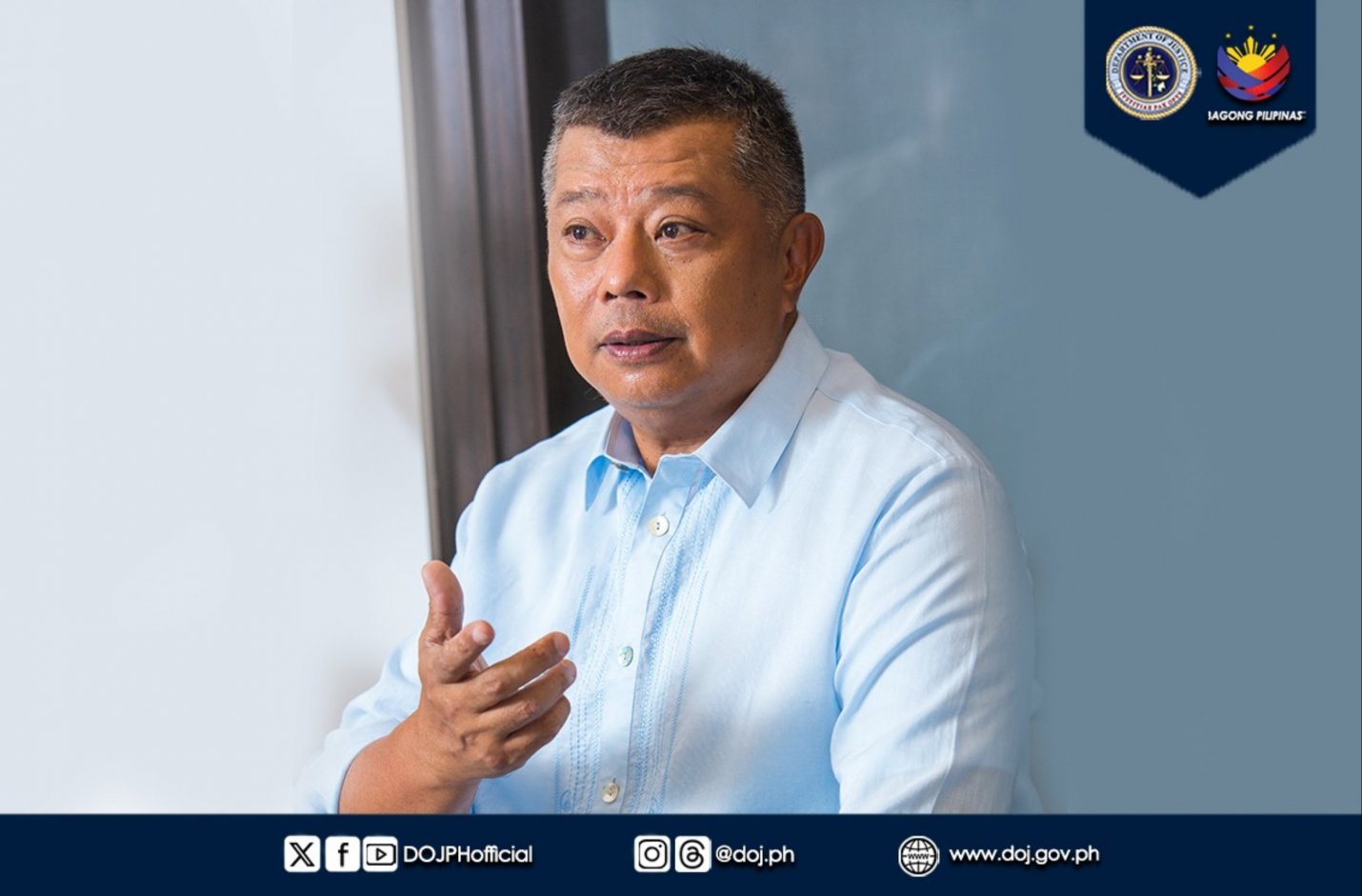

Ombudsman Jesus Crispin Remulla has hinted at reopening one of the country’s most controversial pandemic-era corruption cases—the 2021 Pharmally Pharmaceutical Corporation scandal—saying “unfinished business” remains in the pursuit of accountability.
In his first major policy statement since assuming office, Remulla said the Ombudsman’s team is assessing the voluminous Senate records and audit reports that exposed irregularities in the government’s multibillion-peso COVID-19 supply contracts.
“We’ll take a look at that because it seems like it’s been forgotten, buried in oblivion,” Remulla told reporters. “Cases like these shouldn’t fade away, because the allegations were serious and the people deserve closure.”
The Pharmally case erupted in 2021 after it was revealed that the small company—registered with only P625,000 in paid-up capital—won pandemic supply contracts worth more than P8.6 billion from the Procurement Service of the Department of Budget and Management (PS-DBM).
Senate investigations at the time unearthed questionable transactions, alleged overpricing, and links to individuals close to then-President Rodrigo Duterte’s administration. But despite months of televised hearings and fiery exchanges, no major criminal convictions followed.
“The Senate did its part, but things stalled after that,” Remulla said. “The Ombudsman must decide if the evidence then—and whatever can still be gathered now—warrants formal charges.”
Asked whether the revived investigation could implicate Duterte or his former officials, Remulla remained cautious. “The responsibility will always depend on the evidence,” he said. “We will go as far as the evidence takes us.”
The statement marks a notable shift in tone from previous years, when inquiries into Pharmally appeared to have been politically shelved. Legal observers note that under Remulla’s watch, the Ombudsman could re-examine the financial trail left by Pharmally’s key executives, some of whom fled the country or faced tax evasion complaints.
Transparency advocates welcomed Remulla’s remarks, saying it could restore public confidence in the government’s anti-corruption machinery. “Reopening Pharmally would send a strong message that impunity is not permanent,” said lawyer Tony La Viña, a governance expert.
For many Filipinos who followed the hearings during the height of the pandemic, the Pharmally affair remains a symbol of greed amid crisis—a time when protective gear and test kits meant for health workers allegedly became vehicles for profiteering.
Whether the Ombudsman can translate those memories into indictments remains to be seen. But as Remulla put it, “Justice may be delayed, but it should never be forgotten.”