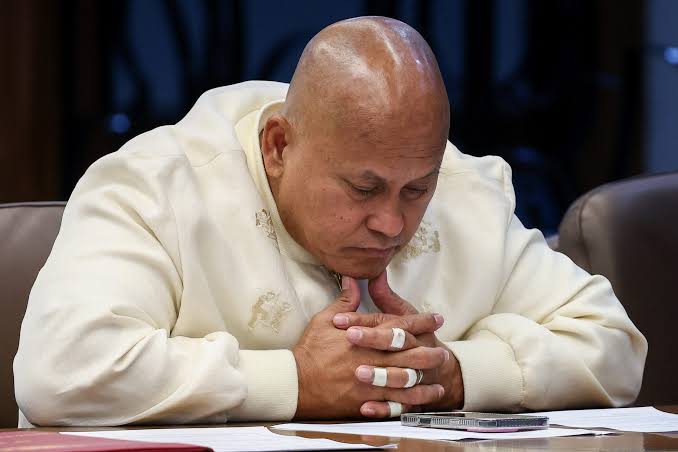
Executive Secretary Ralph Recto – Photo from Ralph Recto/Facebook
Executive Secretary Ralph Recto said the government’s zero balance billing (ZBB) policy should also protect middle-income Filipinos who face financial strain from costly hospital stays, not only the poorest patients.
Recto said he raised the issue in a recent meeting with officials of the Department of Health (DOH) and the Philippine Health Insurance Corp. (PhilHealth), stressing the need to ensure that the ZBB program in selected government hospitals is fully funded and consistently applied.
He said discussions with Health Secretary Teodoro Herbosa and PhilHealth president and chief executive officer Edwin Mercado focused on improving system-wide implementation so that patients experience real relief from hospital expenses.
Recto also urged PhilHealth to review and expand its benefit packages, particularly for contributing members from the middle class, noting that regular premium payments should translate into more substantial health coverage.
Under the ZBB program, patients admitted to basic or ward accommodations in DOH-run hospitals are not required to pay hospital or professional fees out of pocket, as these are covered by PhilHealth benefits and hospital operating budgets. The policy does not apply to private rooms, where standard copayments remain in effect.
The DOH reported that more than 1.3 million patients nationwide were billed zero pesos in government hospitals last year, with tens of billions of pesos in hospital charges fully absorbed under the program. Additional funds in the 2026 national budget were earmarked to expand ZBB coverage to selected local government-run hospitals and specialty centers.
Recto said stronger coordination among national agencies and local governments would be crucial to sustaining the program, adding that health financing reforms should ease the burden of medical costs for Filipinos across income levels.