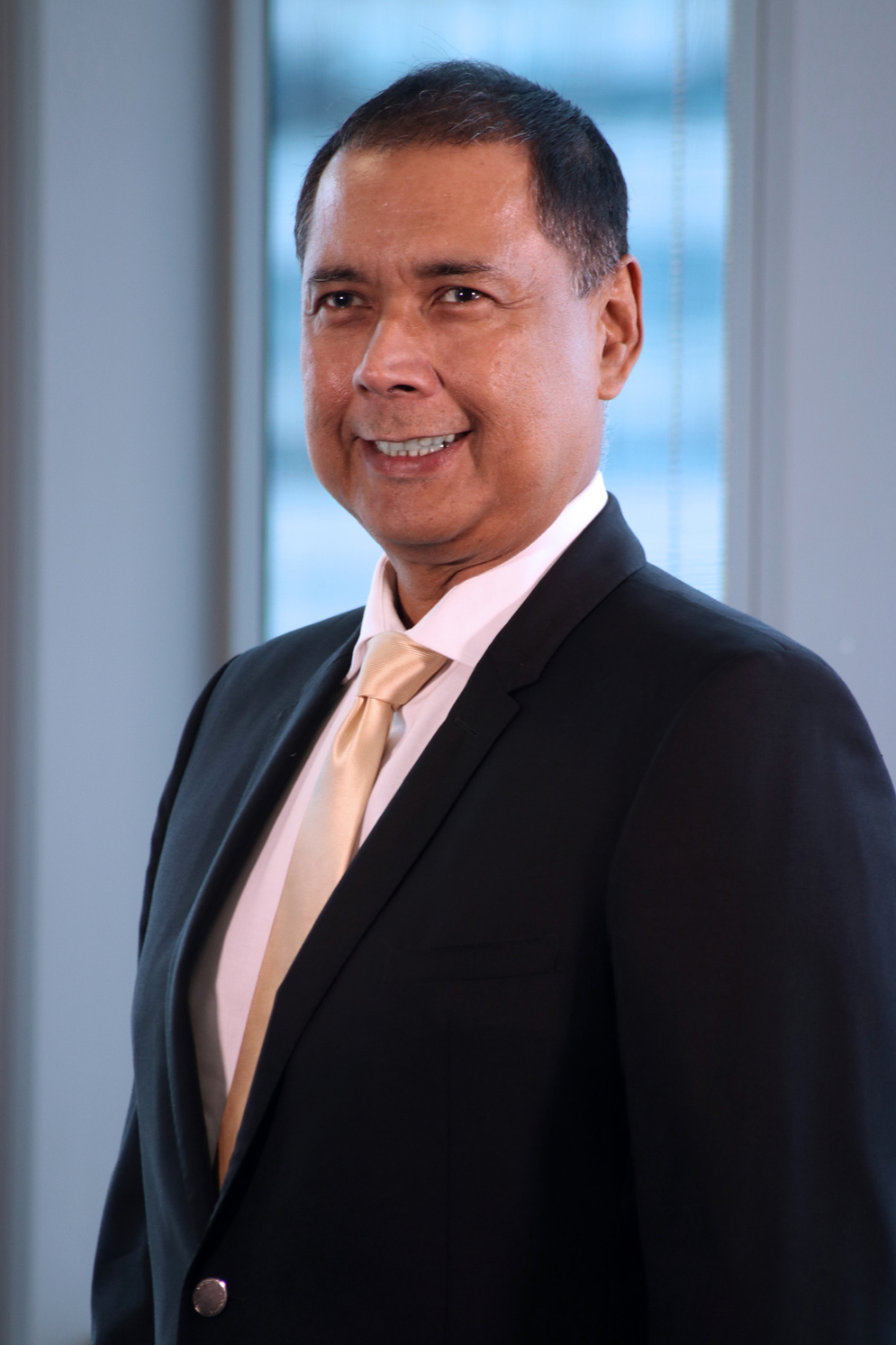

Attracting long-term capital isn’t just about showcasing opportunities—it’s about creating trust. For Valentino S. Bagatsing, Chairman and CEO of Investment and Capital Corporation of the Philippines (ICCP), policy stability is the single most important factor that convinces investors to stay for the long haul.
“Risk is part of any business endeavor,” Bagatsing explained. “What investors cannot accept is uncertainty—especially when the rules change halfway through. You cannot enter into a 20-year project and have the rules change at year five or ten.”
The Philippine capital market continues to lag behind its regional peers, a reality that underscores Bagatsing’s point. The Philippine Stock Exchange lists fewer than 300 companies. By comparison, Vietnam has around 750, Thailand over 850, and Indonesia more than 900.
What makes the gap more striking is history: Vietnam once looked to Manila for guidance in establishing its stock exchange. Today, its market capitalization is about 70% of GDP—several times larger than the Philippines relative to its economic size. The difference? Policy discipline, predictability, and consistency.
Bagatsing warns that reversals and predatory roadblocks do more than create setbacks—they erode confidence. For investors, risk can be priced in, but broken commitments cannot.
“The Philippines is not short on opportunity,” he said. “But opportunity alone isn’t enough. What matters most is that investors can trust governance, rely on long-term agreements, and see transparency when adjustments are needed.”
The message is clear: if the Philippines wants to attract the kind of capital that builds critical infrastructure, stability must become the foundation of growth.