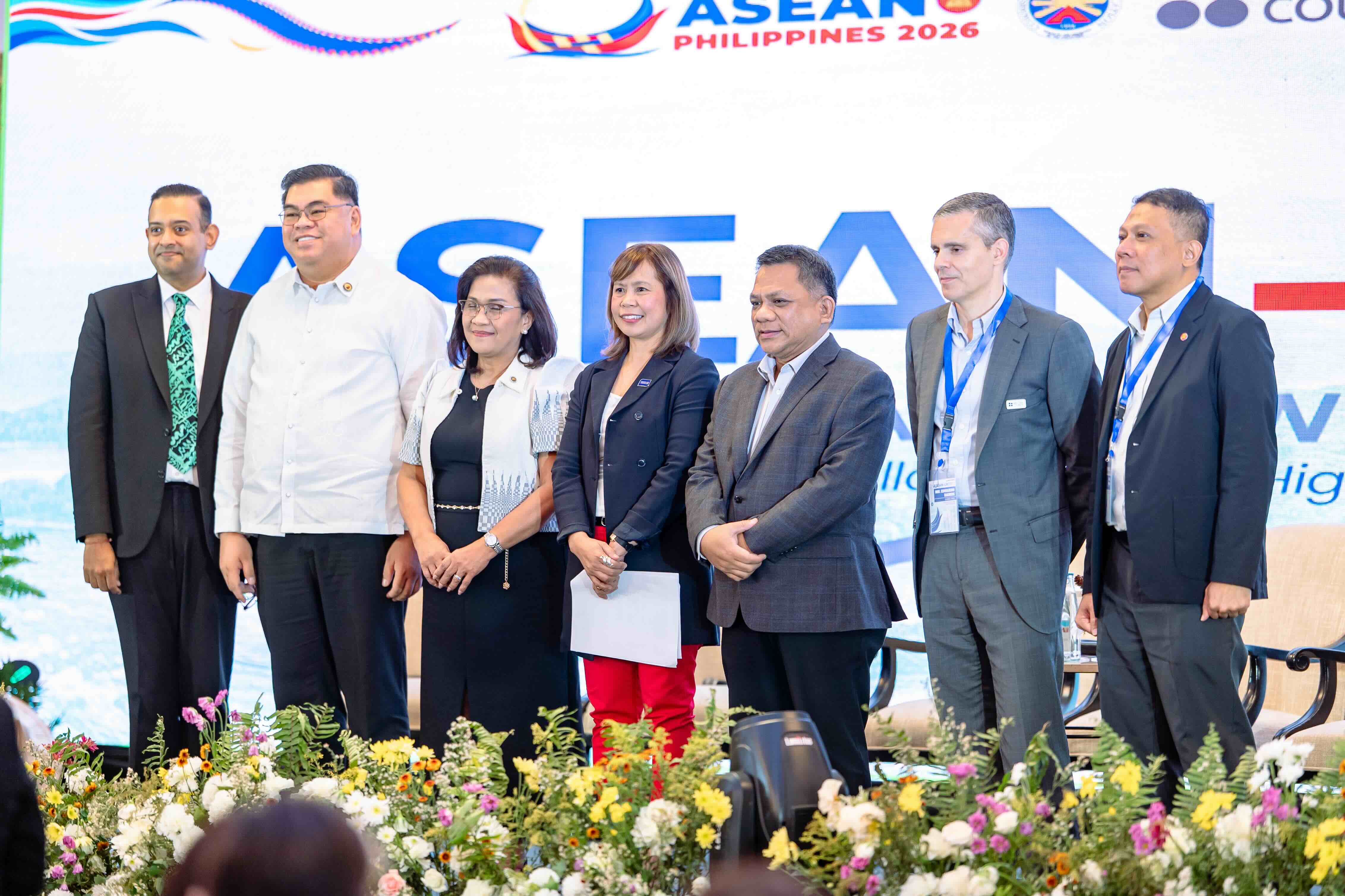

The British Council and the Commission on Higher Education (CHED) brought together senior policymakers, university leaders, researchers and international education partners from across ASEAN and the United Kingdom for ASEAN-UK Higher Education Week 2026, held in Manila on 3–4 November.
With higher education systems facing growing demands for new skills, international learning opportunities and stronger research capabilities, the gathering provided a platform to explore how transnational partnerships can respond to these priorities. Among its major developments was the launch of the Philippines’ Transnational Higher Education (TNHE) Strategy, which aims to expand access to international education and strengthen the country’s academic engagement with institutions overseas.
The event gathered 384 participants, including representatives from 36 Philippine higher education institutions and delegates from the United Kingdom, ASEAN member states and the ASEAN Secretariat. At the heart of the discussions was a shared interest in broadening access to higher education and making higher education more responsive to the needs of students, institutions and economies across the region.
The gathering coincided with the 80th anniversary of diplomatic relations between the Philippines and the United Kingdom, providing an opportunity to build on established education ties while opening new avenues for cooperation with institutions across Southeast Asia.
Expanding Opportunities Through Transnational Higher Education
The official launch of the Philippines’ TNHE Strategy, led by CHED Chairperson Dr. Shirley C. Agrupis, marked a significant development in the country’s efforts to strengthen its international education landscape.
The strategy seeks to widen access to international learning opportunities for Filipino students while supporting Philippine universities in developing stronger relationships with overseas institutions. It reflects the country’s ambition to expand its participation in global academic networks and establish itself as a destination for international education partnerships.
CHED outlined four priorities for implementation: developing and retaining local talent, attracting international students and academics, building long-term academic partnerships, and addressing shared regional challenges through education and research.
To support these priorities, CHED plans to introduce grants for joint postgraduate programmes, scholarships, faculty development and regional university consortia. It also plans to streamline the education visa process and align transnational qualifications with the Philippine Qualifications Framework. The rollout is set to begin in 2027 with the establishment of an interagency council and the development of grant and visa frameworks. The first grant cohorts are expected by 2029.
“International cooperation has an important role in improving the quality and accessibility of higher education in the Philippines. Through our Transnational Higher Education Strategy, we aim to create opportunities for Filipino learners while enabling our universities to develop stronger international partnerships. We look forward to working with our counterparts across ASEAN and the United Kingdom to turn these opportunities into meaningful programmes that benefit our students and institutions,” said Dr. Shirley C. Agrupis, Chairperson of the Commission on Higher Education.
Advancing ASEAN-UK Cooperation in Higher Education
As universities adapt to changing expectations from students and employers, international cooperation is becoming increasingly relevant to how institutions develop their programmes, strengthen research capabilities and prepare graduates for the future.
These priorities shaped the exchanges during ASEAN-UK Higher Education Week, where policymakers and university leaders examined opportunities to improve academic mobility, strengthen cross-border education arrangements and encourage closer cooperation in teaching and research.
“The UK and ASEAN share a longstanding commitment to education as a driver of sustainable growth, innovation and regional prosperity. ASEAN-UK Higher Education Week highlights the strength of our partnership and our shared ambition to equip current and future generations with the knowledge, skills and international connections needed to succeed in a rapidly changing world. Through initiatives such as this, we can deepen collaboration between our institutions, strengthen people-to-people links and build a more resilient and interconnected region.” Said Helen Fazey, Ambassador, UK Mission to ASEAN.
The conversations extended to the longer-term direction of higher education, including how institutions can respond to technological developments and changing workforce requirements. Participants considered the potential of collaborative research and innovation to address shared challenges, alongside approaches to strengthening educational quality and international engagement.
“Higher education has the potential to open new pathways for students while helping universities respond to changing needs. The British Council has long supported connections between education institutions across the UK and ASEAN, creating opportunities for knowledge exchange and collaborative learning. Through this gathering, we hope to deepen those relationships and encourage partnerships that deliver lasting benefits for institutions and the communities they serve,” said Lotus Postrado, Country Director of the British Council Philippines.
The United Kingdom’s longstanding academic relationships with ASEAN provided a foundation for conversations on how universities can contribute to regional development through research, innovation and talent development.
“Universities play an important role in developing the talent and research capabilities that our economies will need in the years ahead. The UK and ASEAN have established strong academic relationships, and we have an opportunity to build on that foundation through closer cooperation in research and innovation. By bringing our institutions together, we can encourage new approaches to shared challenges and create lasting opportunities for future generations,” said Sir Steve Smith, UK Government International Education Champion.
Building a Foundation for Long-Term Partnerships
Opportunities for institutional collaboration formed another important part of the gathering. A dedicated university partnership programme connected institutions from ASEAN and the UK to explore potential joint academic initiatives, research partnerships, and student and faculty exchanges.
Attention turned to how cooperation could continue after the event, with participants exploring the potential establishment of a UK-ASEAN Higher Education Policy and Practice Dialogue Series. The proposed initiative could create a regular avenue for policymakers and institutions to share expertise, address common challenges and identify priorities for future collaboration.
The relationships developed through ASEAN-UK Higher Education Week provide a starting point for deeper engagement between universities and policymakers. Sustaining these connections could help translate shared priorities into academic and research partnerships, supporting higher education systems that are better equipped to meet the region’s evolving needs and expand opportunities for students, educators and researchers.