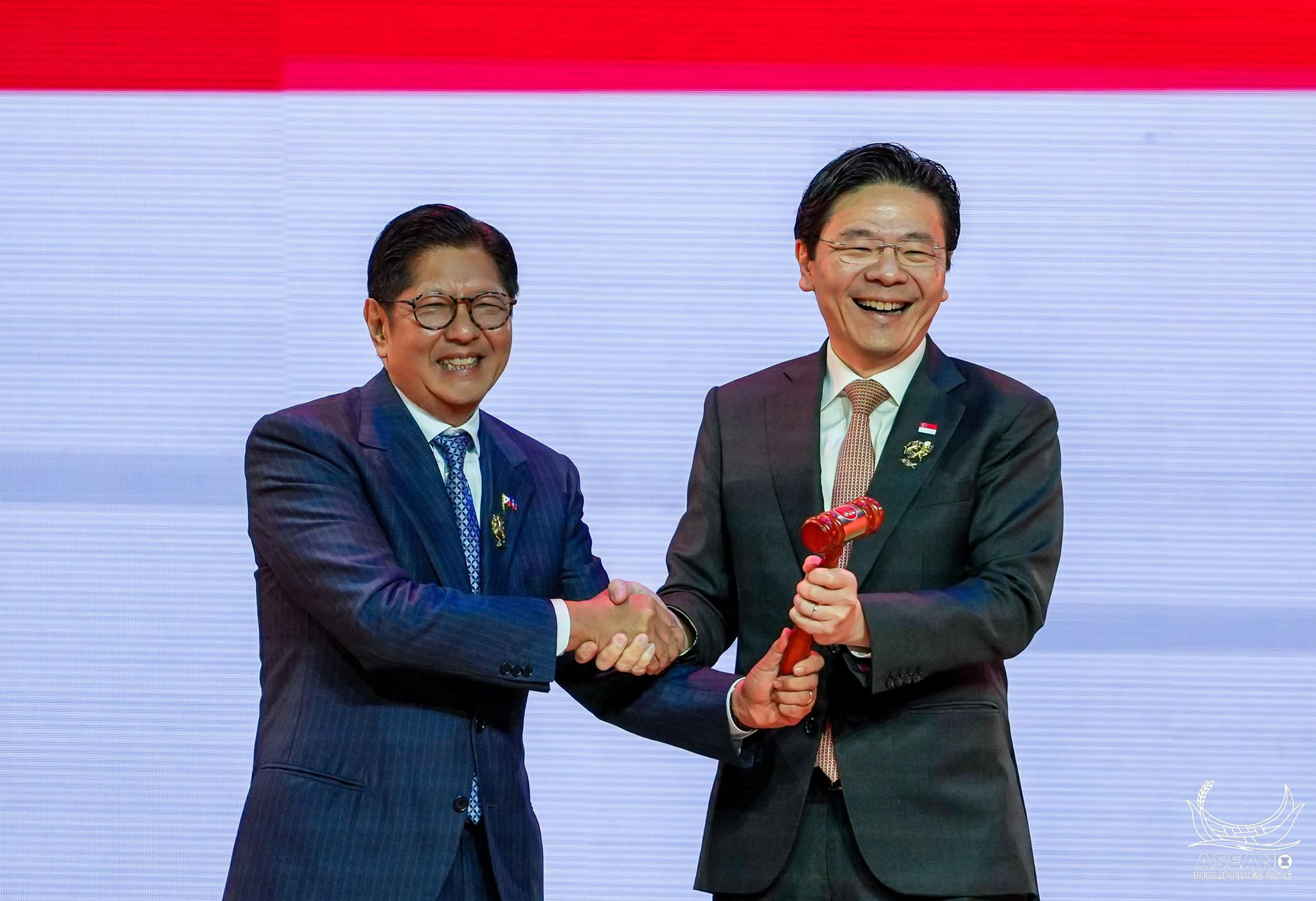

MANILA, Philippines — President Ferdinand Marcos Jr. reaffirmed the Philippines’ commitment to ASEAN unity and regional cooperation as the country concluded its 2026 chairship of the Association of Southeast Asian Nations, with Singapore set to assume the leadership of the regional bloc in 2027.
Marcos emphasized that ASEAN’s strength lies in its collective ability to address shared challenges, including energy security, economic stability, maritime security, technological development, and climate change.
He stressed that regional cooperation should produce tangible benefits for Southeast Asia’s people, particularly through better economic opportunities, safer communities, and improved living conditions.
The President underscored the importance of unity and shared responsibility in responding to increasingly interconnected regional and global challenges.
As the Philippines wrapped up its year-long chairship, Marcos called for sustained cooperation among ASEAN member states to strengthen regional resilience and ensure that economic and security initiatives deliver meaningful results.
The conclusion of the Philippine chairship was marked by a cultural showcase highlighting Filipino heritage, artistic talent, and hospitality.
The celebration reflected the country’s efforts to promote its cultural identity while hosting regional leaders and international partners during the 49th ASEAN Summit and Related Summits.
Meanwhile, Singapore Prime Minister Lawrence Wong congratulated the Philippines on its chairship, recognizing developments in digital economy cooperation, regional trade integration, and Timor-Leste’s integration into ASEAN.
These initiatives formed part of the regional bloc’s continuing efforts to deepen economic connectivity, expand opportunities for businesses, and strengthen cooperation among member states.
Digital economy cooperation remains an important priority for ASEAN as member countries work to improve cross-border digital services, facilitate electronic transactions, and support businesses participating in regional markets.
Trade integration also remains central to ASEAN’s economic agenda, with member states seeking to reduce barriers and improve market access across Southeast Asia.
Timor-Leste’s integration into the regional organization represents another significant development in ASEAN’s efforts to strengthen regional inclusion and cooperation.
With Singapore preparing to take over the chairship in 2027, the regional bloc is expected to continue pursuing deeper economic integration, stronger partnerships, and coordinated responses to emerging challenges.
The transition comes as ASEAN approaches its 60th anniversary, marking six decades since the organization’s establishment in 1967.
The Philippines pledged its full support for Singapore’s incoming chairship, emphasizing the importance of maintaining continuity in regional initiatives and preserving ASEAN’s central role in addressing regional issues.
The Marcos administration also reiterated the country’s commitment to working with fellow member states on economic development, security cooperation, climate resilience, and technological advancement.
Marcos emphasized that ASEAN’s future depends on sustained cooperation and the willingness of its members to address common concerns collectively.
The conclusion of the Philippine chairship marks a leadership transition for the regional organization, with Singapore taking responsibility for guiding ASEAN’s agenda in 2027.
For the Philippines, the transition also provides an opportunity to build on initiatives advanced during its chairship while continuing to participate in regional efforts to promote stability, economic growth, and shared prosperity.
The President maintained that ASEAN’s progress must ultimately be measured by improvements in the lives of its people, underscoring the importance of turning regional commitments into concrete benefits for communities across Southeast Asia.