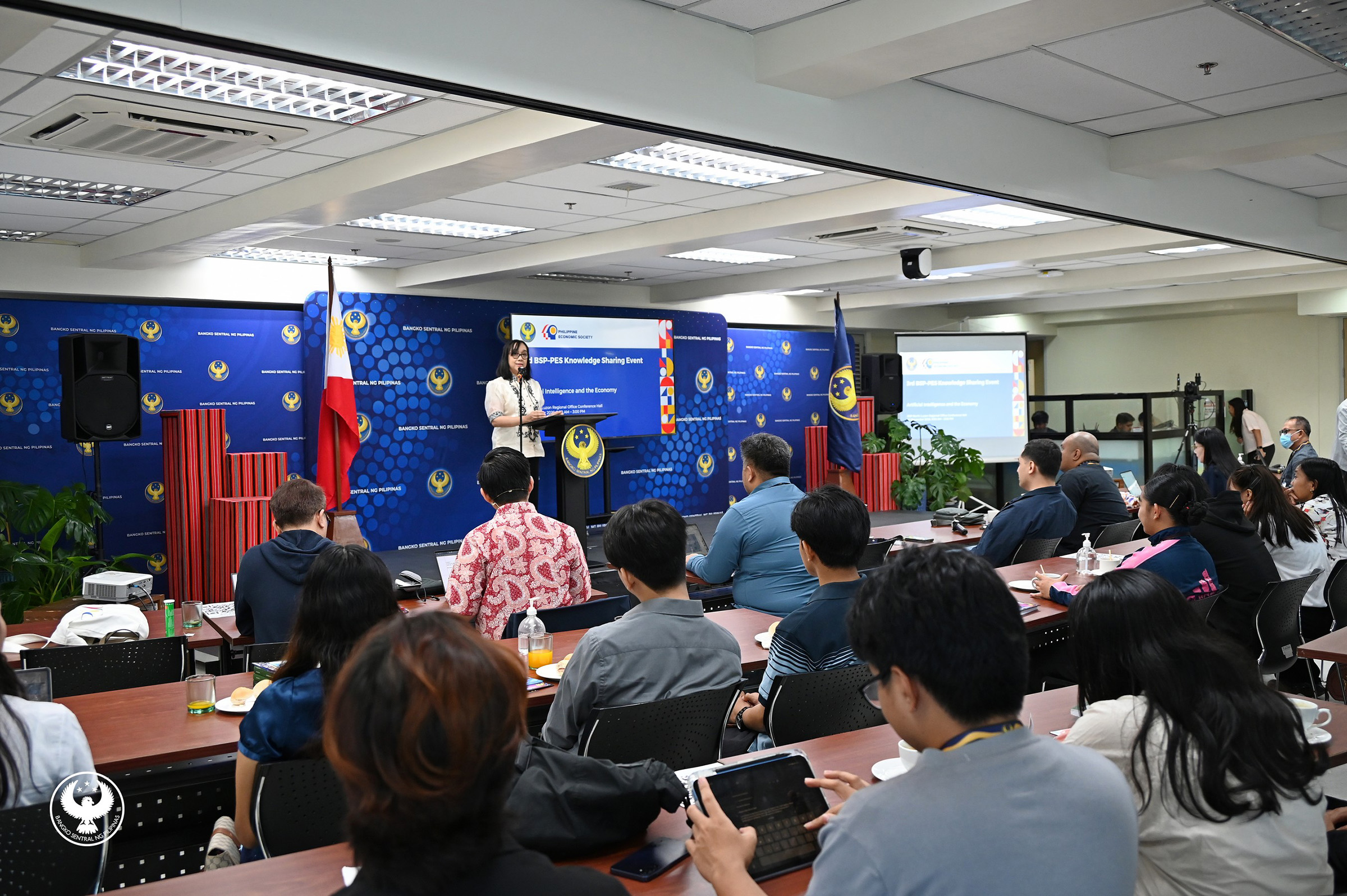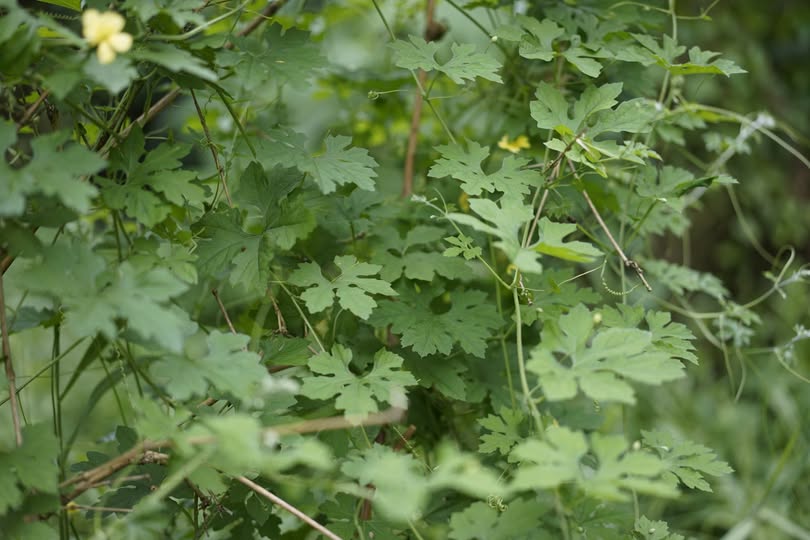

(Photo courtesy of UP Manila/Senior Researcher Essel Tolosa)
MANILA – A locally developed ampalaya (bitter melon) herbal medicine for managing Type 2 diabetes is being eyed for wider distribution in the Philippines and expansion into Southeast Asian markets.
The University of the Philippines (UP) Manila has entered into a partnership with Strengthmed Corp. to commercialize the ampalaya tablets, bringing the Filipino-developed pharmaceutical innovation closer to patients across the country and potentially throughout the ASEAN region.
UP Manila Chancellor Michael Tee said the medication was developed through local scientific research aimed at addressing the healthcare needs of patients with diabetes.
Unlike commercially available dietary supplements, the ampalaya tablets are classified as herbal medicine and have undergone rigorous scientific testing to establish their safety and efficacy.
Strengthmed Corp. expressed optimism over the product’s commercial potential, citing opportunities to introduce the locally developed medication to international markets.
“We are optimistic that the ampalaya tablets will be well-received by patients in the ASEAN region because it is backed up by science. We are preparing to join international conventions and trade fairs and bring this Filipino innovation overseas,” Strengthmed Corp. president Emmanuelle Galero said.
The initiative comes amid the growing global burden of diabetes. According to the World Health Organization (WHO), the number of people living with diabetes worldwide increased from 200 million in 1990 to 830 million in 2022.
Diabetes can lead to serious health complications, including kidney failure, heart attacks, stroke, blindness and lower-limb amputation.
Decades of scientific research
The development of the ampalaya medication stems from decades of research by Filipino scientists.
In 2006, UP Manila researchers Dr. Nelia Maramba-Lazarte, recognized as the “Mother of Philippine Herbal Medicine,” and Dr. James Purificacion completed Phase 3 clinical trials on the ampalaya-based medication.
Following the research findings, then Health Secretary Francisco Duque III reinstated ampalaya as one of the country’s scientifically validated medicinal plants.
Maramba-Lazarte, who also serves as program leader of the National Integrated Research Program on Medicinal Plants, emphasized the importance of distinguishing scientifically validated herbal medicines from ordinary dietary supplements.
“Not all herbal products are created equal. Iba ang supplement sa (Supplements are different from) herbal medicine. For herbal medicines, we need scientific evidence. It took several decades of research to bring this product from the farm to the drug stores,” she said.
The memorandum of agreement between UP Manila and Strengthmed Corp., signed on November 13, marks a significant step toward the commercialization of Filipino-developed herbal medicine and the potential expansion of locally produced pharmaceutical innovations into international markets.