
By Ma. Teresa Montemayor
MANILA – The Pharmaceutical and Healthcare Association of the Philippines (PHAP) on Friday called for expanded medicine coverage under Philippine Health Insurance Corp. (PhilHealth) programs and faster treatment assessments to help reduce patients’ out-of-pocket expenses.
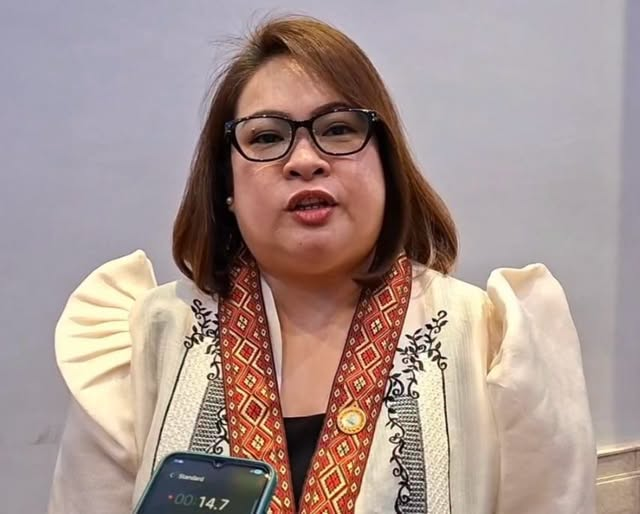
In an interview on the sidelines of a health forum, PHAP president Dr. Diana Edralin said the association is ready to share data, expertise, and systems to help streamline processes under the government’s Unified National Agenda for Health.
She said PHAP is working with the Department of Health (DOH) and PhilHealth to expand the Guaranteed Accessible Medications for Outpatient Treatment (GAMOT) program to cover more medicines listed in the formulary.
However, delays in Food and Drug Administration (FDA) approvals, health technology assessment (HTA) reviews, and updates to the Philippine National Formulary (PNF) remain challenges, she said.
“Kapag hindi updated ang ating PNF or ‘pag mabagal ang approval process sa FDA or very slow HTA assessment, hindi magiging accessible ang medicines (If our Philippine National Formulary is not updated, or FDA approval or HTA assessment is slow, medicines will not become accessible),” Edralin said.
The GAMOT program covers 75 essential medicines for conditions including hypertension, cardiovascular disease, diabetes, high cholesterol, asthma, chronic obstructive pulmonary disease, infections, pain and inflammation, allergies, and nervous system disorders.
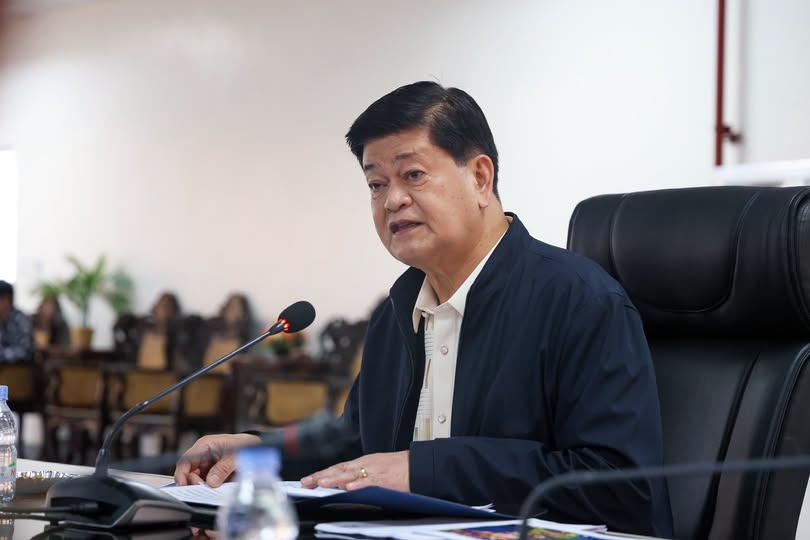
FDA Officer-in-Charge Director General Franklin Anthony Tabaquin said the agency recognizes the need to improve regulatory processes through streamlined procedures, stronger technical capacity, digitalization, and appropriate reliance on assessments by trusted regulatory authorities.
“But let me emphasize that improving regulatory efficiency does not mean compromising the quality, safety, and efficacy of medicines,” he said.
“Our responsibility is to protect public health while ensuring that unnecessary regulatory delays do not become additional barriers to treatment.”
Tabaquin said pharmaceutical companies could help bring medicines to patients more efficiently by submitting complete regulatory applications, complying with requirements and pursuing responsible innovation.
Edralin said PHAP was willing to discuss and negotiate with the government and work with pharmacies to ensure that expanded coverage is backed by reliable medicine supplies, including cancer treatments.
The association also offered to help PhilHealth develop appropriate costing for its Z benefit packages to ensure that they cover the medicines needed throughout treatment.
Citing liver cancer as an example, Edralin said a medicine’s inclusion in the formulary did not automatically mean it was covered by a PhilHealth benefit package.
She said coverage should account for complete treatment regimens, including combinations of medicines.
Cancer treatment coverage
Speaking during Breast Cancer Awareness Month, Edralin cited the increase in PhilHealth’s breast cancer benefit package from PHP100,000 to PHP1.4 million.
While welcoming the increase, she called for further review of the package to ensure it adequately covers the required monitoring and treatment cycles.
“So, gusto natin na yung buong spectrum na ‘yun hanggang makumpleto niya ‘yung treatment dapat, lahat kasama ‘yun (So, we want the entire spectrum of care, until the patient completes treatment, to be included),” she said.
Edralin also called for broader access to treatments for different types of breast cancer, including those involving human epidermal growth factor receptor (HER2), as well as lung cancer and lymphoma.
She said medicines that have undergone assessment should be promptly included in the formulary and provided with financing support. Their inclusion would also allow the government to purchase in bulk and negotiate lower prices.
Medicines for remote communities
For geographically isolated communities, Edralin proposed expanding the network of accredited GAMOT providers and ensuring that barangay health centers have adequate medicine supplies and budgets.
She said commonly needed medicines, particularly those for diabetes and hypertension, should be readily available through community health facilities.
Edralin also cited a proposed regulatory sandbox that would explore allowing one pharmacist to oversee multiple pharmacies in geographically isolated areas.
She said the initiative could help address difficulties in establishing pharmacies amid a shortage of pharmacists, although implementing the changes would take time.
Asked about the extent of the shortage, Edralin said she did not have figures available but noted that pharmacists, like other health professionals, seek employment opportunities abroad.
PHAP is encouraging more students to pursue pharmacy while exploring ways to address workforce gaps that could limit access to medicines, she added.
Timelines and accountability
Edralin urged the government and industry to document commitments, establish timelines, and follow through on measures discussed during the forum.
She said improving medicine access required coordinated action across FDA registration, HTA, DOH formulary listing, PhilHealth financing, and actual procurement by national and local governments.
“I want us to think na it doesn’t stop in the PNF. It has to go all the way to the actual purchasing of the medicines para maging available at maibigay nang libre sa taong bayan (I want us to think that it does not stop at the PNF. It has to go all the way to the actual purchasing of medicines so these become available and can be provided free to the public),” she said.
Edralin stressed that patients should remain at the center of reforms, particularly those who repeatedly seek financial assistance while undergoing treatment. (Ma. Teresa Montemayor/PNA)