Trade Secretary Ma. Cristina Roque on Wednesday said the Philippines will not retaliate against the newly imposed 17-percent US tariff on certain Philippine goods, emphasizing that the Marcos administration prefers to maintain a constructive and forward-looking trade relationship with the United States.
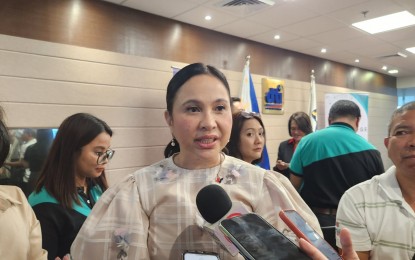
Speaking to reporters during the National Food Fair in Mandaluyong City, Roque dismissed any plans for retaliatory measures, saying, “No, we don’t have any of those. We just move on a positive note, and we really have more trade between our country and the US.”
The statement comes in the wake of former US President Donald Trump’s so-called “liberation day” economic policy, which saw a sweeping global tariff hike including a 17-percent levy on select Philippine exports starting April 9.
Roque’s comments align with recent warnings from the Asian Development Bank (ADB), which said retaliatory trade actions by developing nations could lower regional GDP growth by 0.1 percentage point in both 2025 and 2026. As part of developing Asia, the Philippines could be exposed to such risks if trade tensions escalate.
The trade secretary will participate in a virtual meeting with ASEAN Economic Ministers on Thursday to discuss a possible regional response to the US tariff order.
“We have a meeting on Thursday with the different ministers of ASEAN, and let’s see what we can agree on there, and see what we can do to be able to work hand in hand as ASEAN,” Roque said.
She also revealed that the Philippine economic team, following a Cabinet-level meeting on April 8, agreed to hold off on any final decisions until they hear the official positions of other ASEAN member states.
As a gesture of goodwill, Roque even suggested that the Philippines could consider lowering tariffs on some US imports to encourage dialogue.
“This could be an opportunity for both countries to open discussions on a potential free trade agreement that would eliminate certain tariffs and enhance economic cooperation,” she added.
The Marcos administration’s approach stands in contrast to more confrontational strategies being considered by other affected nations, as it looks to preserve and even deepen economic engagement with the US despite the recent policy shift.