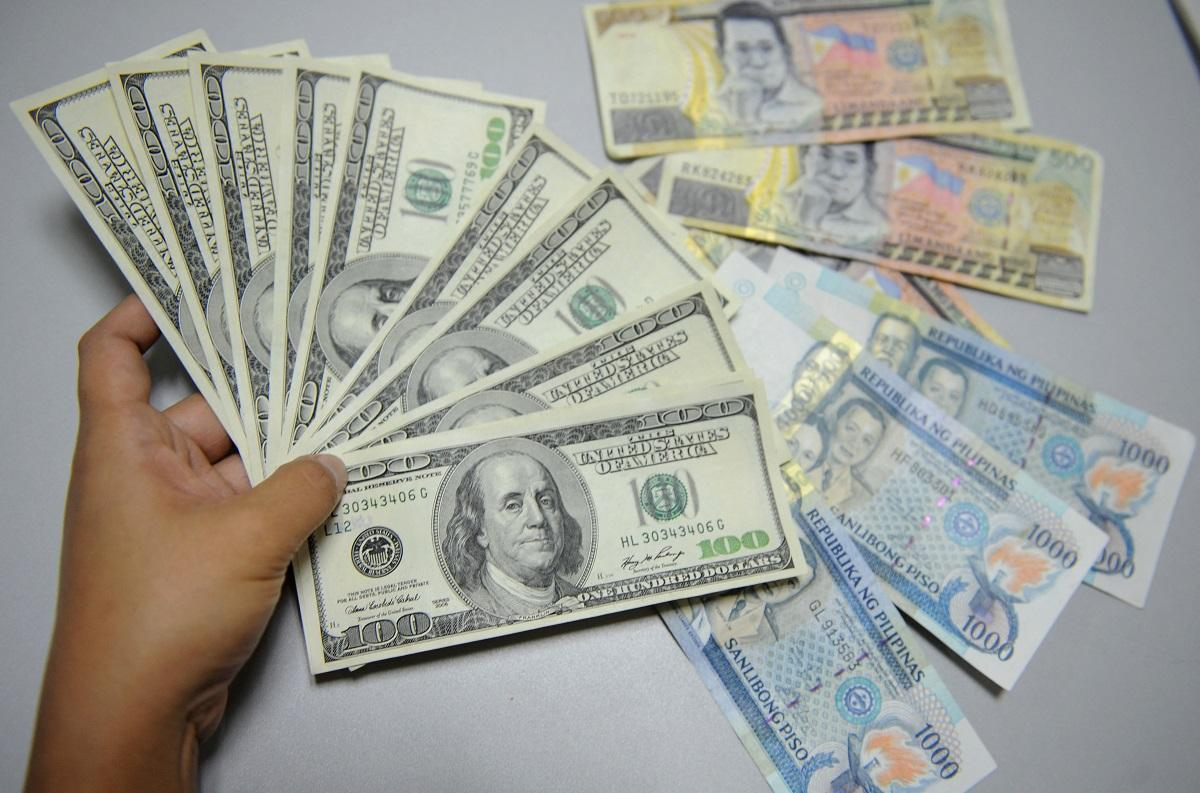

The peso sank to a historic low of 59.20 against the US dollar on Tuesday, deepening market concerns over the country’s economic momentum amid widening scrutiny of government infrastructure spending.
The local currency briefly touched the record level in early morning trade before settling at a weighted average of 59.098, data from the Bankers Association of the Philippines showed. Monday’s close at 58.90 already marked a steep drop from Friday’s 58.625, signaling continued investor caution.
The Bangko Sentral ng Pilipinas (BSP) reiterated that it would not intervene heavily to defend the peso, saying that the exchange rate should be shaped primarily by supply and demand conditions.
“Our foreign exchange operations remain focused on smoothing excessive volatility rather than defending a particular level,” the central bank said. “The country maintains healthy reserves, which allow us to manage undue swings when necessary.”
Analysts said the latest peso slide reflected mounting unease over how investigations into alleged irregularities in infrastructure projects could affect fiscal spending and, in turn, overall growth.
“Currency markets tend to price in uncertainty quickly,” one economist said. “The peso’s weakness is part reaction to political risk and part anticipation that the BSP may ease monetary policy sooner than expected.”
The central bank itself noted that the depreciation may mirror “concerns over potential moderation in economic growth due in part to the infrastructure controversy and expectations of further policy easing.”
Despite the slump, the BSP maintained that the peso remains underpinned by strong economic fundamentals. It pointed to resilient remittances from overseas Filipino workers, robust revenues from tourism and the business process outsourcing sector, and a still-manageable inflation environment as factors cushioning external shocks.
“These structural inflows continue to provide stability to the external accounts,” the BSP said.
Traders expect volatility to persist in the near term as markets await signals from both fiscal authorities and the BSP’s next policy meeting. While the peso’s slide to 59.20 has stirred memories of previous currency stress points, analysts say the country’s ample dollar reserves and improving current account position could prevent a sustained freefall.
Still, the peso’s record-low level underscores how fragile market sentiment has become—caught between confidence in the economy’s long-term resilience and anxiety over short-term governance and policy direction.