
The Philippine Coconut Authority (PCA) is working with government agencies and industry stakeholders to strengthen safety regulations for the transportation and export of coconut-based products classified as dangerous goods.
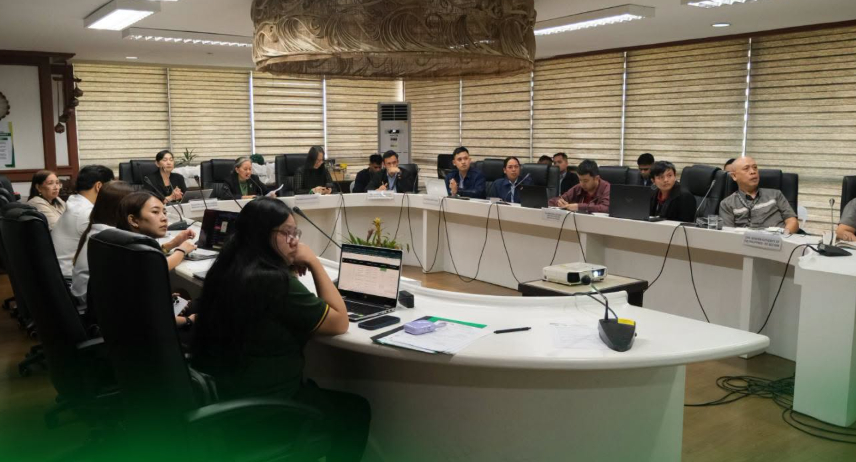
During an interagency meeting held on October 20, 2026, at the PCA Board Room and through videoconference, participants discussed challenges involving the handling, storage, and shipment of coconut shell charcoal, activated carbon, and other coconut commodities.
The meeting focused on identifying regulatory gaps, clarifying agency responsibilities, and improving requirements for product documentation, testing, packaging, labeling, inspection, and shipping.
According to the PCA, coconut shell charcoal and activated carbon are among the country’s important agricultural exports, contributing to economic activity and supporting the local coconut industry.
However, incidents involving improperly handled or misdeclared cargo have raised concerns over maritime safety and compliance with existing transportation regulations.
To address these issues, the PCA and its partner agencies are developing policy recommendations and standardized safety guidelines to improve the handling and movement of coconut-based products.
The discussions will also contribute to an upcoming public consultation and the development of the Philippine National Standard (PNS) Codes of Practice for Coconut Shell Charcoal, Coconut Shell Charcoal Briquettes, and Steam-Activated Coconut Shell Carbon.
The proposed standards are expected to provide clearer guidance to manufacturers, exporters, logistics providers, and other industry stakeholders on safe product handling and transportation.
The PCA said stronger coordination among regulatory agencies and industry players would help improve compliance, reduce shipping risks, and support the sustainable growth and competitiveness of the Philippine coconut industry.