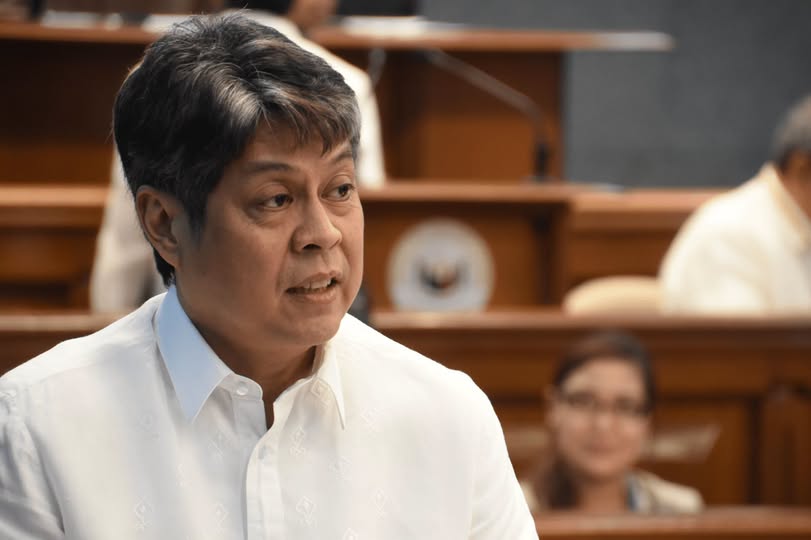

MANILA – Senator Francis “Kiko” Pangilinan said Wednesday, November 18, that his campaign promise to provide free and nutritious meals to Filipino schoolchildren is closer to becoming a reality following the finalization of the proposed National Children’s Nutrition Act by a congressional bicameral conference committee.
Pangilinan said the measure aims to address child malnutrition, hunger, poverty, and learning difficulties through an expanded government nutrition program targeting schoolchildren and other vulnerable groups.
“Ito ang pangakong hindi napako dahil sinigurado at ipinaglaban natin na maisulong ang panukalang batas na ito (This is a promise fulfilled because we made sure that this bill was advanced and fought for),” Pangilinan said in a statement.
He emphasized that poverty should never prevent children from receiving adequate nutrition, particularly when hunger affects their ability to learn and perform in school.
“Hindi dapat maging hadlang ang kahirapan sa pagkakaroon ng sapat at masustansyang pagkain ang ating mga anak. Hindi dapat may batang Pilipino na pumapasok sa paaralan nang gutom at walang kakayahang matuto dahil kulang ang kanilang kinakain (Poverty should not prevent our children from having adequate and nutritious food. No Filipino child should go to school hungry and unable to learn because of inadequate food),” he added.
The reconciled measure combines Senate Bill No. 2272 and House Bill No. 9466 and seeks to repeal and replace Republic Act No. 11037, or the Masustansyang Pagkain para sa Batang Pilipino Act.
Pangilinan initially introduced Senate Bill No. 219, or the proposed Libreng Almusal Act, which sought to institutionalize free breakfast for public school students from Kindergarten to Grade 12 and children enrolled in daycare centers nationwide.
The proposal was subsequently consolidated into Senate Bill No. 2272, also known as the proposed Expanded National Nutrition Program Act.
Under the reconciled measure, public school learners from Kindergarten to Grade 3 would receive meals through a universal school-based feeding program, regardless of their nutritional status.
For Grades 4 to 6, the program would prioritize undernourished learners to ensure that children most at risk of malnutrition receive nutritional assistance.
The legislation also proposes expanded nutrition interventions for young children, pregnant adolescent learners, and other vulnerable sectors, adopting a broader approach to addressing nutritional deficiencies at different stages of development.
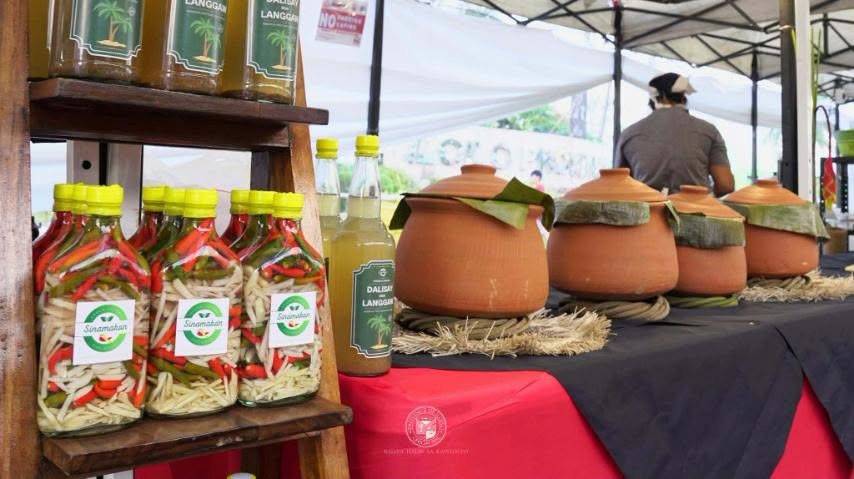
Aside from improving children’s health and school readiness, the measure seeks to support local agriculture by strengthening the participation of Filipino farmers and fisherfolk in government feeding programs.
Through direct procurement arrangements, locally produced agricultural and fishery products could be supplied to schools and other government-supported nutrition initiatives.
The proposed system is intended to create additional market opportunities for local food producers while improving access to nutritious meals among children.
With the bicameral conference committee having finalized the reconciled version, the measure must still secure ratification by both chambers of Congress before it can be transmitted to the President for approval.
Pangilinan said the legislation represents an important step toward ensuring that Filipino children have access to sufficient nutrition and better opportunities to succeed in school.