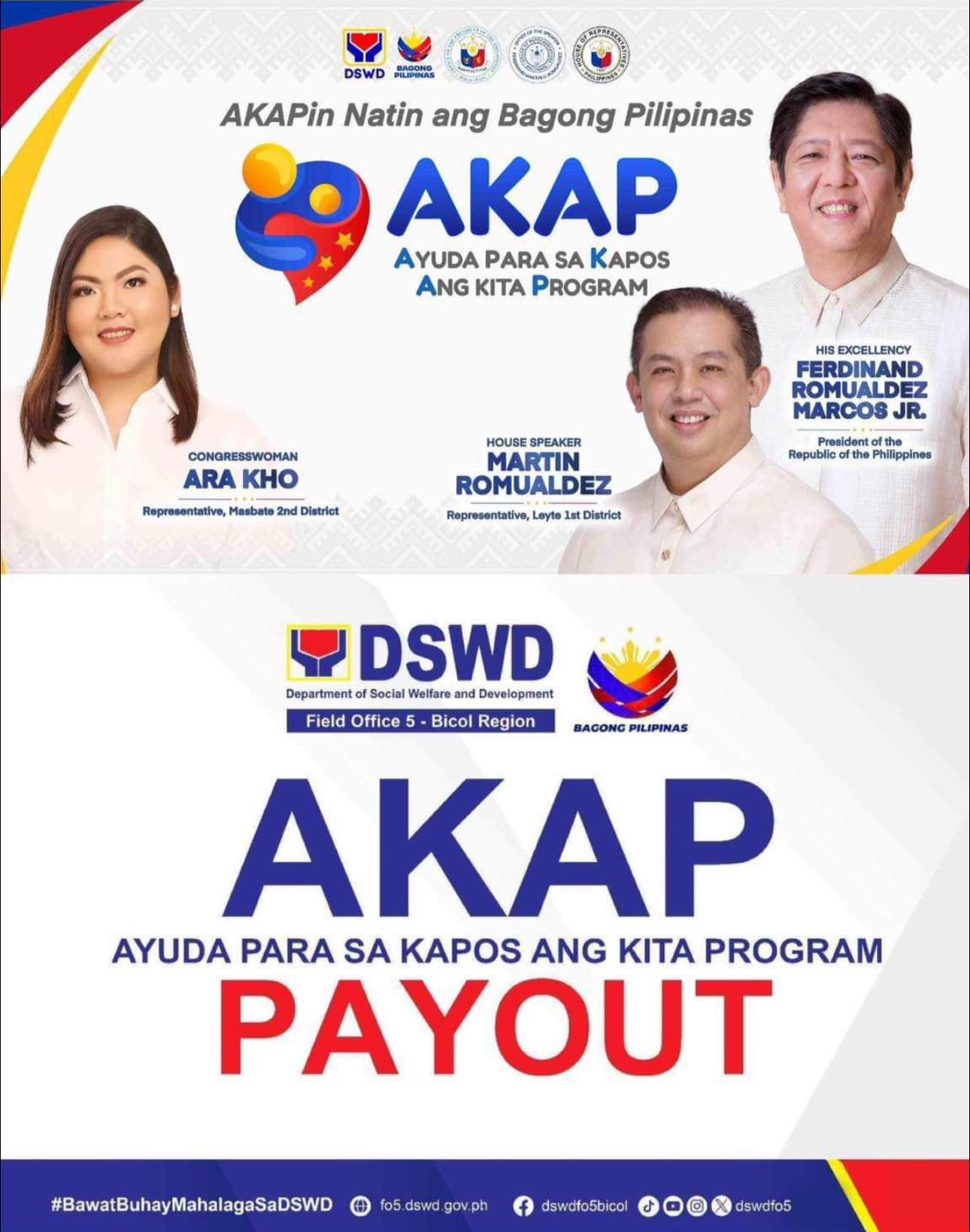

The AKAP program has been scrutinized following reports that some current officials are allegedly using it to sway voters in their favor.
“It’s difficult to halt the distribution of aid to the people. Many rely on it, especially now, with surveys showing a reported increase in hunger despite the various assistance programs we’ve implemented,” said Palace Press Officer Claire Castro. “That’s why we’re looking into where this trend is coming from.”
Castro also noted that the administration cannot simply stop the program abruptly. “Many of our fellow citizens have come to depend on this aid to meet their daily needs. Ending it suddenly would likely spark backlash, especially from those who have grown accustomed to the support,” she added.
In an effort to maintain impartiality, the Department of Social Welfare and Development (DSWD) had previously prohibited the presence of politicians and any form of campaign materials during aid distribution events.
Critics argue that AKAP’s nature as a grants-based initiative makes it susceptible to political misuse.
Under the updated guidelines, only individuals earning below minimum wage are eligible to receive aid. Assistance will be provided based on specific needs such as medical expenses, funeral costs, food, and transportation.
The program sets financial assistance limits at up to P10,000 for medical needs and up to P50,000 for burial expenses.
For 2025, the government has allocated a P26 billion budget for AKAP, aiming to support more than 5 million beneficiaries.


Baket kami hndi nalasali sa akap na yon