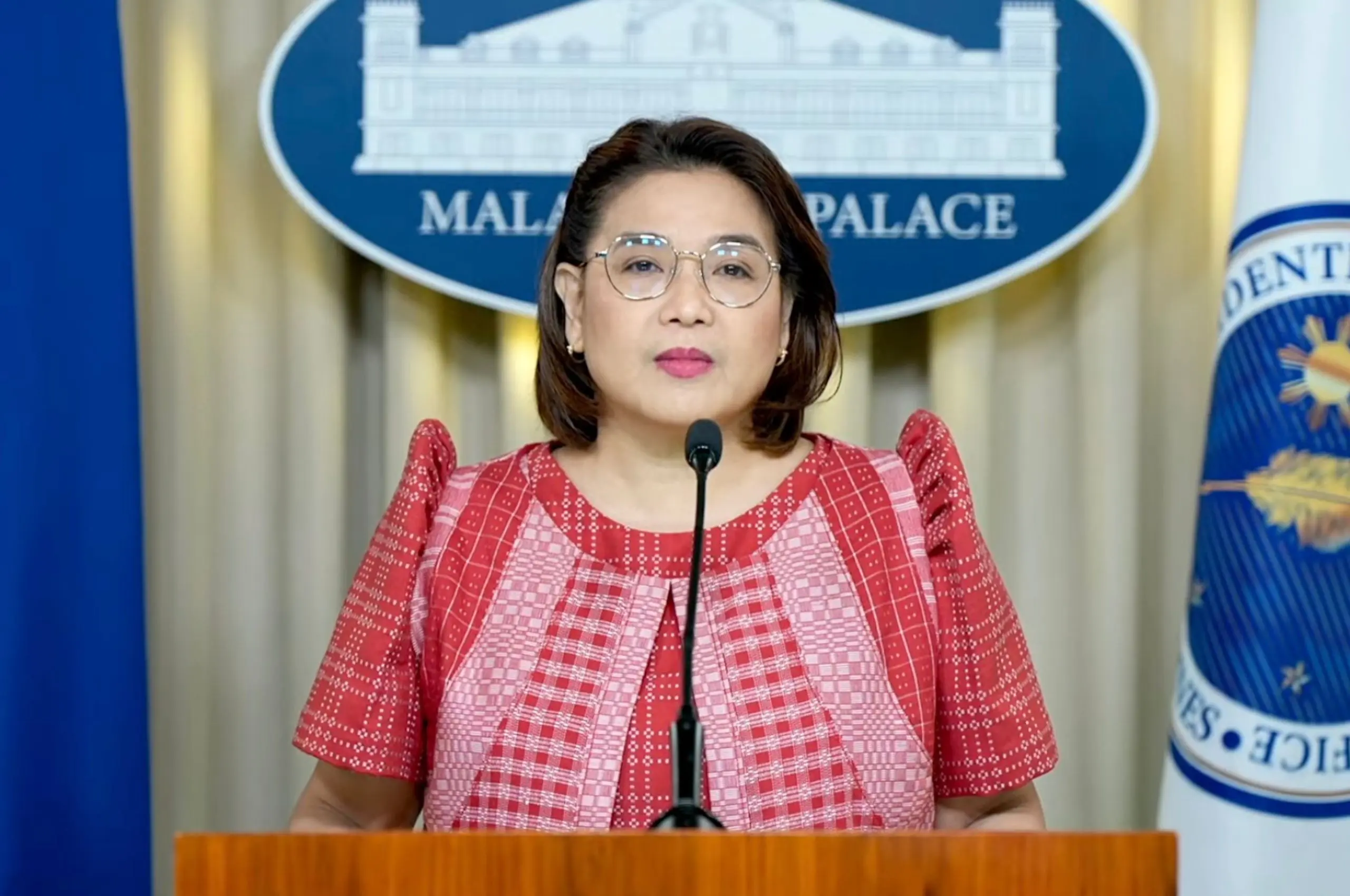

Malacañang sought to clarify on Sunday that President Ferdinand Marcos Jr. never intended to push Baguio City Mayor Benjamin Magalong out of the Independent Commission for Infrastructure (ICI), saying the controversy stemmed from a legal misinterpretation rather than political fallout.
According to Palace press officer Claire Castro, the President merely ordered a procedural review of Magalong’s dual capacity as both ICI adviser and sitting local chief executive — a precautionary move, she said, that was misread as a sign of distrust.
“The President’s instruction was purely administrative. It was not meant to question Mayor Magalong’s integrity or his role in the ICI,” Castro told dzMM. “He only wanted to ensure that the mayor’s involvement in the commission would not conflict with his duties as an elected official.”
She said Marcos had even hoped that Magalong could remain in an advisory capacity to contribute to the ICI’s mission of untangling alleged anomalies in flood control and infrastructure spending.
Castro explained that the President’s legal team was directed to study whether Magalong’s ICI role could violate constitutional provisions or the Local Government Code, which prohibit local officials from holding additional government posts that could influence their official duties.
“That was the only issue under review,” she said. “Unfortunately, before the results could be finalized, Mayor Magalong chose to resign — which was never what the President wanted.”
Magalong quit on September 26, just 13 days after his appointment, following Castro’s public remarks that the Palace wanted to review his role “to protect the integrity of the commission.”
He was later replaced by former Philippine National Police chief Rodolfo Azurin Jr.
In a Senate hearing earlier this month, Magalong claimed he was “eased out” after pressing hard on irregularities involving contractors allegedly linked to the so-called flood control cartel. He hinted that some Palace officials — including Castro — were acting on orders “from someone else,” though he stopped short of naming names.
Castro refuted those insinuations, saying neither she nor the President had any hand in maligning the mayor’s name.
“We did not accuse him of anything. We only clarified his role. If there are questions about Baguio’s projects, those are for him to explain — but not something the Palace ever used against him,” she said.
Controversial projects in Baguio
Magalong’s name surfaced in connection with a P110-million tennis court and parking building project in Baguio City, awarded in 2022 to St. Gerrard Construction, a firm owned by Pacifico “Curlee” and Cezarah “Sarah” Discaya — the couple now at the center of the ICI’s probe into alleged flood-control kickbacks.
The mayor has denied any wrongdoing, branding the accusations as “below the belt.” He has since ordered a third-party audit of all projects awarded to the Discayas in the city.
While Palace officials insist Magalong’s exit was self-initiated, his departure has deepened questions about the independence of the ICI — a body formed by Marcos to restore public confidence in the government’s infrastructure spending.
“The irony,” a senior administration official privately remarked, “is that both sides claim to be protecting the same thing — integrity.”
For now, the Palace maintains that there was never a falling-out, only a misunderstanding fueled by timing and perception.
“The President values Mayor Magalong’s integrity and experience,” Castro said. “He wanted him to stay — just within the bounds of the law.”