
(Photo courtesy of PIA)
BAGUIO CITY, Philippines – The National Youth Commission (NYC) called for closer coordination among government agencies and local government units (LGUs) to address persistent gaps in youth development programs, particularly in mental health, employment, education, climate resilience and social inclusion.
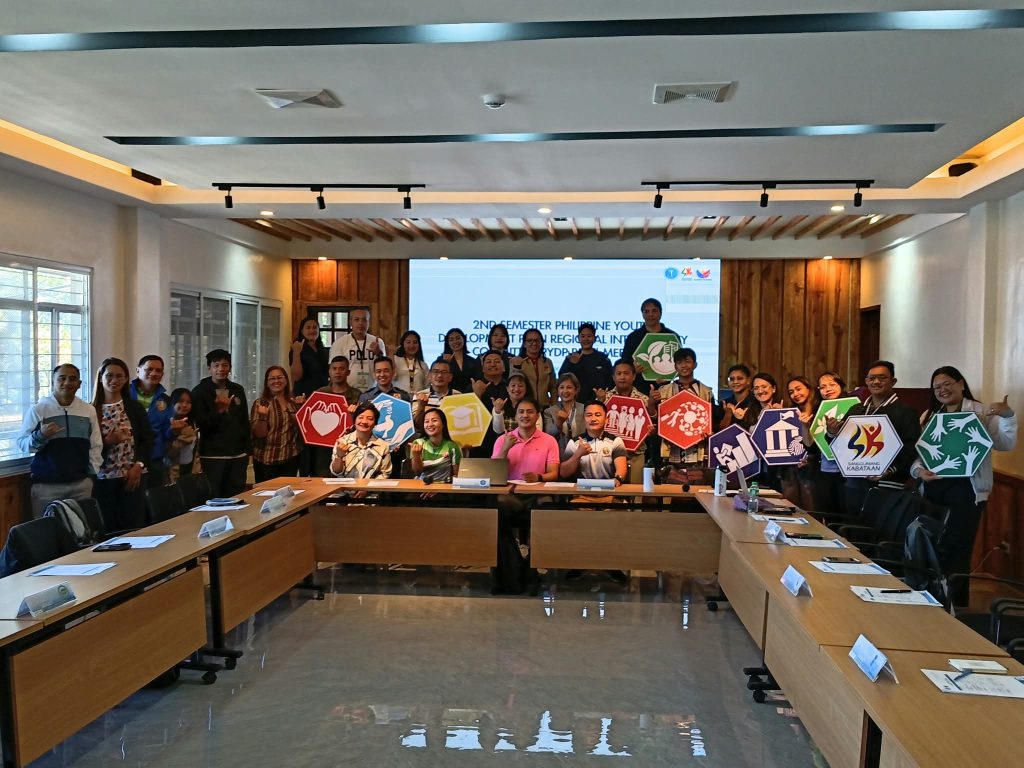
During the regional interagency committee meeting on the Philippine Youth Development Plan (PYDP) 2023–2028 on November 12, NYC Regional Cluster Head Sheridan Athena Gajete presented the findings of the plan’s midterm review, which identified areas requiring stronger government intervention.
The assessment highlighted concerns involving youth mental health, disaster preparedness, employment opportunities, school participation and the inclusion of Indigenous Peoples’ youth and young persons with disabilities.
It also identified weaknesses in monitoring and reporting, with several government agencies yet to submit accomplishment reports on their youth-related initiatives.
According to the NYC, available data remain insufficient to fully assess youth participation in decision-making, environmental sustainability, peacebuilding and agriculture.
The review also found gaps in accountability and program validation, particularly in ensuring that young people are directly involved in evaluating the effectiveness and long-term impact of government initiatives.
Gajete emphasized that agencies must align existing programs with the priorities of the PYDP, strengthen partnerships and improve coordination to ensure that resources reach intended beneficiaries.
Government agencies urged to work together
Department of Education-Cordillera Administrative Region (DepEd-CAR) Assistant Regional Director Ronald Castillo stressed that youth development requires cooperation among government institutions, communities and other stakeholders.
“There’s a need for us to collaborate. So, it’s a whole-of-society or whole-of-community approach so that youth formation and development would be more integrated and compassionate,” Castillo said.
To improve coordination, Baguio City Sangguniang Kabataan Federation President John Rhey Mananeng proposed that regional government agencies and LGUs present an inventory of their youth-related programs during the committee’s next first-semester meeting in June 2027.
The proposed initiative seeks to identify overlapping programs, determine gaps in service delivery and explore opportunities for agencies to combine resources and strengthen their interventions.
A committee member cited Ifugao’s preparation of its Provincial Youth Development Plan for 2026–2028 as an example of interagency coordination.
Consultations with national government agencies helped the province align development priorities while preventing duplication of programs and funding allocations.
Officials said mapping existing initiatives would provide a clearer picture of youth development efforts across the Cordillera region and help establish a more coordinated approach to planning and implementation.
National youth assessment results expected in 2027
Meanwhile, Gajete announced that the NYC had completed data collection for its National Youth Assessment Study, which involved 3,735 respondents aged 15 to 30 nationwide.
The study aims to provide updated information on the conditions, needs and concerns of Filipino youth to guide the development of future policies and programs.
Results are expected to be released in April 2027.
The NYC said stronger interagency cooperation, improved monitoring systems and greater youth participation would be essential to ensuring that government programs produce measurable and sustainable improvements in young people’s lives.