
By Marita Moaje
MANILA – The National Water Resources Board (NWRB) is preparing deep wells and new water projects to help keep Metro Manila’s supply while urging households and businesses to reduce waste ahead of a potentially very strong El Niño that could affect water availability through the first half of 2027.
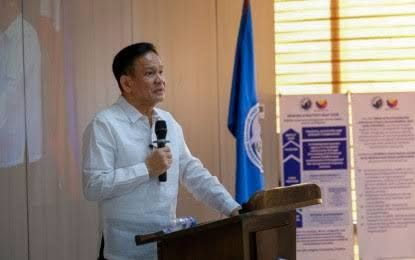
In a Bagong Pilipinas interview Thursday, NWRB Executive Director Sevillo David Jr. said that although water supply in the capital remains sufficient, early conservation and additional sources would help the government manage demand in case reduced rainfall lowers dam levels.
“Importante rin pong magtipid tayo. Bakit po? Kasi nga itong very strong El Niño ay sabi nga natin medyo kakaiba po. Ito po iyong sinasabi nga ng PAGASA na sa history po ay baka ito ang isa sa mga pinakamalakas na El Niño na kailangan din po nating paghandaan (It’s also important for us to save [water]. Why? Because this very strong El Niño, as we said, is somewhat unusual. This is what PAGASA is saying, that in history, this might be one of the strongest El Niños that we also need to prepare for),” David said.
“Kahit may sapat po tayong suplay ng tubig ay kailangan po nating paghandaan ito ngayon pa lang po para naman matugunan iyong mga pangangailangan natin partikular po itong kapag iyong full impact or full effect nitong El Niño na tinatayang hanggang sa susunod na taon pa po ito (Even though we have sufficient water supply, we need to prepare for this now so that we can meet our needs, especially when the full impact or full effect of this El Niño, which is expected to last until next year, is felt).”
He said the NWRB has allowed the Metropolitan Waterworks and Sewerage System (MWSS) to operate deep wells on standby if additional water is needed.
He also cited projects being developed by MWSS concessionaires and private-sector partners to draw water from Laguna Lake and Upper Wawa, which are expected to provide additional supply before the end of 2026.
The Philippine Atmospheric, Geophysical and Astronomical Services Administration (PAGASA) has warned that the approaching El Niño could be among the strongest on record, with its effects potentially lasting into the first half of next year.
David said households could help preserve available supplies through simple changes, including collecting rainwater for cleaning and other chores, turning off faucets while brushing their teeth or applying soap when bathing, and repairing leaking pipes and fixtures.
He stressed that individual efforts could make a difference when practiced across communities.
“Kapag pinagsama-sama po ito, iyong collective effort ay malaki po ang maitutulong nito sa pagma-manage natin ng tubig (When combined, this collective effort will greatly help us in managing water),” he said.
The NWRB is also encouraging local governments to work with businesses to reduce consumption and recycle water where possible, citing restaurants as an example, saying drinking water could be served only when customers request it instead of automatically providing glasses that may go untouched.
Outside Metro Manila, the agency is urging water service providers to repair leaks and improve their distribution systems to minimize losses. Providers have also been directed to prioritize hospitals and dialysis centers if supplies become limited, David said.
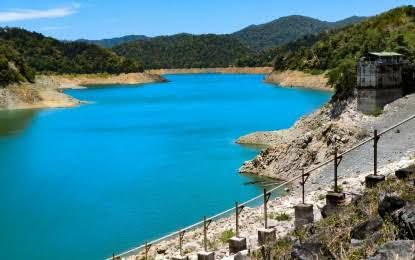
The government is also preparing for possible adjustments in water allocation from Angat Dam, which supplies Metro Manila and supports irrigation.
David said the NWRB would coordinate with the National Irrigation Administration (NIA) if allocations had to be reduced, with household water supply taking priority over irrigation.
He said the NIA is considering drought-resilient crop varieties that require less water than rice to help farmers maintain production if irrigation supplies are affected.
David urged the public to take water conservation seriously even before shortages occur, saying simple measures could help protect supplies in the coming months. (PNA)