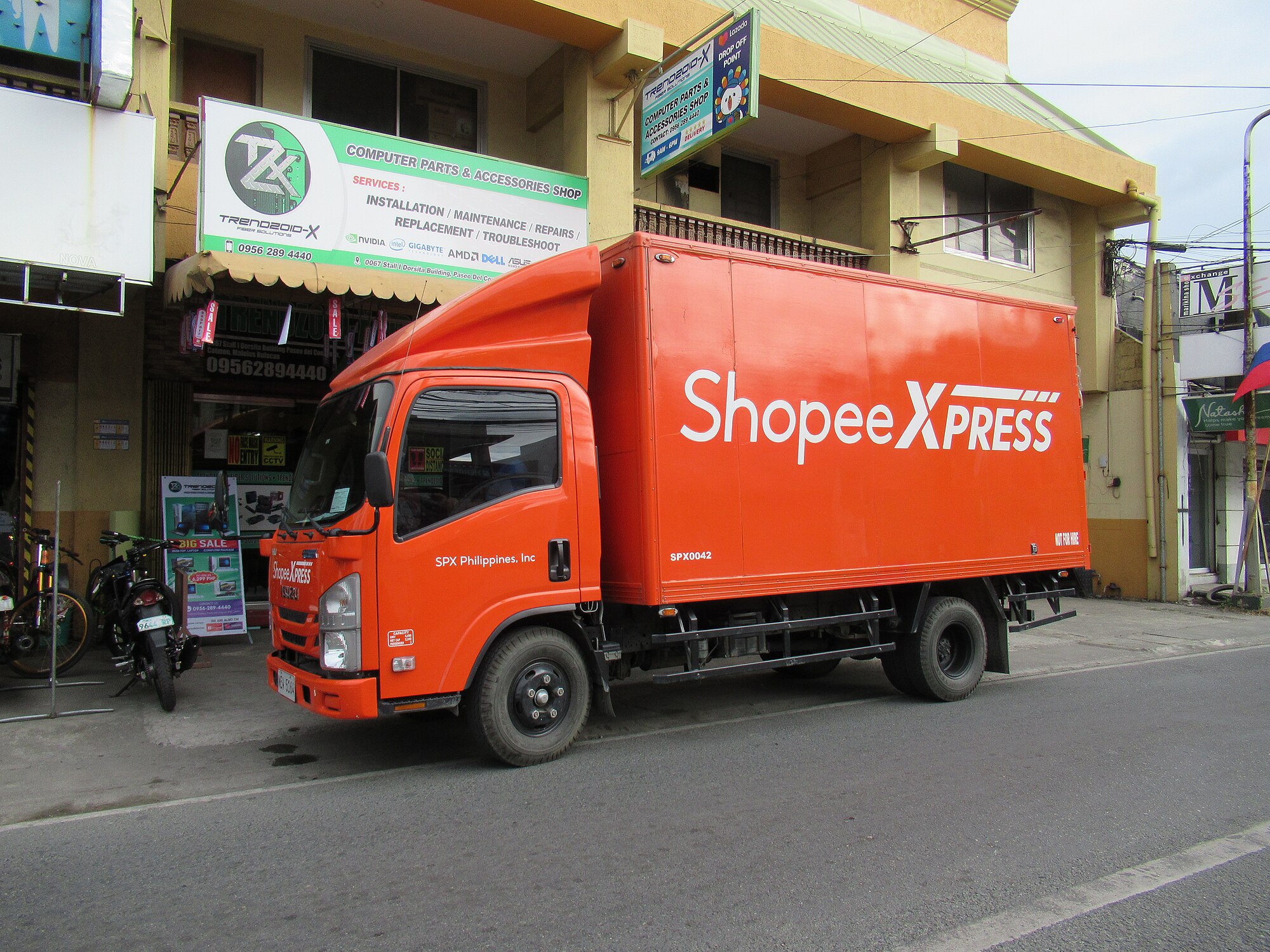
Micro, small, and medium enterprises (MSMEs) are aggressively leveraging e-commerce platforms, generating an estimated $270 billion in sales through the online shopping platform Shopee since its debut, according to figures released by the company.
The data underscores how online marketplaces have become a significant engine for commercial growth, with the number of sellers on the platform doubling annually on average.
The expansion of e-commerce is also leading to significant decentralization of business activity. Shopee reported that 80 percent of its MSME sellers now operate outside of capital cities.
Consumers in these non-urban areas have accounted for over 140 billion items purchased, confirming the widespread adoption of digital shopping across regions.
“The past decade has been a time of tremendous change as the digital economy opened new opportunities for people and businesses everywhere,” said Terence Pang, chief operating officer at Shopee. “We are deeply grateful to our community of MSME sellers who first kickstarted their online journey 10 years ago on our platform, and continue to partner us as they grow and unlock greater success through e-commerce.”
Key Growth Indicators
Beyond local sales, the shift has fueled significant cross-border transactions, with more than 2.1 million sellers enrolling in Shopee’s export program since its launch in 2018.
The adoption of new digital tools has also accelerated growth:
• Video Commerce: Orders generated through Shopee Live have seen substantial increases, climbing 300 percent annually.
• Affiliate Marketing: The platform’s affiliate marketing solutions have pushed order volumes up by 30 percent.
The growth reflects e-commerce’s role in “bridging geographic barriers and supporting more inclusive access to the digital economy,” the company stated.
Shopee, which is owned by Sea Limited, captured 48 percent of the regional online shopping market in 2024, according to Momentum Works.