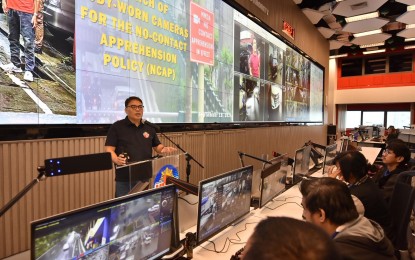
The Metropolitan Manila Development Authority (MMDA) has started using body-worn cameras to strengthen the implementation of the No Contact Apprehension Policy (NCAP).
MMDA Chair Don Artes announced that the newly formed Swift Traffic Action Group (STAG) is now equipped with cameras connected to the agency’s Communications and Command Center for real-time monitoring of road operations.
“The use of body-worn cameras is part of the innovations for the NCAP. It will initially cover key Metro Manila thoroughfares and designated Mabuhay Lanes. Eventually, we will expand the coverage once the ban on street parking in Metro Manila is approved,” Artes said.
The team, led by Traffic Operations Officer IV Edison “Bong” Nebrija, will follow a buddy system—one officer wearing the camera while the other issues and records the notice of violation.
Artes said the devices will ensure strict enforcement, reduce direct interaction, and minimize arguments between motorists and enforcers. All STAG personnel were trained in data privacy protocols and proper handling of the equipment.
STAG will lead anti-illegal parking operations, while the Special Operations Group–Task Force for Road Clearing (SOG-TFRC) will handle towing and further clearing if needed.
“STAG focuses on no-contact apprehension using body cameras, while SOG-TFRC is equipped with tow trucks for the physical clearing of illegally parked vehicles, which includes towing, if necessary,” Artes clarified.
All apprehensions recorded by STAG will undergo manual review by NCAP personnel before validation.
As of Monday, MMDA recorded 65,918 violations under NCAP, with 36,255 already validated.The Metropolitan Manila Development Authority (MMDA) has started using body-worn cameras to strengthen the implementation of the No Contact Apprehension Policy (NCAP).
MMDA Chair Don Artes announced that the newly formed Swift Traffic Action Group (STAG) is now equipped with cameras connected to the agency’s Communications and Command Center for real-time monitoring of road operations.
“The use of body-worn cameras is part of the innovations for the NCAP. It will initially cover key Metro Manila thoroughfares and designated Mabuhay Lanes. Eventually, we will expand the coverage once the ban on street parking in Metro Manila is approved,” Artes said.
The team, led by Traffic Operations Officer IV Edison “Bong” Nebrija, will follow a buddy system—one officer wearing the camera while the other issues and records the notice of violation.
Artes said the devices will ensure strict enforcement, reduce direct interaction, and minimize arguments between motorists and enforcers. All STAG personnel were trained in data privacy protocols and proper handling of the equipment.
STAG will lead anti-illegal parking operations, while the Special Operations Group–Task Force for Road Clearing (SOG-TFRC) will handle towing and further clearing if needed.
“STAG focuses on no-contact apprehension using body cameras, while SOG-TFRC is equipped with tow trucks for the physical clearing of illegally parked vehicles, which includes towing, if necessary,” Artes clarified.
All apprehensions recorded by STAG will undergo manual review by NCAP personnel before validation.
As of Monday, MMDA recorded 65,918 violations under NCAP, with 36,255 already validated.