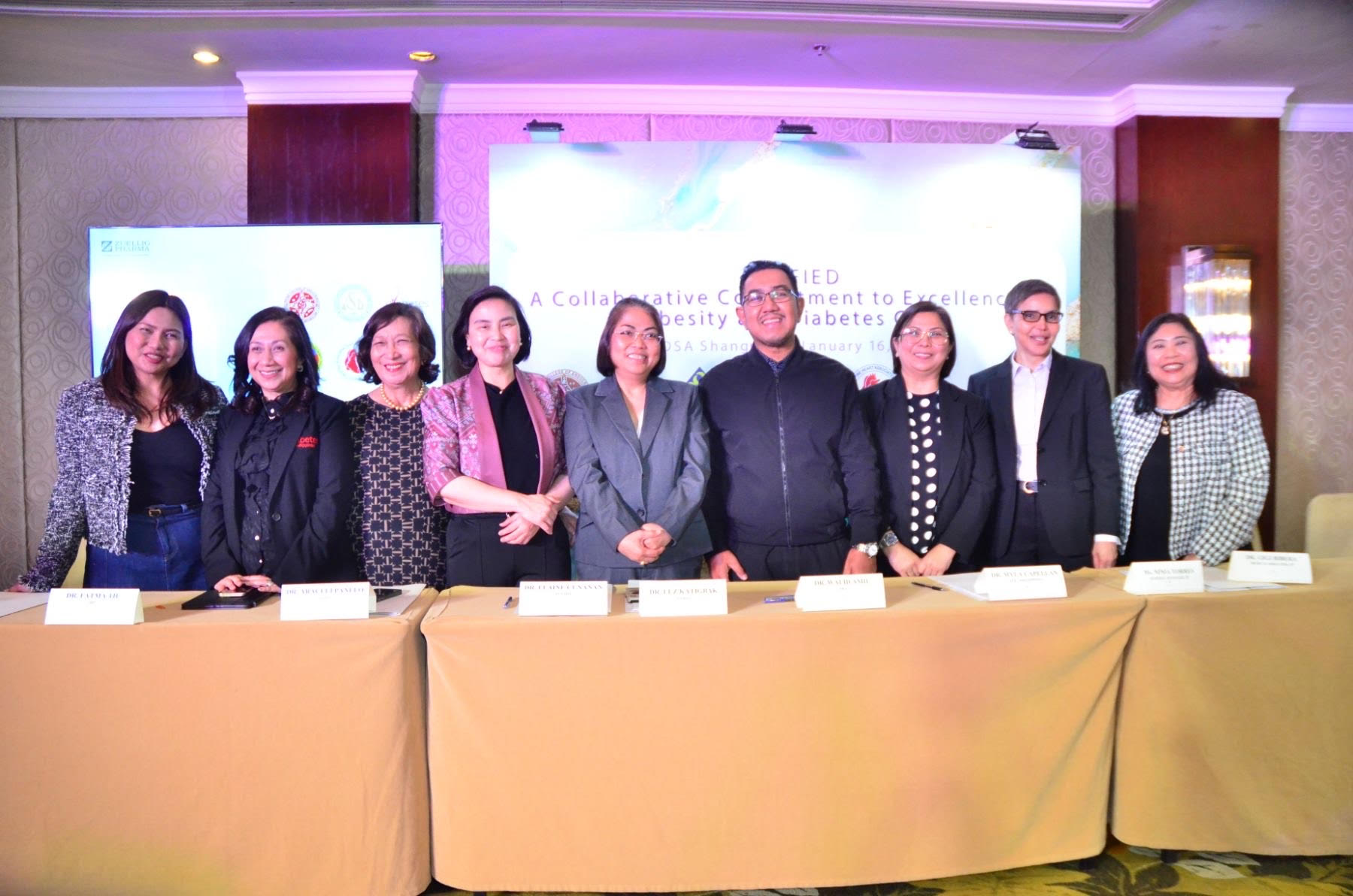

The country’s leading medical societies have formed an unprecedented alliance to confront the growing burden of obesity and type 2 diabetes, signaling a more urgent and unified national response to what health experts describe as a rapidly escalating metabolic health crisis.
The collaboration was formalized through the signing of a Memorandum of Agreement, bringing together the Philippine Society for the Study of Overweight and Obesity, the Philippine College of Endocrinology, Diabetes & Metabolism, the Philippine Heart Association, the Institute for Study on Diabetes Foundation Inc., Diabetes Philippines, and the Alliance of Clinical Endocrinologists Philippines Foundation, Inc.
The initiative is spearheaded by Zuellig Pharma, a healthcare solutions company that convened the partnership during an event held on January 16 titled “UNIFIED: A Collaborative Commitment to Excellence in Obesity and Diabetes Care.”

Medical leaders described the agreement as a turning point in how obesity and diabetes are approached in the country, shifting from fragmented efforts to a coordinated, multisectoral strategy grounded in science, patient empowerment, and updated clinical standards. With millions of Filipinos affected by metabolic diseases, the signatories stressed that the need for collective action has never been more urgent.
Central to the initiative is the launch of a new patient-focused digital platform, First Move to My Best Me, unveiled during the event. The microsite is designed to empower people living with obesity by providing accessible, medically sound information that encourages informed decision-making and early engagement with healthcare professionals. Organizers emphasized that the platform is anchored on a critical message: obesity is a disease, not a personal failure of willpower or discipline.
By offering credible guidance and practical tools, the platform aims to help patients take meaningful first steps toward better health outcomes while countering misinformation that often discourages proper treatment.
Health leaders said empowering patients with accurate knowledge is essential to improving long-term adherence and outcomes, particularly in conditions that require sustained management.
The gathering also highlighted a major development in clinical care with the Philippine Food and Drug Administration’s approval of dual GIP and GLP-1 receptor agonists, a newer treatment modality for diabetes and obesity. Medical experts noted that while traditional approaches such as lifestyle modification and oral medications like metformin remain foundational, they are often insufficient for patients who struggle with long-term weight loss, tight glycemic control, or elevated cardiovascular risk.
According to the societies, newer therapies reflect a deeper understanding that diabetes and obesity extend beyond lifestyle factors alone. They stressed that these conditions are complex, chronic diseases requiring comprehensive and individualized care.
The approval of dual GIP and GLP-1 receptor agonists, they said, places the Philippines in closer alignment with international standards, including the American Diabetes Association’s 2025 Standards of Care, which prioritize treatments that address blood sugar control, weight management, and cardiovascular risk more effectively than older therapies.
Zuellig Pharma, as a co-signatory to the agreement, reaffirmed its commitment to supporting the medical societies not only through collaboration but also by advocating for the safe, ethical, and authorized use of new treatment options.
The company and the participating organizations raised concerns over the growing availability of illegally compounded and counterfeit medications sold online, warning that these pose serious risks to patient safety.
In a unified message to the public, the medical societies urged Filipinos to seek proper medical advice and avoid unregulated products that promise quick fixes. They emphasized that effective and safe treatment should always be guided by qualified healthcare professionals.
Through sustained collaboration, public education, and innovation, the alliance aims to elevate metabolic care in the Philippines, addressing one of the country’s most pressing health challenges with renewed urgency and shared responsibility.