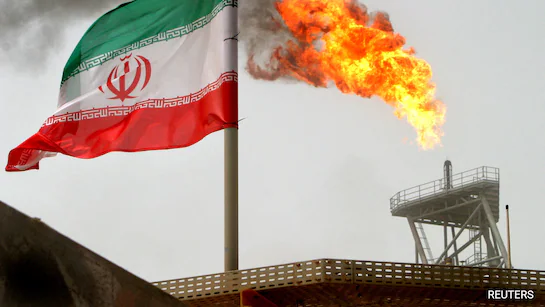

Global markets entered the new trading week on shaky but somewhat optimistic footing, as oil prices dipped despite escalating military exchanges between Israel and Iran.
The four-day-long missile barrages—triggered by Israel’s surprise strike on key Iranian military and nuclear targets—sent initial shockwaves through commodity markets, but investor sentiment cooled amid signs that the conflict may not spill over into a wider regional war.
While geopolitical tensions remain high, a tempered outlook on supply disruptions and diplomatic signals out of Washington helped ease immediate fears of a broader energy crisis.
Oil retreats after initial surge
Crude prices initially surged up to 13% late last week, as fears of regional supply bottlenecks gripped markets. But by Monday, prices had pared those gains, with both Brent and WTI futures slipping in Asian trading. Analysts now suggest that the initial panic may have been overstated, with underlying market fundamentals—not geopolitical headlines—expected to dictate oil’s next moves.
“OPEC is still committed to keeping supply steady, and while U.S. output growth has plateaued recently, it has the potential to bounce back if prices stay firm,” said Allen Good, director of equity research at Morningstar. “Unless the Israel-Iran tensions spill into a broader regional conflict, we’re unlikely to see a sustained rally in crude.”
Inflation fears still linger
Although the immediate spike in oil prices is subsiding, analysts warn that even short-term energy price shocks can ripple across the global economy. Tony Sycamore, analyst at IG, said the secondary effects could complicate the task of taming inflation, especially for central banks already walking a tightrope.
“If elevated energy prices persist, they could feed into core inflation through higher transportation and manufacturing costs,” he noted. “This would reduce the flexibility of central banks, especially the Fed, to respond to slowing growth amid other global challenges like trade frictions and policy uncertainty.”
In a clear sign of investor caution, gold prices climbed back toward record territory, trading at around $3,450 an ounce. The traditional safe haven asset has benefited from the uncertainty swirling around the Middle East crisis, U.S. trade policy, and volatile economic data from China.
Meanwhile, equity markets were mixed, with Asian indexes showing little consensus. Tokyo closed higher thanks to a weaker yen, while Manila, Bangkok, and Jakarta posted losses. European markets opened on a firmer note, buoyed by hopes that central banks will maintain a steady hand.
Eyes on the Fed and BoJ
Markets are now turning their attention to this week’s major central bank meetings. The U.S. Federal Reserve and the Bank of Japan are both expected to keep rates on hold, but investors will be parsing their statements for forward guidance amid mounting pressures.
“The Fed will dominate market attention,” said Chris Weston of Pepperstone. “While no major policy shift is expected, the tone of their statement will matter as they balance Trump’s push for rate cuts with economic realities.”
The meetings come just days before world leaders gather for the Group of Seven (G7) summit in the Canadian Rockies. Topping the agenda: the escalating Middle East situation and global trade stability, as U.S. tariffs continue to stoke tension among allies and trading partners.
Amid all the macroeconomic noise, a notable deal moved forward in the industrial sector. Shares of Nippon Steel jumped over 3% after U.S. President Donald Trump signed off on its $14.9 billion acquisition of U.S. Steel. The deal, long under scrutiny due to national security concerns, now clears the path for final integration.
Outlook:
Despite the drums of war in the Middle East, financial markets appear to be settling into a cautious but measured stance. As oil prices ease and central banks prepare to speak, investors are once again weighing geopolitical risk against economic fundamentals—hoping for stability, but bracing for turbulence.