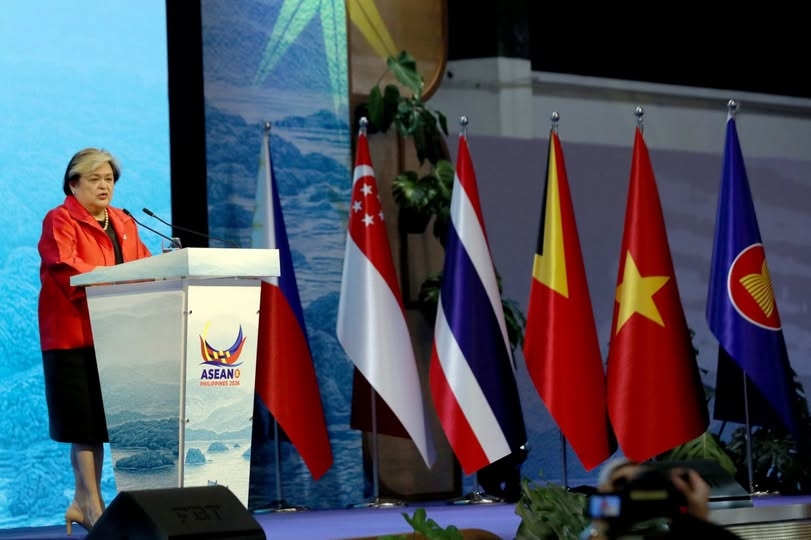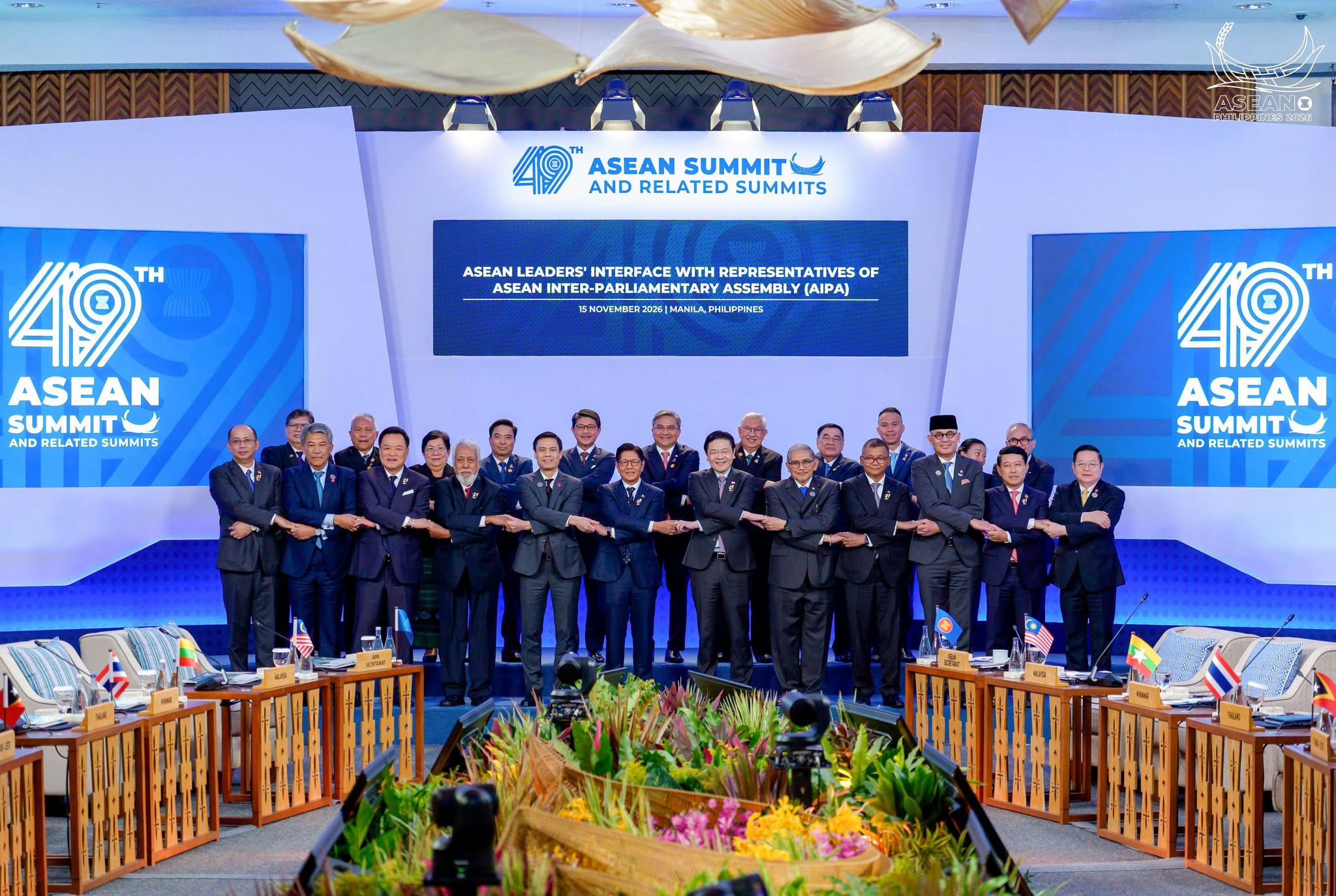

MANILA, Philippines — President Ferdinand Marcos Jr. called for stronger cooperation between Southeast Asian governments and lawmakers to address emerging regional challenges, emphasizing that ASEAN commitments must translate into national legislation, effective oversight, and concrete benefits for the public.
Speaking during the ASEAN Leaders’ Interface with the ASEAN Inter-Parliamentary Assembly (AIPA) on Sunday, November 15, Marcos underscored the crucial role of national parliaments in implementing regional agreements and ensuring that ASEAN initiatives respond to the needs of workers, families, businesses, and communities.
The President identified online scams, transnational crime, disruptions to food and energy supplies, climate-related disasters, and the rapid advancement of artificial intelligence as among the pressing challenges confronting Southeast Asia.
He also emphasized the importance of strengthening safeguards for migrant workers, whose welfare remains a major concern across ASEAN member states.
Marcos said regional commitments must be reflected in national laws, supported by legislative oversight that promotes accountability, and translated into government action that delivers meaningful results.
His remarks highlighted the need to bridge the gap between agreements reached at regional meetings and their actual implementation within individual ASEAN member states.
The President also acknowledged AIPA’s contributions to regional cooperation, particularly its initiatives promoting greater participation of women and young people in parliamentary affairs.
He likewise recognized the assembly’s efforts to strengthen cooperation against dangerous drugs and transnational crime, issues that require coordinated responses across national borders.
AIPA serves as a platform for parliamentary cooperation among ASEAN member states, helping align legislative priorities with the region’s broader economic, political, and social objectives.
Its engagement with ASEAN leaders provides an opportunity for lawmakers to discuss how regional agreements can be supported through domestic legislation and parliamentary cooperation.
The meeting comes as ASEAN begins implementing ASEAN 2045: Our Shared Future, a long-term strategic framework intended to guide regional integration and development over the next two decades.
Under the framework, ASEAN seeks to strengthen regional resilience, deepen economic integration, enhance security cooperation, and promote inclusive and sustainable development.
Marcos stressed that achieving these objectives would require governments and national parliaments to work toward common priorities while addressing challenges that directly affect their populations.
The President’s call also underscored the importance of legislative action in responding to emerging technologies, including artificial intelligence, as governments confront new regulatory, economic, and security concerns.
With climate risks, economic uncertainties, and cross-border threats continuing to affect Southeast Asia, closer coordination between policymakers and legislators is expected to play an important role in advancing the region’s long-term goals.
The Philippines is hosting the 49th ASEAN Summit and Related Summits in Manila from November 15 to 17, bringing together regional leaders and international partners to discuss economic cooperation, regional security, and other shared priorities.
Marcos urged ASEAN governments and parliaments to ensure that the decisions reached at the regional level produce tangible improvements in the lives of Southeast Asians.