
(ASEAN PH 2026/RTVM Screengrab)
MANILA, Philippines – President Ferdinand Marcos Jr. emphasized that trust, cooperation and shared responsibility remain essential to the strength of the Association of Southeast Asian Nations (ASEAN), urging regional leaders to preserve the relationships that have sustained the bloc despite differences in national interests.
Speaking at the ASEAN Summit Gala Dinner on Monday, November 16, Marcos said the region’s unity was built through generations of leaders who prioritized dialogue and cooperation over division.
“Our work is sustained by more than agendas or documents; it is sustained by relationships, by the familiarity that allows us to speak candidly, the patience to listen when we disagree, and the trust that brings us back to the conversation,” Marcos said.
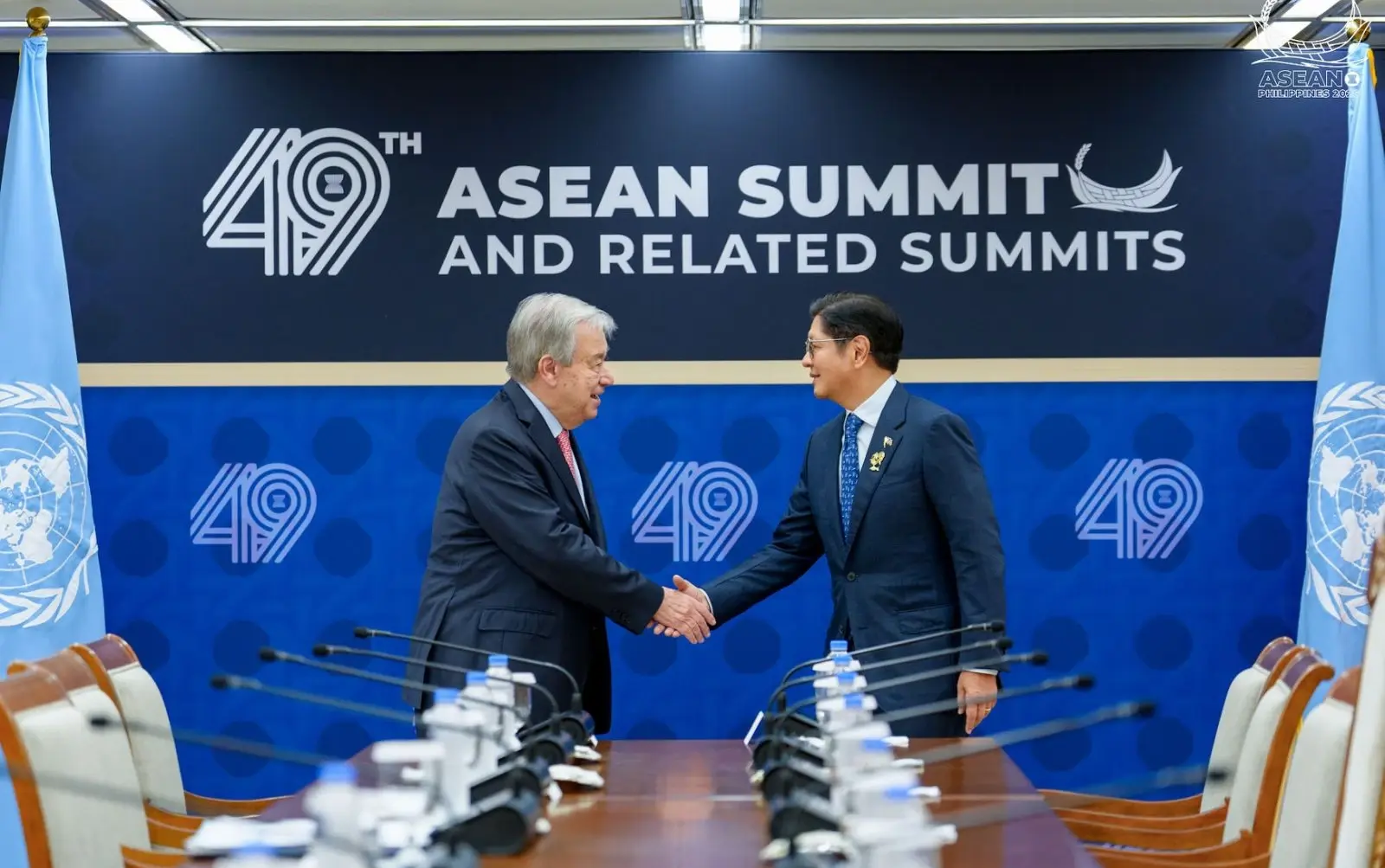
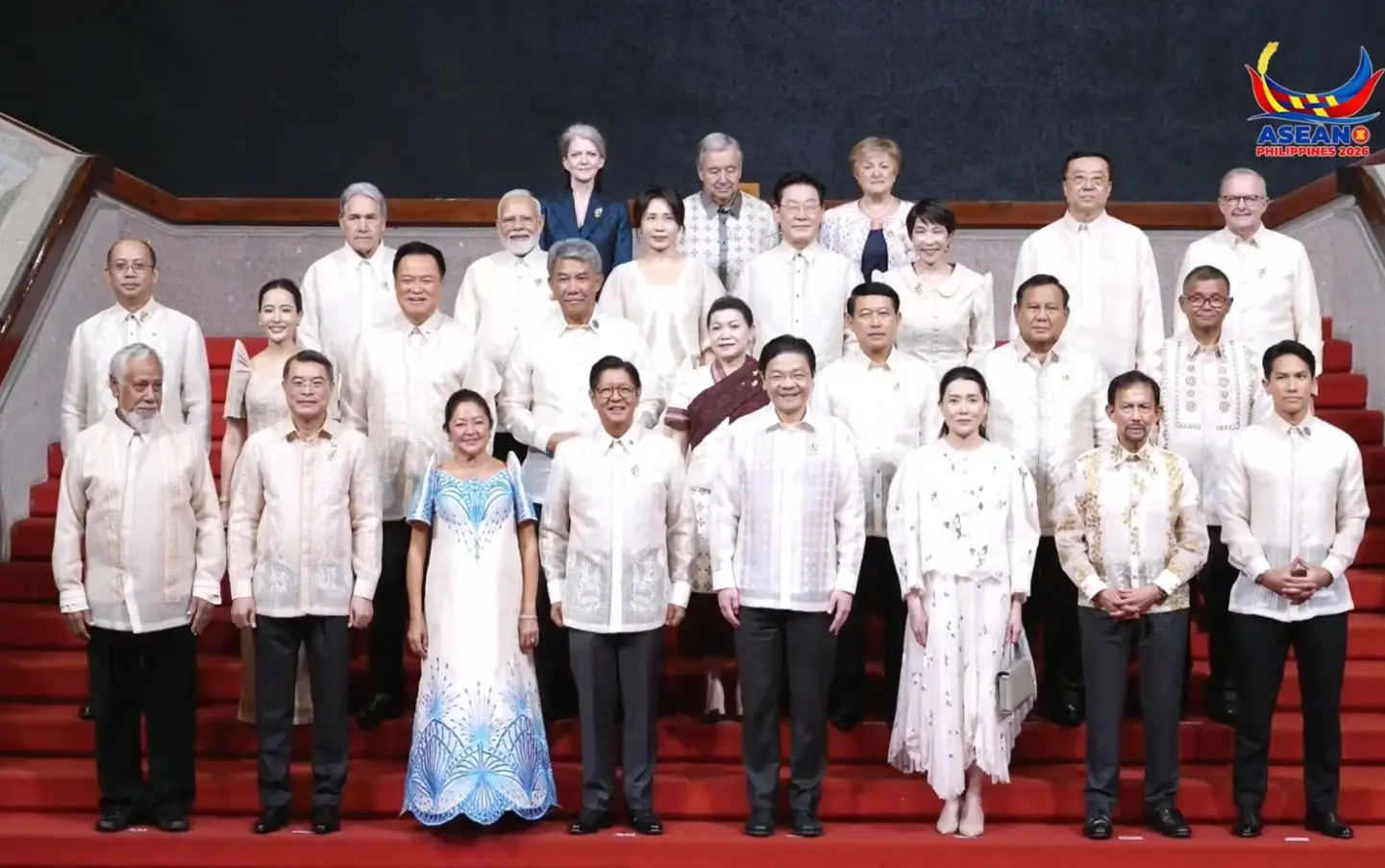
The President, joined by First Lady Liza Marcos, hosted ASEAN leaders, dialogue partners and their spouses at the Philippine International Convention Center in Pasay City as part of the 49th ASEAN Summit and Related Summits.
The gathering featured Filipino cuisine, music and cultural performances, highlighting the country’s hospitality while providing an opportunity for regional leaders to strengthen diplomatic ties.
Marcos drew parallels between ASEAN’s regional cooperation and the Filipino concept of kapwa, which emphasizes shared identity, mutual respect and common humanity.
He said ASEAN member states, despite their different histories, national priorities and aspirations, have developed an understanding that their security, stability and economic progress are closely interconnected.
“The peace of our neighbors strengthens our own peace. That prosperity shared across borders creates opportunity at home. And that when one part of our region is tested, the effects rarely stop at the national boundary,” Marcos said.
The President also recalled the historic 1976 Bali Summit, where his father, former President Ferdinand Marcos Sr., joined other Southeast Asian leaders in concluding the Treaty of Amity and Cooperation in Southeast Asia.
The agreement established fundamental principles governing relations among ASEAN countries, including mutual respect, peaceful settlement of disputes and non-interference in domestic affairs.
According to Marcos, ASEAN’s established culture of consultation, dialogue and economic cooperation did not emerge automatically but resulted from deliberate decisions by successive generations of regional leaders.
He stressed that maintaining these traditions would be crucial as Southeast Asia confronts evolving geopolitical tensions, economic uncertainties and other shared challenges.
Marcos also acknowledged the contributions of ASEAN’s external partners, noting that while the regional bloc must continue determining its own direction, international cooperation has helped strengthen its peace, prosperity and resilience.
“At its best, partnership recognizes that our futures are intertwined, that one country’s strength can answer another’s need, and that each of us has something to contribute in return,” he said.
The President underscored that ASEAN’s continued relevance depends not only on formal agreements and diplomatic commitments but also on the mutual trust and willingness of its members and partners to work together despite their differences.