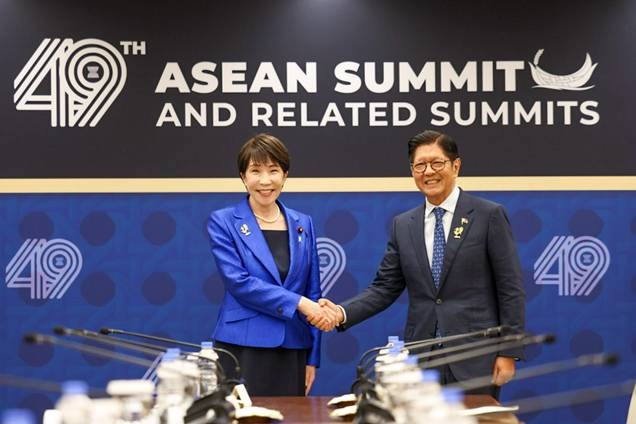

(Photo courtesy of PCO)
MANILA, Philippines – President Ferdinand Marcos Jr. called for closer cooperation between ASEAN governments and parliaments to strengthen protections for migrant workers and address emerging regional challenges, including cybercrime, climate change, energy security and artificial intelligence.
Speaking during discussions on ASEAN parliamentary cooperation, Marcos emphasized the need to translate regional commitments into enforceable legislation and concrete government programs that directly benefit workers, families and communities across Southeast Asia.
The President underscored the importance of stronger coordination among ASEAN member states in addressing transnational threats, particularly online scams and cross-border criminal activities that exploit vulnerable individuals, including migrant workers.
He stressed that regional cooperation must extend beyond diplomatic agreements to ensure that workers receive adequate legal protection, access to assistance and safeguards against exploitation.
Marcos also identified food and energy security as critical concerns requiring coordinated regional responses, particularly as global supply disruptions and economic uncertainties continue to affect households and businesses.
On climate change, the President emphasized the importance of strengthening regional resilience and developing policies that protect communities from increasingly severe environmental risks.
He likewise highlighted the rapid advancement of artificial intelligence, noting the need for governments and lawmakers to respond to technological changes that could reshape employment, economic opportunities and public services.
The President said stronger cooperation between ASEAN governments and legislative institutions would help bridge the gap between regional policy commitments and their implementation at the national level.
Through coordinated legislation, regulatory reforms and stronger institutional partnerships, ASEAN countries could better address shared challenges while ensuring that regional initiatives produce tangible benefits for their citizens.
Marcos emphasized that the success of ASEAN cooperation should ultimately be measured by its impact on ordinary people, particularly migrant workers, families and communities whose livelihoods depend on regional stability and economic opportunities.
The President’s appeal comes as the Philippines hosts the 49th ASEAN Summit and Related Summits, where regional leaders and international partners are discussing economic integration, security cooperation, sustainable development and other pressing challenges confronting Southeast Asia.
The discussions also highlight the role of national parliaments in translating ASEAN agreements into domestic laws, strengthening accountability and ensuring that regional commitments are effectively implemented.