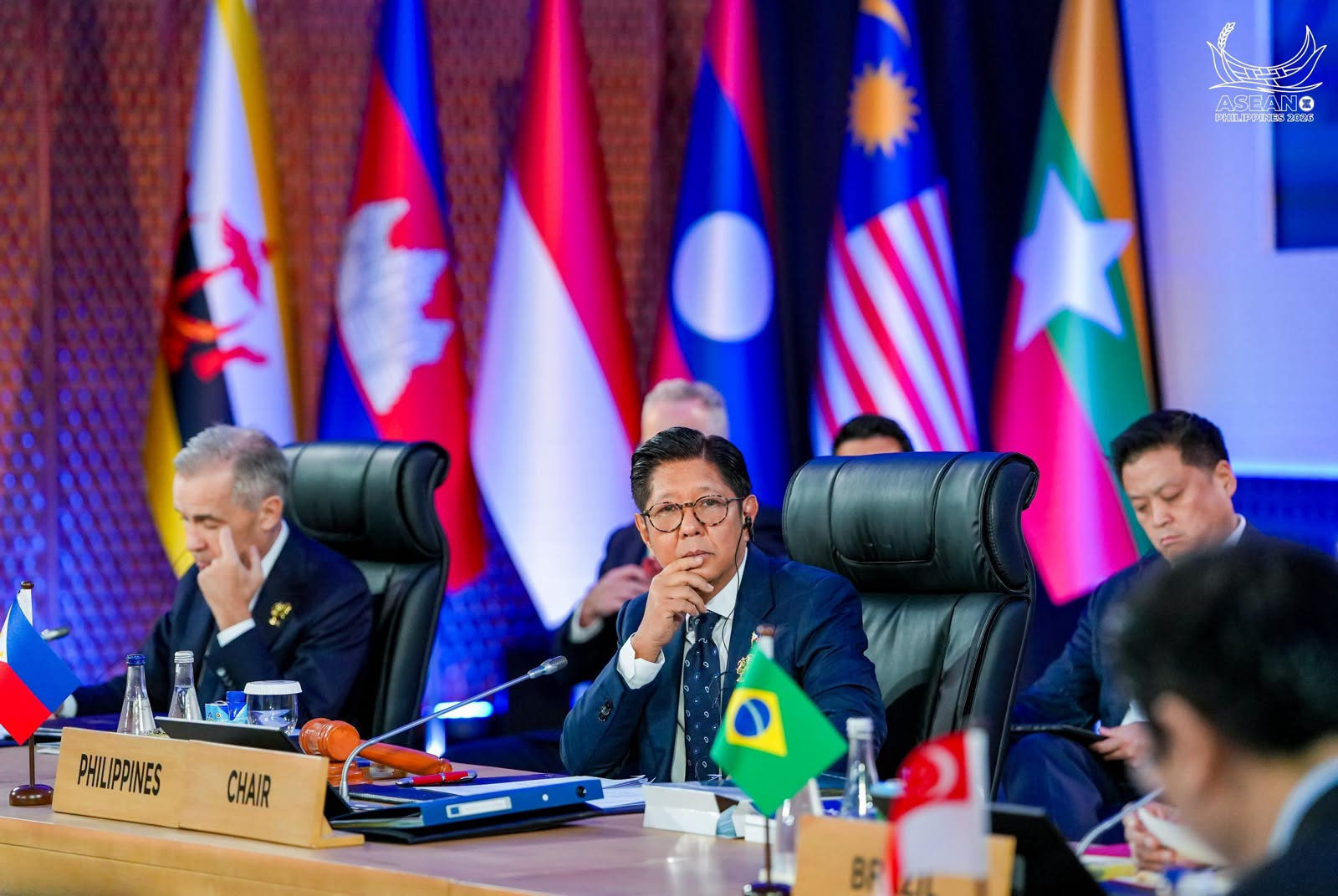

President Ferdinand Marcos Jr. pushed for stronger regional cooperation, expanded economic opportunities, and greater protection for Filipino workers and families as the Philippines advanced its priorities during the 49th ASEAN Summit and Related Summits on Sunday, November 15.
Speaking at the ASEAN Summit Plenary, Marcos outlined the country’s three chairship priorities: Peace and Security Anchors, Prosperity Corridors, and People Empowerment, aimed at promoting regional stability, economic integration, and inclusive development across Southeast Asia.
The President emphasized the importance of strengthening ASEAN’s ability to respond to security challenges while creating new opportunities for trade, investment, technology, energy, and financial cooperation.
Under the Peace and Security Anchors priority, the Philippines seeks to reinforce regional stability, strengthen cooperation among member states, and promote peaceful approaches to addressing shared security concerns.
The Prosperity Corridors agenda focuses on improving economic connectivity, expanding market access, attracting investments, and strengthening cooperation in emerging industries and technologies.
These initiatives are intended to help Filipino businesses access wider regional markets, encourage investment, and create opportunities for employment and entrepreneurship.
Meanwhile, the People Empowerment priority aims to ensure that the benefits of regional economic growth extend beyond major industries and reach ordinary citizens, particularly workers, young people, families, and vulnerable communities.
The administration said the three priorities reflect the Philippines’ commitment to building a more peaceful, prosperous, and inclusive ASEAN while addressing challenges affecting regional economies and communities.
More than 100 outcome documents have been brought forward across the ASEAN Summit and Related Summits, covering various areas of regional cooperation.
The documents are intended to guide collective initiatives and strengthen partnerships among ASEAN member states and their dialogue partners.
The Philippine government is seeking to translate these regional commitments into concrete programs that could improve economic opportunities, strengthen connectivity, and enhance public welfare.
For Filipino workers and businesses, stronger ASEAN cooperation could provide access to broader employment markets, investment opportunities, technological partnerships, and regional supply chains.
Improved cooperation in energy and finance could also support economic resilience as Southeast Asian economies confront changing global market conditions and other emerging challenges.
However, the extent of these benefits will depend on the implementation of regional agreements, national policies, and sustained cooperation among participating countries.
The 49th ASEAN Summit and Related Summits bring together Southeast Asian leaders and international partners to discuss regional security, economic development, and cooperation on shared priorities.
As ASEAN chair, the Philippines is working to strengthen regional partnerships and advance initiatives intended to deliver measurable benefits to citizens across the region.