
MANILA, Philippines — President Ferdinand Marcos Jr. highlighted his administration’s efforts to strengthen the country’s healthcare workforce, citing an increase in the allocation for health emergency allowances from Php 6.8 billion in 2022 to more than Php 110 billion in 2026, alongside expanded nursing education and employment opportunities.
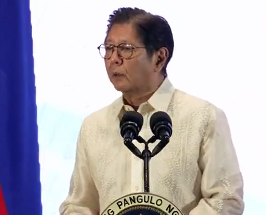
Speaking at the Philippine Nurses Association’s (PNA) 69th Nurses Week National Convention 2026 in Pasay City, Marcos emphasized the government’s commitment to improving nurses’ working conditions, addressing workforce shortages, and expanding professional development opportunities.
The President said the increased health emergency allowance allocation was intended to support healthcare workers in both public and private institutions.
“First, we have increased the allocation for the health emergency allowance from 6.8 billion pesos in 2022 to over 110 billion pesos in 2026 for public and private healthcare workers,” Marcos said.
He also reported an expansion in the number of higher education institutions offering Bachelor of Science in Nursing programs following the lifting of the moratorium on new nursing programs in 2022.
According to Marcos, the number of institutions offering nursing degrees increased from 354 in July 2022 to an estimated 425 as of June 2026, representing an increase of 71 institutions.
The President said the expansion forms part of the government’s strategy to encourage more qualified Filipinos to enter the nursing profession and address the growing demand for healthcare professionals.
Marcos also cited the Clinical Care Associates Program, which provides employment opportunities and licensure examination review assistance to nursing graduates who have yet to pass the nursing board examination.
Additionally, the administration has developed an enhanced one-year master’s degree program in nursing to produce more qualified clinical instructors and educators.
The President said the government continues to coordinate with the Department of Health (DOH), Commission on Higher Education (CHED), and Technical Education and Skills Development Authority (TESDA) to expand healthcare training opportunities and develop alternative pathways into the nursing profession.
He emphasized the need to improve nurse-to-patient ratios, fill vacant nursing positions, and provide more opportunities for career advancement.
“We must also work towards improving nurse-to-patient ratios, filling vacant positions, providing more opportunities for our Filipino nurses to grow,” Marcos said.
He stressed that these measures are necessary to help nurses perform their responsibilities more efficiently while ensuring that healthcare institutions can adequately serve patients and communities.
Despite the initiatives, Marcos acknowledged that strengthening the country’s healthcare system requires sustained cooperation among government agencies, private institutions, academic organizations, and healthcare professionals.
“With these initiatives, we address important parts of the challenge, but we also acknowledge that building a resilient healthcare system requires sustained effort,” he said.
Marcos also commended the Philippine Nurses Association for its continuing efforts to promote the welfare, competence, and professional development of Filipino nurses.
He reaffirmed his administration’s commitment to strengthening the nursing workforce and improving healthcare delivery nationwide.