
Leaders champion economic resilience, regional peace, and strategic global partnerships
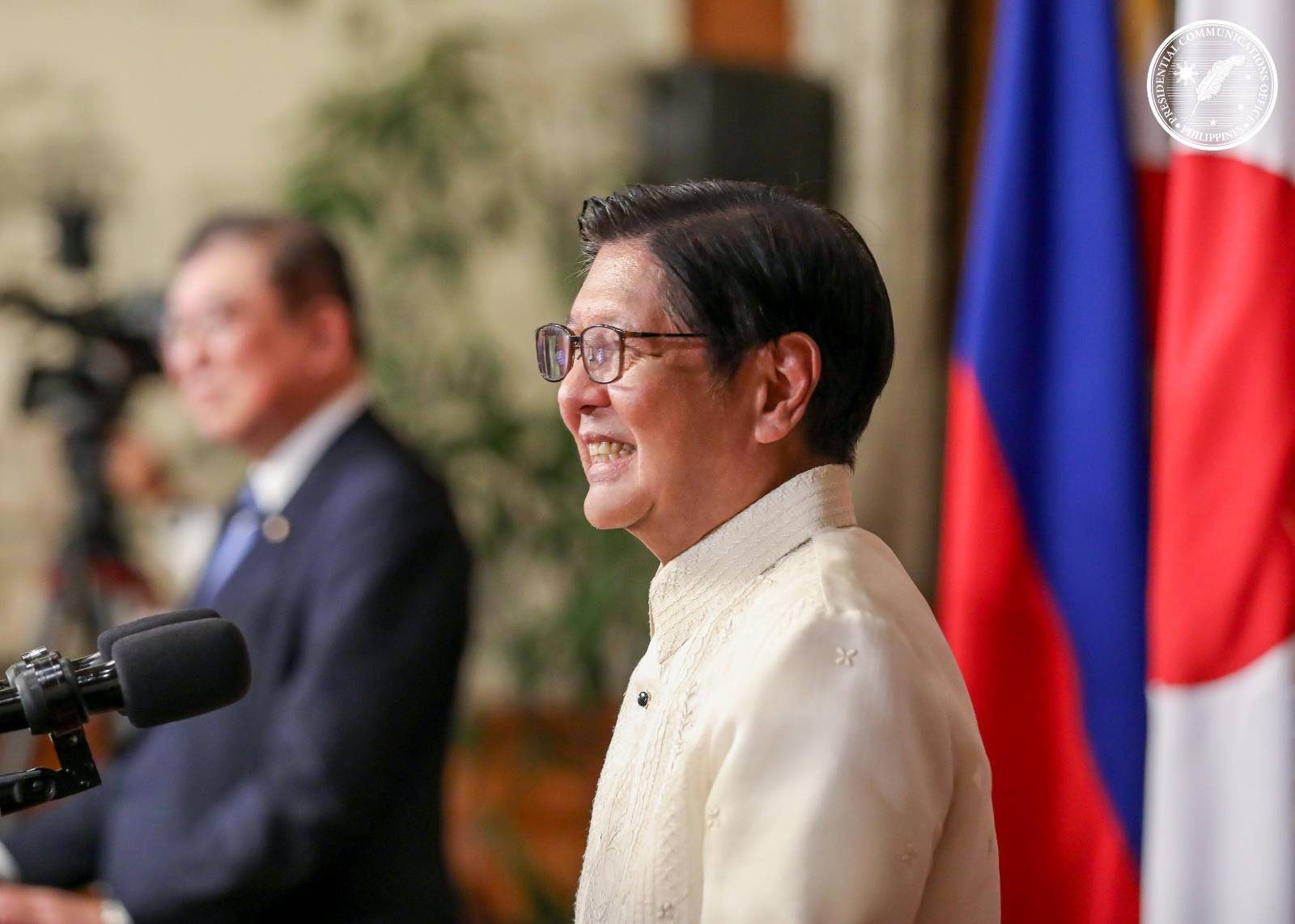
In a critical conversation that underscored growing cooperation within Southeast Asia, President Ferdinand “Bongbong” Marcos Jr. and Malaysian Prime Minister Anwar Ibrahim reaffirmed their commitment to tackling shared economic and security challenges in the lead-up to the highly anticipated ASEAN Summit later this month.
During a recent phone call, the two leaders delved into a range of pressing regional concerns—from the ongoing crisis in Myanmar to the broader implications of global trade tensions. With Malaysia currently chairing the ASEAN bloc, the dialogue signals a renewed urgency among member states to present a united front on the international stage.
A region at a crossroads
President Marcos, in a Facebook post, emphasized the importance of unity and proactive dialogue among ASEAN members. “We discussed the economic and security challenges ASEAN is facing as a region,” he said, looking ahead to continued engagement at the upcoming summit in Kuala Lumpur on May 26–27.
For Marcos, the conversation marks a strategic move to ensure the Philippines’ voice remains prominent as the region grapples with geopolitical uncertainty and post-pandemic recovery.
Prime Minister Anwar, offering more insight into the exchange, described the call as a candid and forward-looking discussion between friends. “We covered several matters and developments related to ASEAN and global issues,” Anwar wrote.
Focus on Myanmar: Humanitarian over politics
Among the most urgent topics was the ongoing conflict in Myanmar. Anwar called for an extension of the ceasefire to ensure the uninterrupted flow of humanitarian aid—a call he believes should transcend political boundaries.
“Any form of assistance must be delivered without discrimination or restrictions,” Anwar stressed, positioning ASEAN not just as a political bloc, but as a moral actor on the global stage.
Navigating global trade winds
Trade and tariffs also took center stage in their conversation, particularly with growing uncertainty over U.S. trade policies. Anwar revealed that Malaysia is using its role as ASEAN Chair to highlight the bloc’s economic value to Washington.
“The U.S. decision to delay tariffs for 90 days offers a vital window for ASEAN to renegotiate key trade terms,” Anwar noted, hinting at Malaysia’s leverage in high-value export sectors. It’s a pause that regional leaders hope to turn into long-term stability.
Diplomacy, development, and a personal touch
Ending the call on a personal note, Anwar wished Marcos success in the upcoming Philippine general elections on May 12 and expressed hope for a productive face-to-face meeting in Kuala Lumpur.
The ASEAN Summit—set to convene leaders from across Southeast Asia—comes at a time of global flux, but also regional opportunity. As Marcos and Anwar’s exchange suggests, the future of ASEAN may hinge not only on policy, but on the strength of personal diplomacy and shared vision.