MANILA, Philippines — The administration of President Ferdinand Marcos Jr. is strengthening support for Filipino nurses and other healthcare workers through expanded training opportunities, employment assistance, and increased funding for health emergency allowances.
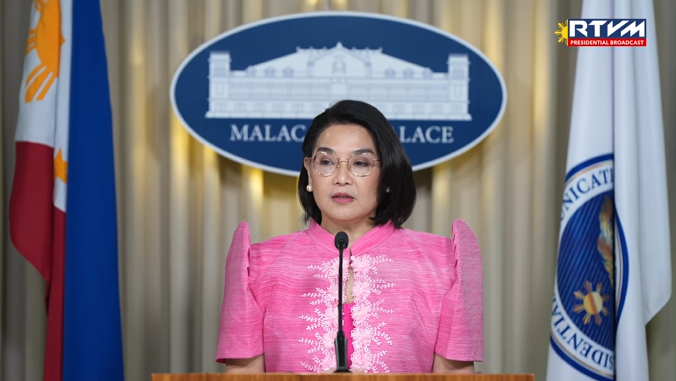
Palace Press Officer Undersecretary Claire Castro highlighted the government’s healthcare initiatives, emphasizing that improving medical services requires not only better facilities and accessible treatment but also greater protection and support for healthcare professionals.
Castro cited the administration’s programs, including zero balance billing, expanded PhilHealth coverage, YAKAP Centers offering free diagnostic services, and GAMOT pharmacies providing free medicines.
She stressed that these initiatives would not succeed without the dedication of doctors, nurses, and other medical frontliners who deliver essential healthcare services to Filipinos.
The Palace official also highlighted Marcos’ recognition of Filipino nurses during the Philippine Nurses Association’s (PNA) 104th founding anniversary and 69th Nurses Week celebration.
According to Castro, the President has received praise from foreign leaders for the professionalism, dedication, and competence of Filipino nurses working overseas.
She said the administration aims to improve nurses’ working conditions, strengthen their professional development, and ensure they receive adequate benefits and protection.
Among the government’s initiatives is the increase in funding for health emergency allowances for public and private healthcare workers.
Castro said the allocation rose from Php 6.8 billion in 2022 to Php 110.11 billion in 2026, reflecting the administration’s commitment to supporting medical frontliners.
The government is also working with the Commission on Higher Education (CHED) and Technical Education and Skills Development Authority (TESDA) to expand healthcare training opportunities through alternative pathways for aspiring nurses.
Through the Clinical Care Associates Program, nursing graduates who have yet to pass the licensure examination are being offered employment opportunities and review assistance to help them pursue their professional careers.
Castro also cited the lifting of the moratorium on new Bachelor of Science in Nursing programs in 2022, which paved the way for more higher education institutions to offer nursing courses.
The number of institutions offering nursing programs increased from 354 in July 2022 to 425 in June 2026, representing an additional 71 institutions.
The expansion is expected to provide more opportunities for Filipinos interested in entering the nursing profession while helping address the country’s demand for qualified healthcare workers.
Castro emphasized that protecting the welfare of medical frontliners is just as important as ensuring patients receive quality healthcare.
She said nurses and other healthcare workers deserve proper compensation, benefits, and professional opportunities in recognition of their demanding responsibilities.
Quoting Marcos, Castro reiterated the administration’s commitment to supporting the country’s nursing workforce.
“Patuloy po kaming magsisikap upang maibigay ang suporta, benepisyo at oportunidad na nararapat sa inyo,” she said.
The Palace official added that a healthier population and a stronger healthcare workforce would contribute to greater productivity and economic development.
The administration maintained that continued investment in healthcare workers remains essential to improving the country’s healthcare system and ensuring more Filipinos have access to quality medical services.