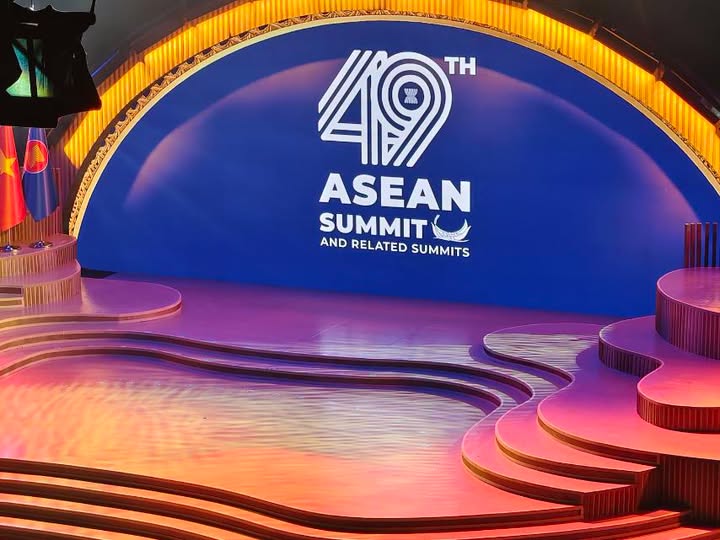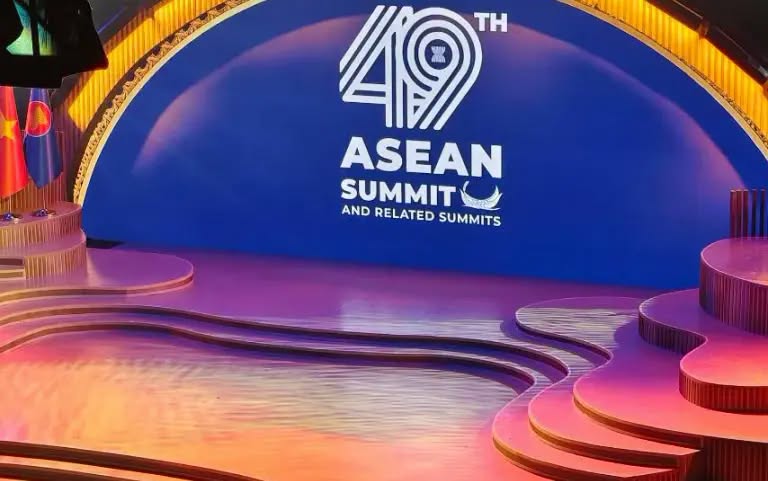

MANILA, Philippines — Manila has become the center of regional diplomacy as Southeast Asian leaders and key international figures gather for the 49th Association of Southeast Asian Nations (ASEAN) Summit and Related Summits, taking place from November 15 to 17, 2026.
The high-level gathering brings together heads of government, senior officials, and representatives of international organizations amid growing geopolitical tensions, economic uncertainties, and security challenges affecting Southeast Asia and the wider international community.
President Ferdinand Marcos Jr. is hosting the summit at the Philippine International Convention Center (PICC) in Pasay City, where participating leaders are expected to discuss regional stability, economic integration, trade, energy security, and sustainable development.
Foreign dignitaries have been arriving in the Philippines ahead of the three-day gathering, including Indonesian President Prabowo Subianto, Malaysian Prime Minister Anwar Ibrahim, Singaporean Prime Minister Lawrence Wong, and other ASEAN leaders and representatives.
Brazilian President Luiz Inácio Lula da Silva is also participating as a guest of the ASEAN chair, reflecting the regional bloc’s efforts to expand diplomatic and economic engagement beyond its traditional partners.
United Nations Secretary-General António Guterres and International Monetary Fund Managing Director Kristalina Georgieva are among the prominent international figures attending the gathering.
The summit comes as ASEAN countries confront challenges arising from geopolitical competition, disruptions to global trade, volatile energy markets, and the need to strengthen regional supply chains.
Economic cooperation is expected to feature prominently in discussions, particularly efforts to attract investments, expand market access, accelerate digital transformation, and improve food and energy security.
The Philippines has emphasized the importance of translating regional commitments into concrete economic opportunities, including employment, affordable food, reliable electricity, and greater support for small businesses.
Security issues, including maritime stability and cooperation in addressing transnational threats, are also expected to form part of the broader regional agenda.
Ahead of the summit, Philippine authorities implemented heightened security measures, traffic restrictions, and adjustments to airport operations to accommodate the arrival and movement of foreign delegations.
The gathering also provides the Philippines an opportunity to strengthen bilateral relations with participating countries through separate meetings and diplomatic engagements.
As ASEAN leaders begin their discussions, attention will turn to the agreements, commitments, and joint initiatives that emerge from the summit and their potential impact on the region’s economic and security landscape.
The three-day event underscores ASEAN’s continuing role as a platform for dialogue and cooperation at a time of increasing uncertainty in international affairs.